
Last updated November 15, 2026
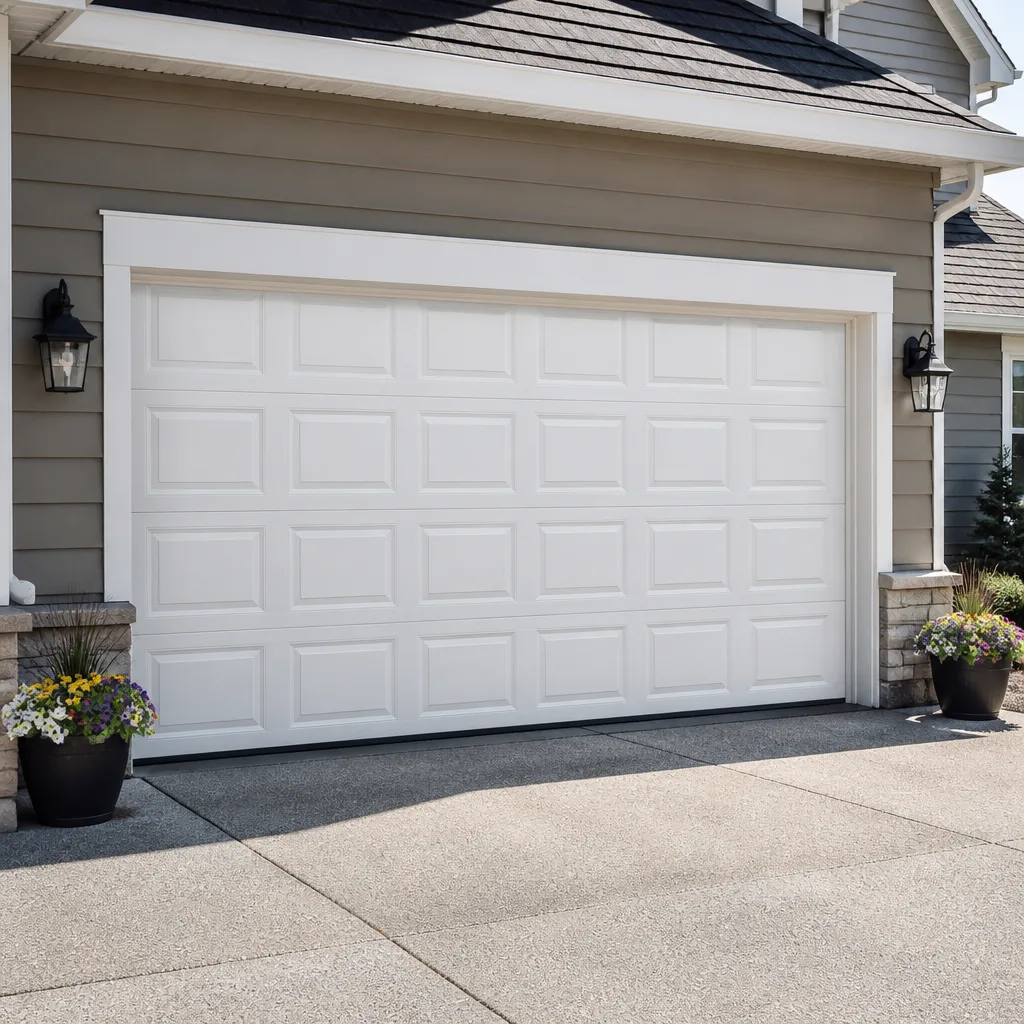 Raised-panel steel
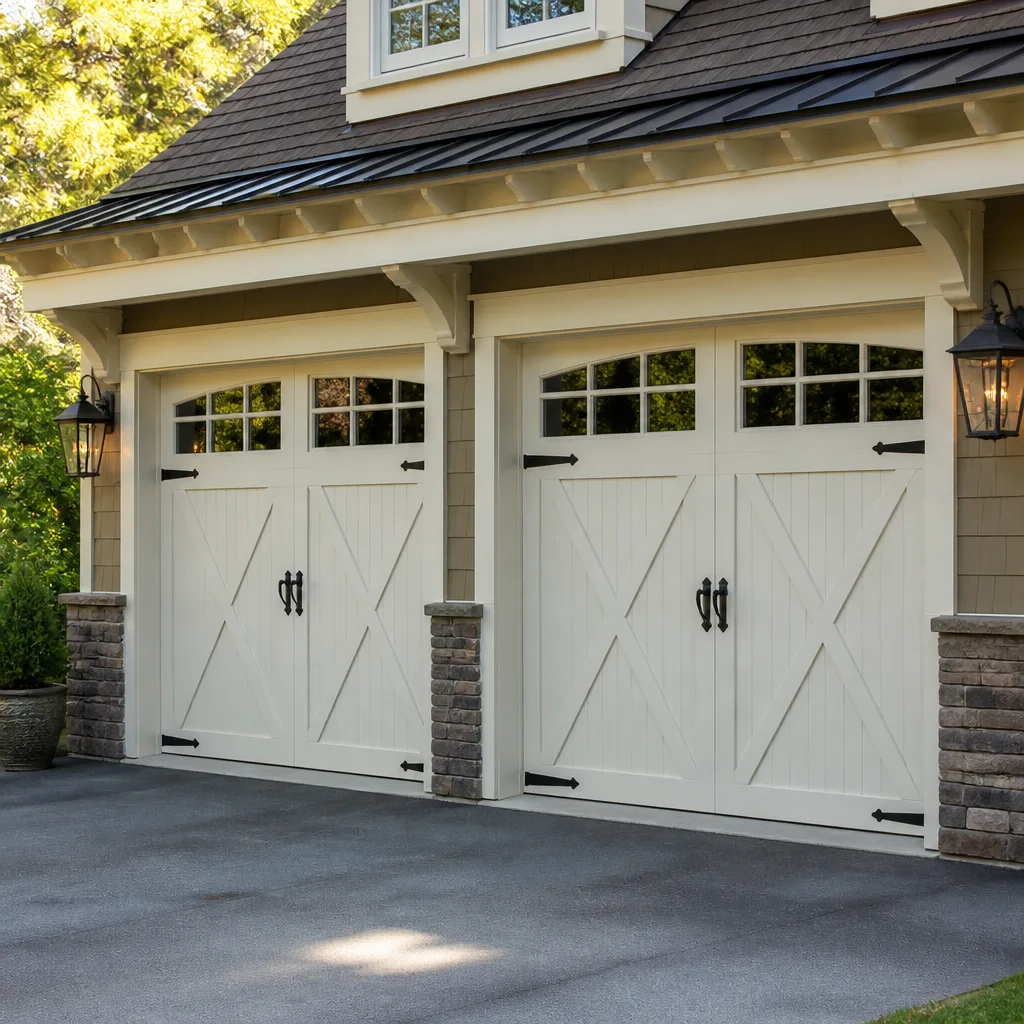 Carriage house
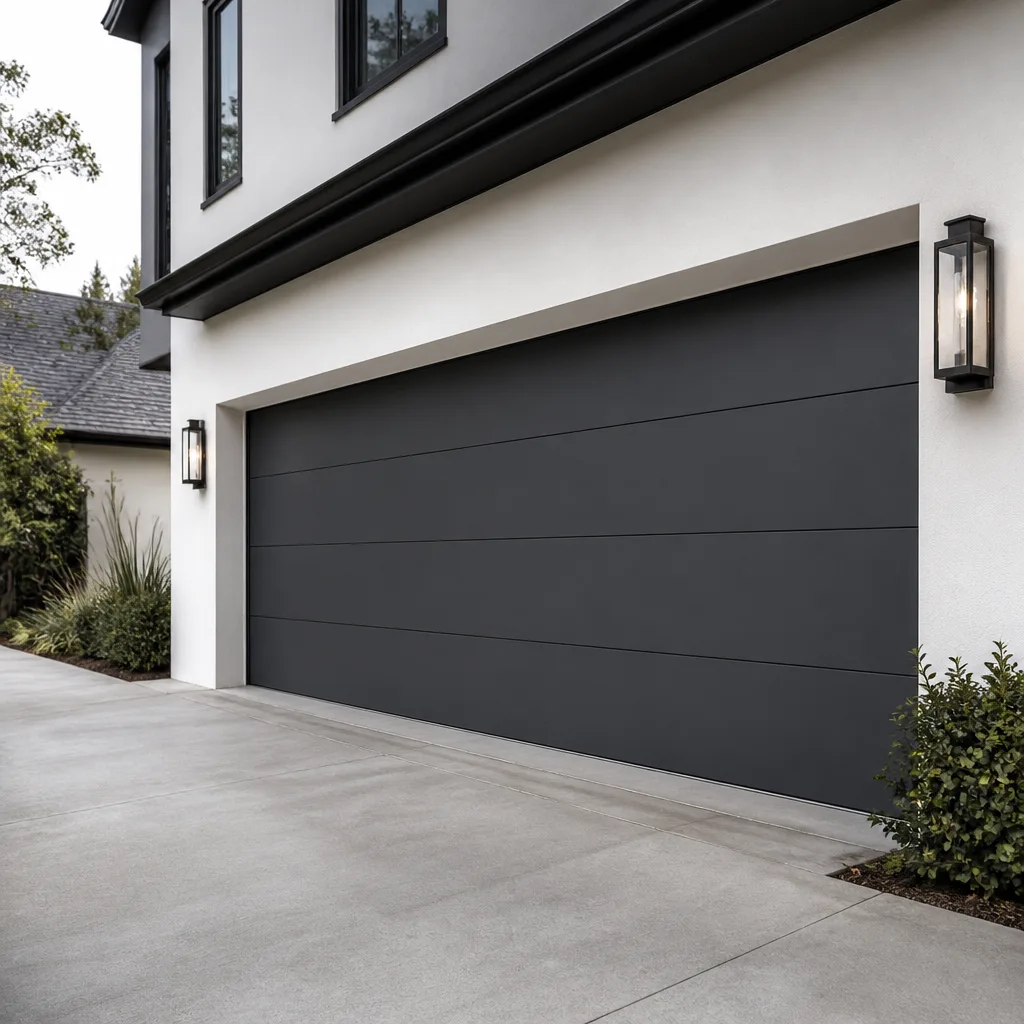 Modern flush
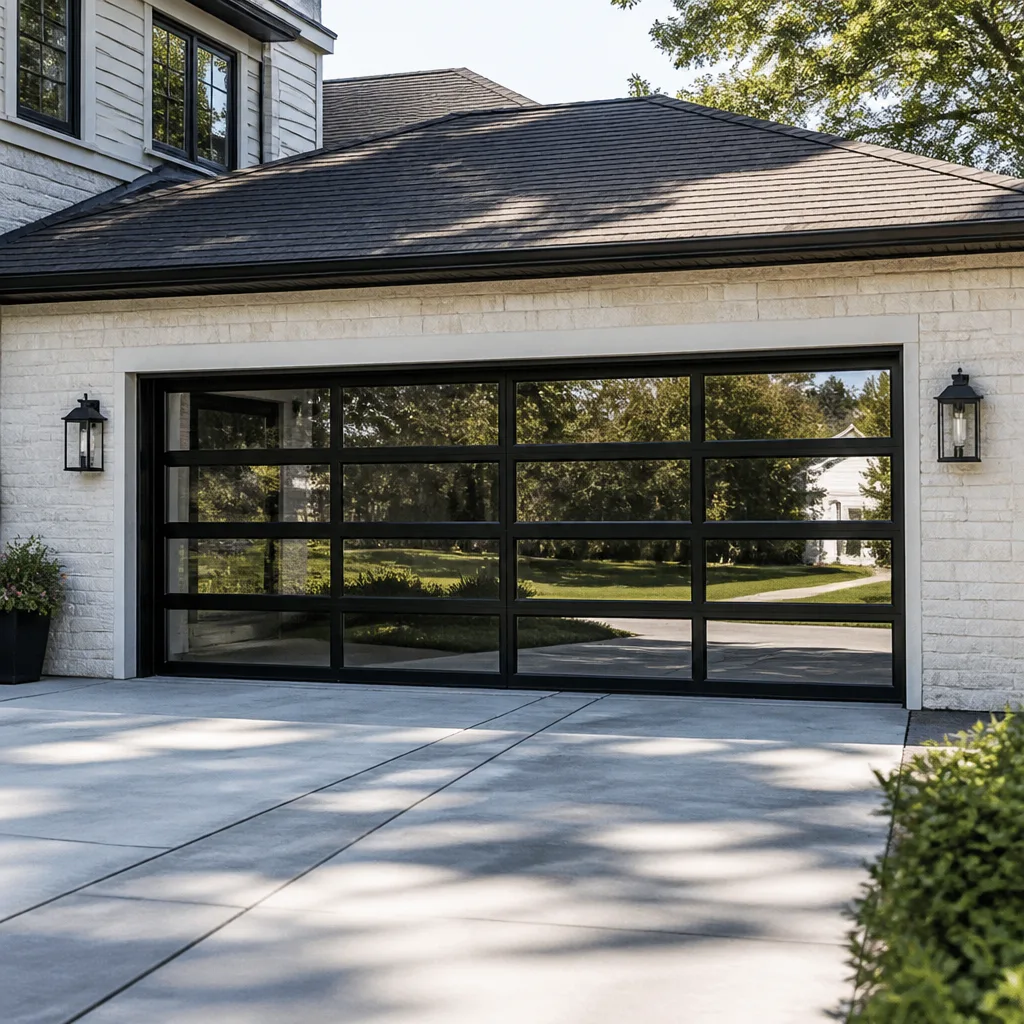 Full-view glass
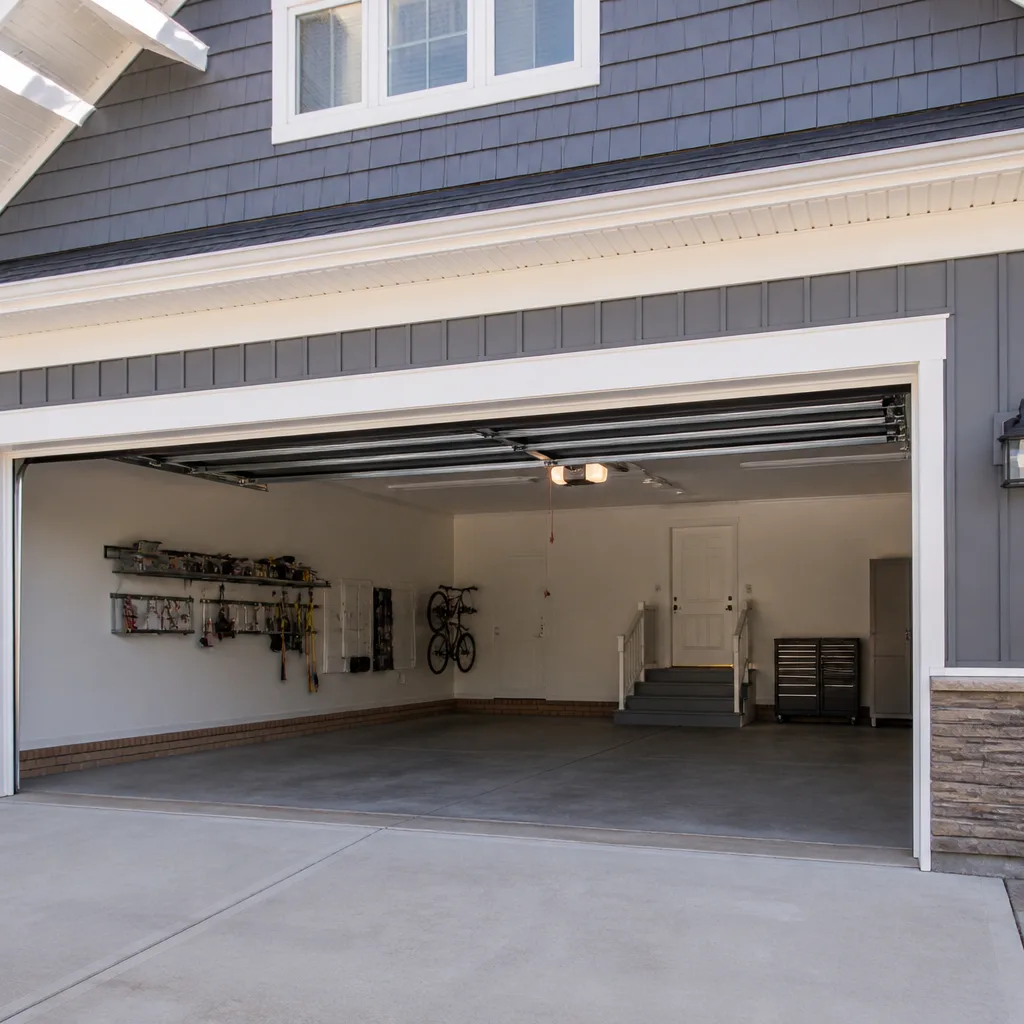 LiftMaster openers
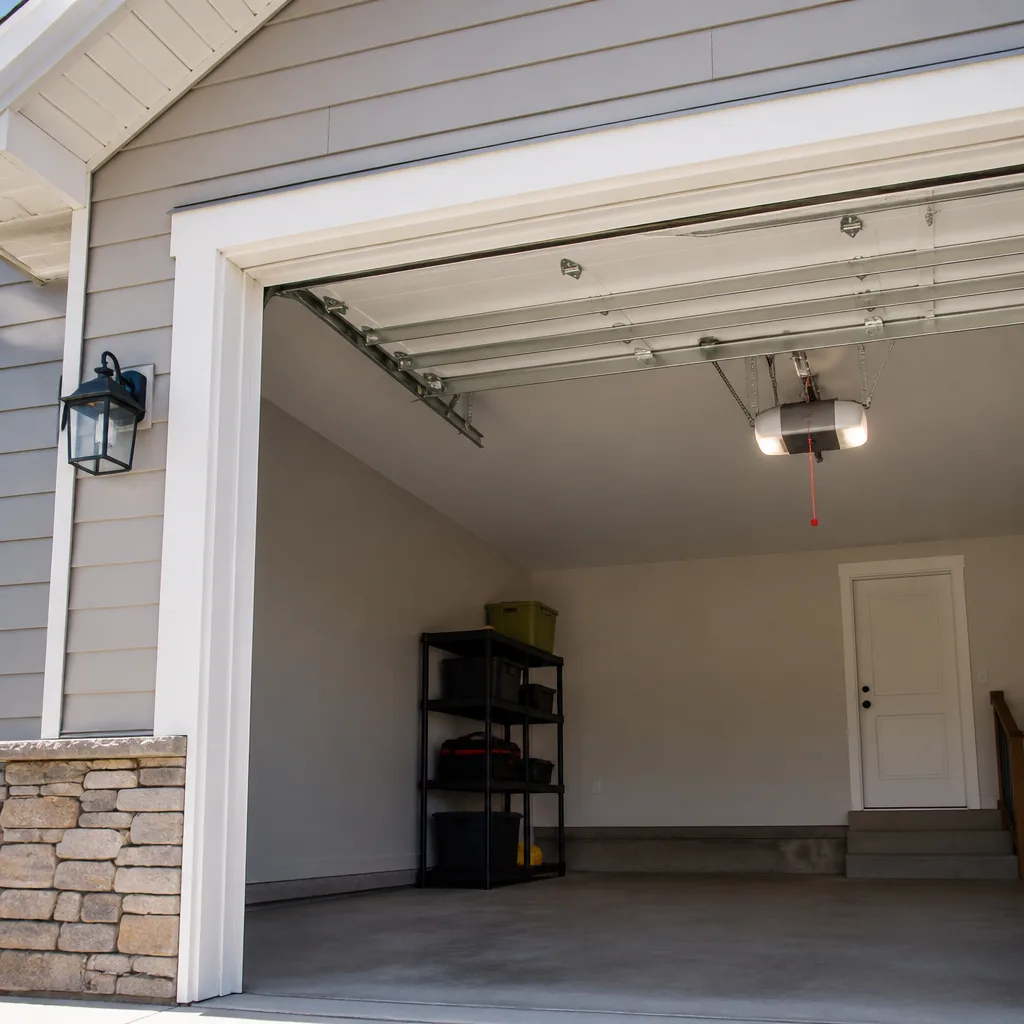 Chamberlain openers
Full 25-point door and opener safety check with every visit - springs, cables, rollers, tracks, and your LiftMaster or Chamberlain opener included
You get a price before we start. It does not change when the pro arrives.
Get your free estimateSeasonal Garage Door Care for Paterson: Year-Round Homeowner’s Guide
Most garage door advice treats the year as one long stretch of identical weather, then hands you the same checklist in April that it hands a homeowner in Arizona. That approach falls apart in Paterson, where a door might fight through a hard freeze in January, a run of freeze-thaw cycles in March, and a stretch of humid summer heat on a south-facing wall by July. The tasks that protect your door in February are not the ones that matter in August, and the parts that fail in winter are usually the ones that quietly wore down in fall. This guide walks through the four seasons as they actually hit Paterson homes, with a month-by-month calendar built for this climate. You’ll learn what to check, when to check it, and when to stop and call a professional.
Quick Answer
Seasonal garage door care in Paterson means matching your maintenance to the season: test and replace weatherstripping in October before the first freeze, switch to a cold-rated lubricant before temperatures drop, inspect cables and tracks after freeze-thaw cycling in spring, and watch for thermal expansion and sun damage on steel doors through summer. A single annual tune-up misses the specific failures each season causes, so the work is best spread across the year.
Styles & brands we work with
- Raised-panel steel
- Carriage house
- Modern flush
- Full-view glass
- LiftMaster openers
- Chamberlain openers
Table of Contents
- Why Seasonal Care Matters More in Paterson Than a Single Annual Checkup
- Fall: The Prep Window That Decides Your Winter
- Winter Operation: Cold, Lubricants, and Opener Strain
- Spring Recovery: What Freeze-Thaw Cycling Leaves Behind
- Summer: Heat, Thermal Expansion, and Sun Exposure
- A Month-by-Month Task Calendar for Paterson’s Climate
- Common Mistakes to Avoid
- When to Call a Professional
Why Seasonal Care Matters More in Paterson Than a Single Annual Checkup
Garage door springs fail at disproportionately high rates in the coldest weeks of the year, and cold alone doesn’t explain it. The real cause is fatigue that builds up earlier: the repeated expansion and contraction of fall’s temperature swings, the metal cycling warm and cold day after day, and then the first hard freeze arriving on a spring that’s already been worked hard for months. By the time most homeowners think about winter prep, the wear is already there. The spring doesn’t break because January is cold. It breaks because October, November, and December quietly used up its margin.
That pattern is the reason a single annual checklist misses so much. Seasonal care works because it puts the right task in front of the right failure. A bottom seal that’s starting to harden in October is easy to spot and cheap to replace. The same seal in January is locked into the gap by ice, holding grit against the threshold all winter, and by spring the damage has spread to the frame.
Paterson adds a few local layers to that. The city’s housing stock includes a lot of older garages sitting on concrete slabs that have seen decades of frost heave and settling, and those slabs shift more than a newer pour. Homes on sloped streets and near the river corridor deal with more standing moisture after a thaw, which finds its way into tracks and bottom brackets. We work on Lancaster Garage Door Service calls across Paterson every month of the year, and the same seasonal timing shows up again and again: fall prep prevents winter failures, spring inspection catches freeze damage, and summer is when sun and heat do their slow work on seals and steel.
What follows is organized season by season, so you can read the section that fits the calendar now and come back to the others when they apply.
Fall: The Prep Window That Decides Your Winter
October is the right month to test weatherstripping, and the reason is simple: you want to find a failing bottom seal before the first freeze, while the fix is still quick. Once temperatures drop and stay there, a degraded seal becomes a trap. The gap between the door and the floor collects grit, snowmelt, and road spray, and the ice that forms in that gap bonds to the rubber. Every time the door opens, it drags a little more material away.
Testing the bottom seal takes a few minutes. Here’s how to check it:
- Close the door and look along the bottom edge from inside the garage. Daylight showing through means the seal is no longer making contact.
- Slide a piece of paper under the closed door at several points along its width. If it slides out with no resistance, air and water are getting in there too.
- Run your hand along the rubber. It should feel flexible and spring back. If it feels brittle, cracked, or hard as plastic, it’s near the end of its life.
- Check the sides and top for the same problems. Side seals that have pulled away from the frame let in wind-driven rain.
While you’re out there, do a lubricant check. If your door hardware was last greased in spring, most of that has migrated away by fall. A dry hinge or roller is a hinge or roller that will start to bind when the cold hits. Weatherstripping and lubrication together are the two fall tasks that most directly determine how your door handles the first hard freeze.
Winter Operation: Cold, Lubricants, and Opener Strain
Most garage door lubricants thicken noticeably below about 20 degrees Fahrenheit, and that’s the point where the opener starts working against its own hardware. The grease on the torsion bar, the hinges, and the rollers turns heavier, the rollers drag, and the opener has to push harder to move the same door. That extra strain lands on the drive system, which is why an opener that ran quietly all fall suddenly sounds labored in January.
The fix is a cold-rated lubricant applied before the cold settles in. A lithium grease or a cold-weather silicone spray on hinges, rollers, and the torsion bar keeps things moving when the temperature drops. A few things to know:
- Apply cold-weather lubricant in late fall, not mid-winter. Once the hardware is cold and stiff, the grease doesn’t penetrate as well.
- Keep the door tracks clean of ice and grit. A stiff brush and a dry cloth work better than a pressure washer, which drives moisture into places it shouldn’t go.
- Listen to your opener. If opening and closing sounds harsh, grinding, or slower than usual, that’s drive strain, and it’s worth having a technician look at the opener before it fails outright.
- Test the safety reverse. With the door on the floor, place a roll of paper towels under the door and hit the close button. The door should reverse on contact.
If your opener is a LiftMaster or Chamberlain system, the drive system has specific diagnostic features and strain points that a technician trained on that platform will recognize quickly. A Genie or a Raynor opener from an older installation is a different machine entirely, and the maintenance approach isn’t identical. That’s why brand-specific diagnostics matter in winter, when the cost of guessing wrong is a drive system that fails in the cold.
Spring Recovery: What Freeze-Thaw Cycling Leaves Behind
Freeze-thaw cycling is what does the quiet damage in Paterson, and spring is when you discover what it left behind. Water gets into a gap, freezes, expands, thaws, and repeats. Over a winter, that cycle works on the places where your door and the structure meet.
Three areas specifically deserve a look in spring:
- Cable drum wear. The cable drums at the top of the door carry the vertical force of the whole door. Freeze-thaw movement in the frame and vibration from repeated operation can shift a drum slightly off alignment. When the cable wraps unevenly, the drum wears faster. Look for cables that aren’t spooling evenly and drums with visible scoring.
- Bottom bracket movement. The bottom bracket anchors the cable at the base of the door. If the cable has shifted in the bracket or the bracket itself has moved on the door edge, the cables are running at a slightly wrong angle. This one is easy to miss and hard to check safely without the door in the right position.
- Track alignment shifts. Frost heave moves old concrete slabs. When the slab the floor track is anchored to shifts even a small amount, the track can move out of plumb, and the door starts to bind. You’ll hear it before you see it: a door that’s harder to open than it was in the fall, or one that rattles as it runs.
Spring is also when to have a technician inspect the spring system and cables under tension. That work isn’t something to do yourself. Springs and cables store serious energy, and a mistake during adjustment can cause severe injury. Have a trained professional check them while you handle the parts you can safely inspect yourself.
Summer: Heat, Thermal Expansion, and Sun Exposure
Summer in Paterson brings a different set of stresses, and a lot of them land on steel doors facing south. Steel expands as it heats. On a south-facing wall that gets direct sun through the middle of the day, the door face can get hot enough that the panel expands against its frame, and that finds its way into how the door sits in the tracks. Doors that ran perfectly in April can start to feel tight or drag slightly in July. That’s thermal expansion, and it’s usually a slow, gradual problem rather than a sudden one.
The other summer task is weatherstripping. Direct sun exposure degrades rubber much faster than it degrades in shade, so side seals and the bottom seal on a south-facing door will break down before those on a north-facing door. The heat makes the rubber soft during the day and it hardens again overnight, and that daily flex-and-set cycle takes a toll. A seal that looked fine in October can be cracked and brittle by August.
Summer maintenance in Paterson looks like this:
- Check the door’s balance in the cool part of the morning or evening, not the middle of the day. A door that’s out of balance will always feel harder to move, but heat can temporarily mask or exaggerate the problem.
- Inspect the weatherstripping for cracking. Look for sun-bleached spots on side seals where the sun hits hardest.
- Test the opener’s force setting. As temperatures rise, the door may run more freely, but the opener may also be compensating for changes that shouldn’t be happening.
- Clean the tracks and check for debris. Summer pollen and grit collect in the tracks, and a clean track prevents binding as the door heats up.
A Month-by-Month Task Calendar for Paterson’s Climate
A generic national template gets the timing wrong for Paterson. The freeze here arrives earlier than the national average would suggest, and the thaw runs longer. Here’s a calendar built for this climate:
- September. Test the bottom seal and side seals while the weather is still mild. Replace anything that’s brittle. Lubricate hinges, rollers, and the torsion bar with a cold-rated product.
- October. The last month to replace a failing seal before the freeze. Clean tracks completely and test the opener’s safety reverse. If the opener is older or sounds strained, have it checked before winter.
- November. Do a cold-weather lubrication pass. Listen for any new sounds from the door or opener. If you hear grinding or a slow start, address it before the first hard freeze.
- December through February. Keep tracks clear of ice and grit. Don’t force a frozen door open. If the door is stuck, don’t run the opener repeatedly against a frozen floor, since that strains the drive. Watch for opener strain sounds and call if they appear.
- March. Spring recovery inspection. Check cable drums, bottom bracket, and track alignment for freeze-thaw damage. Operate the door by hand and check its balance.
- April and May. Full spring maintenance. Lubricate dry hardware, clean tracks, test the safety reverse, and reset or check the opener’s force settings.
- June and July. Check sun-exposed seals on south-facing doors for cracking. Clean tracks. Run a balance test in cooler hours.
- August. Prep for fall. Look at the weatherstripping for summer sun damage. If you find a problem, schedule the fix before the fall window closes.
The calendar is a guide, not a lock. If your door has been in service for many years or has been repaired before, check more often. Homeowners in newer construction often get away with less frequent checks, while older homes with decades of slab settling need to be looked at more carefully.
Common Mistakes to Avoid
- Skipping the fall seal check. Waiting until after the first freeze to deal with a failing bottom seal means you’re working against ice in the gap. Do it in October.
- Using the wrong lubricant in cold weather. A general-purpose grease that works fine in July can thicken below 20 degrees and put real strain on the opener. Use a cold-rated product before winter.
- Forcing a frozen door open. Running the opener against ice on the floor or ice in the tracks can damage the drive system and the springs. Free it first, or call a professional.
- Adjusting springs or cables yourself. These are under heavy tension, and a mistake can cause serious injury. Leave them to a trained technician.
- Ignoring track shifts after spring thaw. A track that’s moved out of plumb will keep binding long after the thaw, and the door will wear faster because of it.
- Assuming a south-facing door needs the same schedule as one in shade. Sun-exposed seals and steel panels break down faster. Check them more often in summer.
- Treating an annual tune-up as enough. One visit a year doesn’t catch the seasonal failures. The spring that will break next January needs to be looked at in the fall, not the following spring.
When to Call a Professional
Some seasonal issues need a trained eye. Call a professional if you find a broken spring, a cable that’s come off a drum or looks frayed, a track that’s clearly out of alignment after the thaw, a door that won’t balance when operated by hand, or an opener that’s making grinding or harsh sounds that didn’t exist last month. If the door is visibly lopsided or the bottom seal has pulled completely away from the door edge, that’s also a call. And if a door has failed in the cold, don’t keep pressing the opener against it; that turns one repair into two.
For routine repair work, our garage door repair service handles springs, cables, tracks, and panels. If the door is running fine but the opener is struggling, we treat garage door opener repair as its own specialty, so the drive system gets the attention it needs rather than a quick fix bolted onto general repair. Lancaster Garage Door Service offers free estimates in Paterson, and the written estimate sets the price before any work begins. Call (844) 902-2470. We answer 24/7.
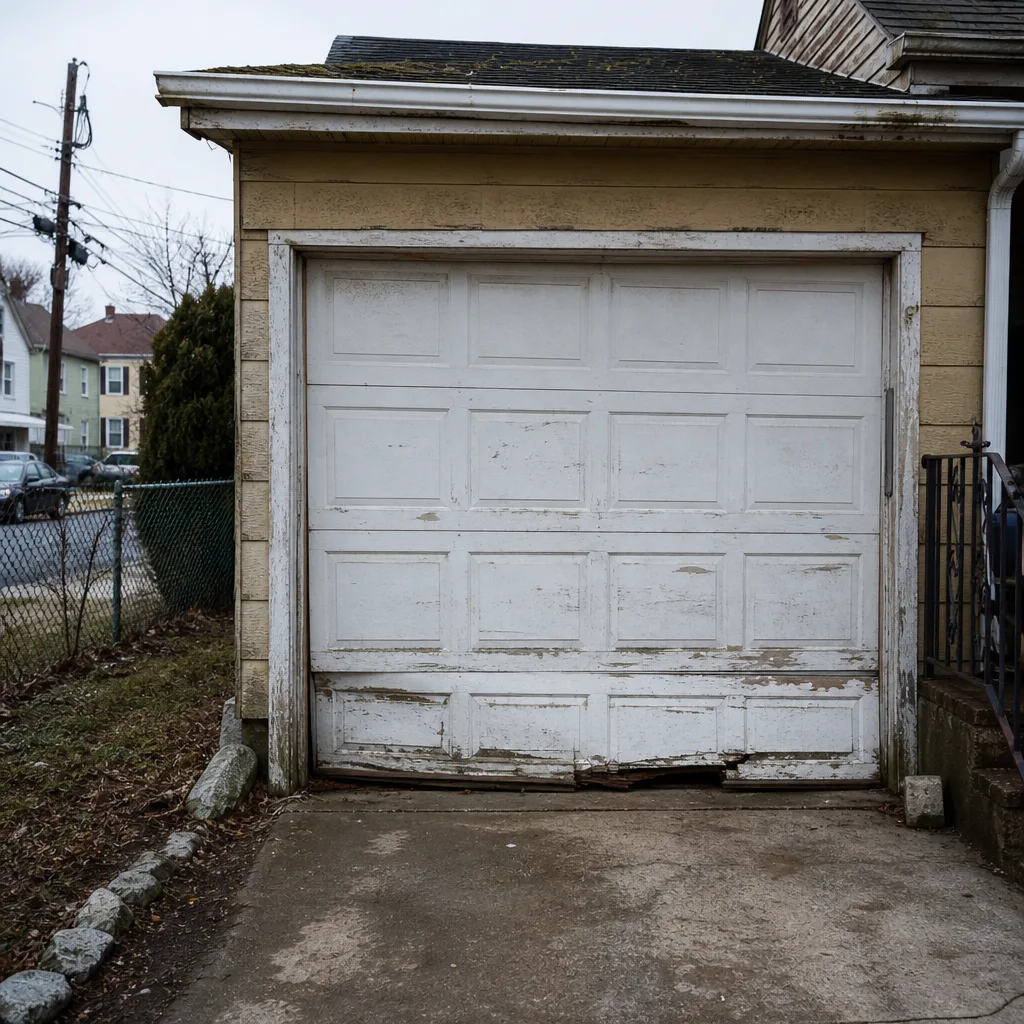
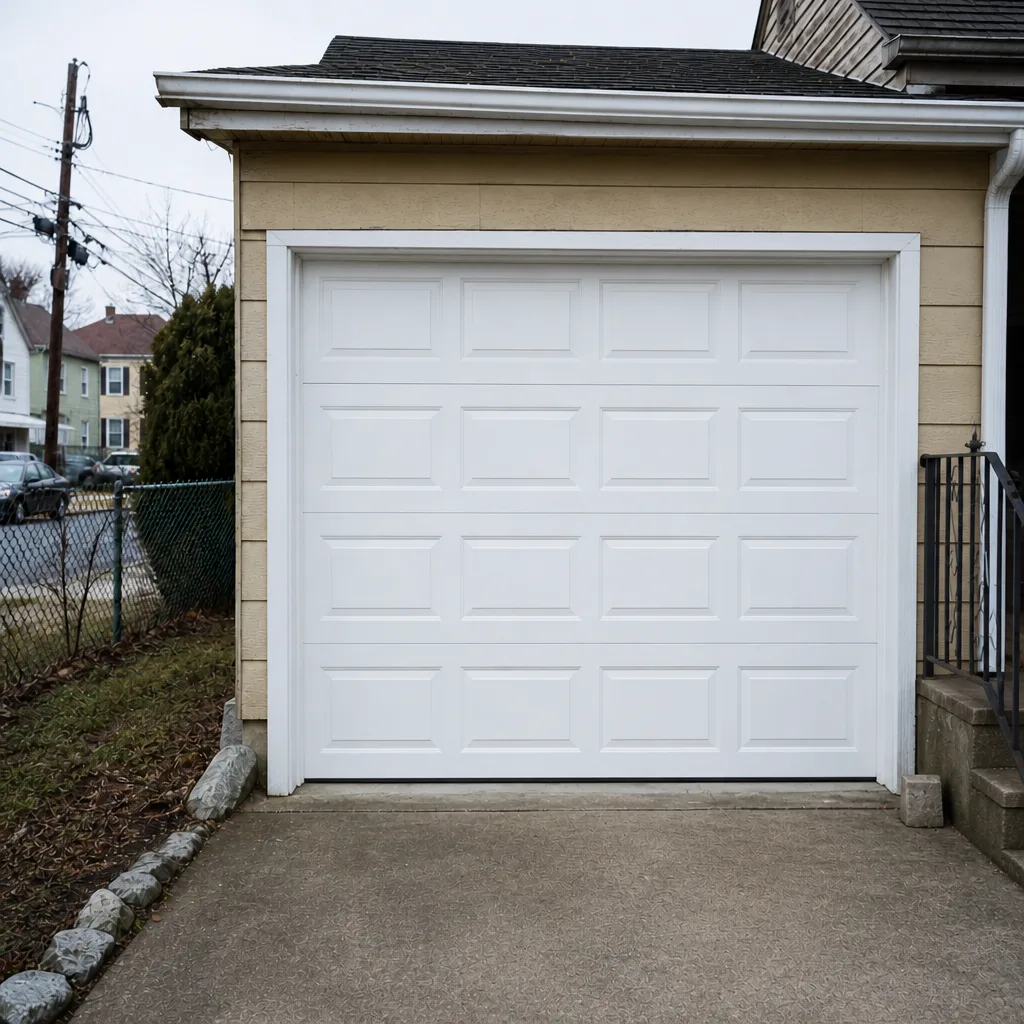
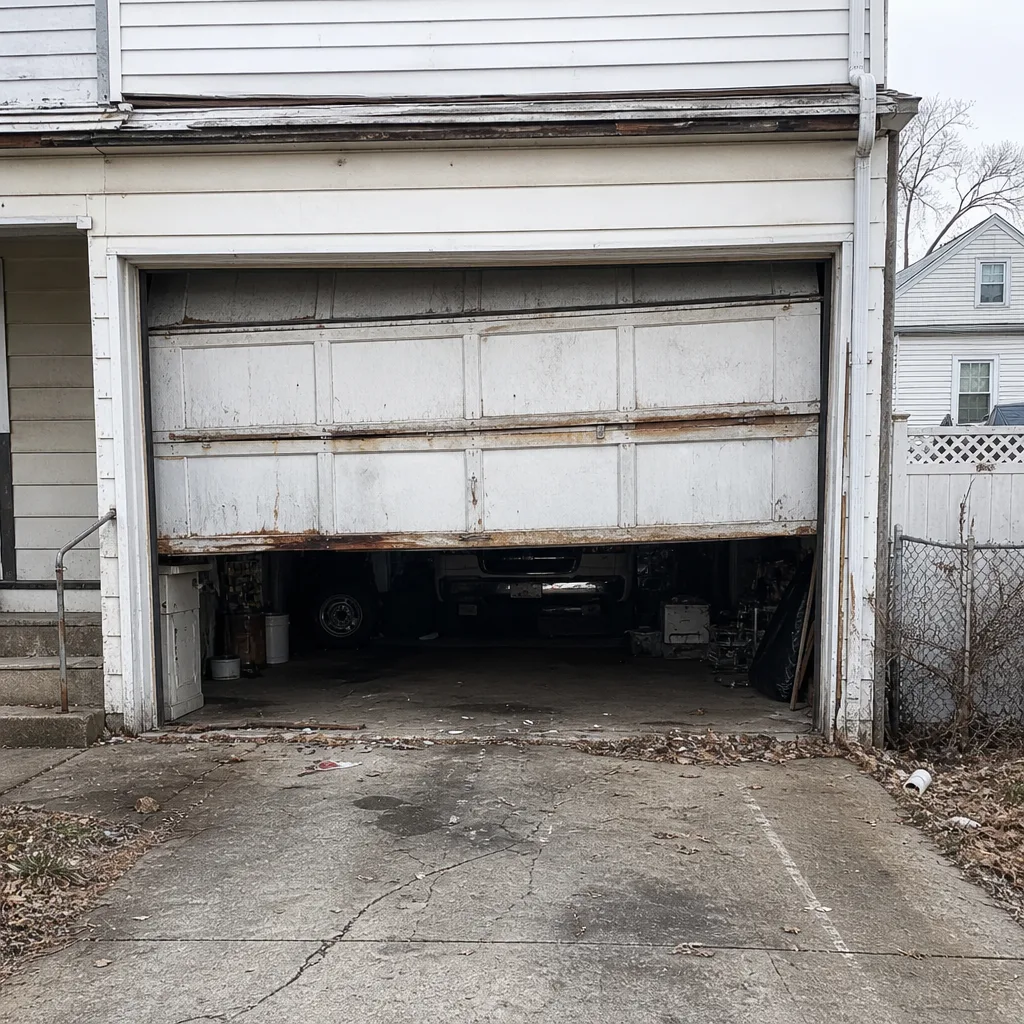
See the difference
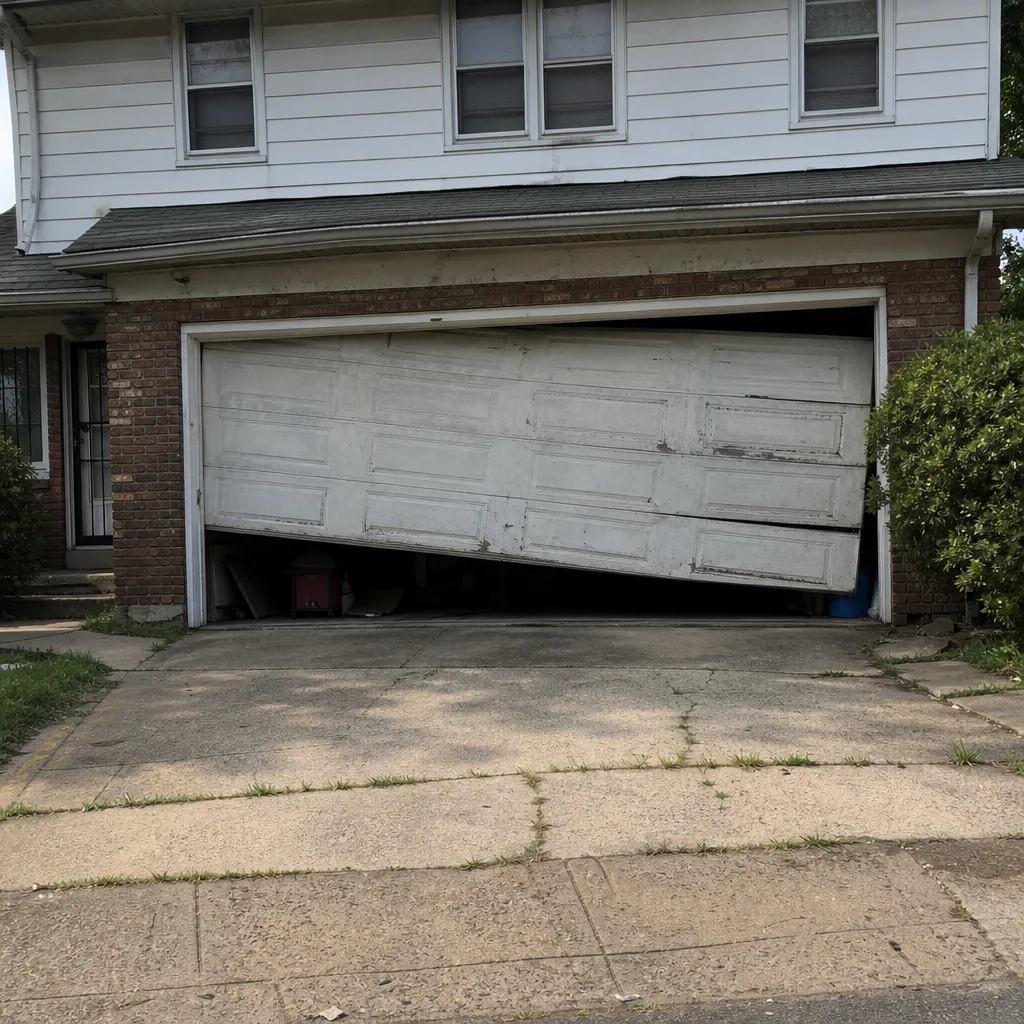 Before
 After
 Before
 After
 Before
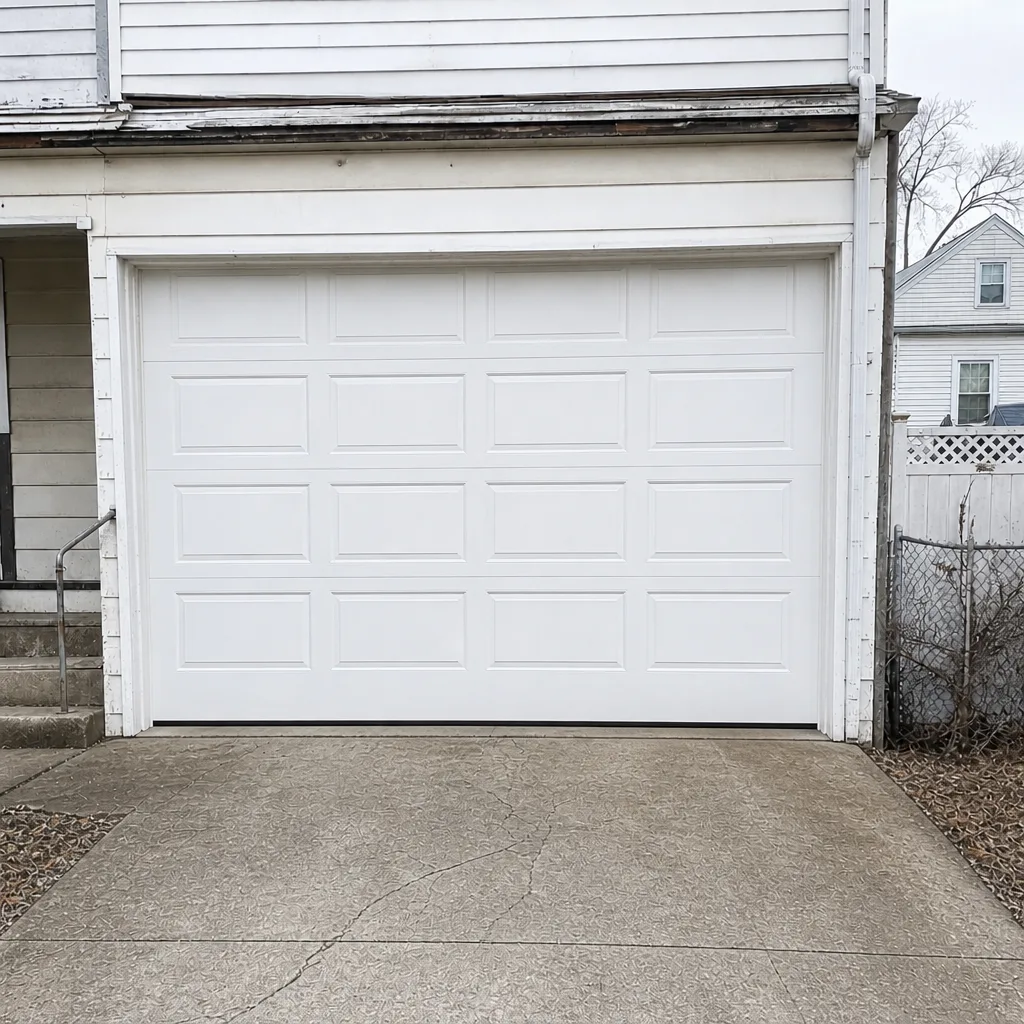 After
Frequently Asked Questions
The most important task is testing and replacing the bottom seal in October, before the first freeze. A failing seal that’s caught in autumn is a quick fix; the same seal in January holds ice and grit against the door all winter and does much more damage by spring.
Springs fail more in winter because the wear accumulated through fall’s temperature swings and the first hard freeze is already there when the cold arrives. The cold itself isn’t the whole cause; it’s the fatigue built up over the preceding months. A spring inspected in fall is a spring you can plan around; one that’s ignored is one that tends to break at the worst possible time.
Most general-purpose lubricants start to thicken noticeably below about 20 degrees Fahrenheit. That’s why a cold-rated lithium grease or silicone spray applied in late fall matters: it keeps hinges, rollers, and the torsion bar moving when the temperature drops and the opener is doing more work.
Check the bottom seal from inside the garage with the door closed: daylight showing through, a piece of paper that slides out easily, or rubber that feels brittle instead of springy all point to a seal that needs replacing. Side seals are worth checking the same way, especially if they’ve been in direct sun.
Focus on the cable drums, the bottom bracket, and the track alignment. Freeze-thaw cycling shifts old concrete slabs and can move tracks out of plumb, and that shows up as a door that’s harder to open than it was in the fall. Spring is the time to catch those shifts before they cause accelerated wear.
Yes. A south-facing door gets direct sun through the middle of the day, and that degrades rubber seals faster and causes more thermal expansion on steel panels. Check the weatherstripping on those doors more often in summer and watch for any dragging or binding that shows up once the heat sets in.
The Bottom Line
Garage door care in Paterson works when it follows the seasons instead of running on a single annual checklist. The seal you check in October decides how your winter goes. The lubricant you apply in fall decides how much strain your opener takes on in January. The inspection you do in March catches freeze-thaw damage before it spreads, and the attention you give a sun-exposed door in summer keeps its seals from breaking down early. Spread the work across the year, leave the springs and cables to a trained technician, and the day-to-day operation of the door stays predictable. If something looks off, one call covers it. Call (844) 902-2470. We answer 24/7. Fast dispatch from 7am to 7pm, Sunday through Friday.
Written by the team at Lancaster Garage Door Service.