
Last updated November 15, 2026
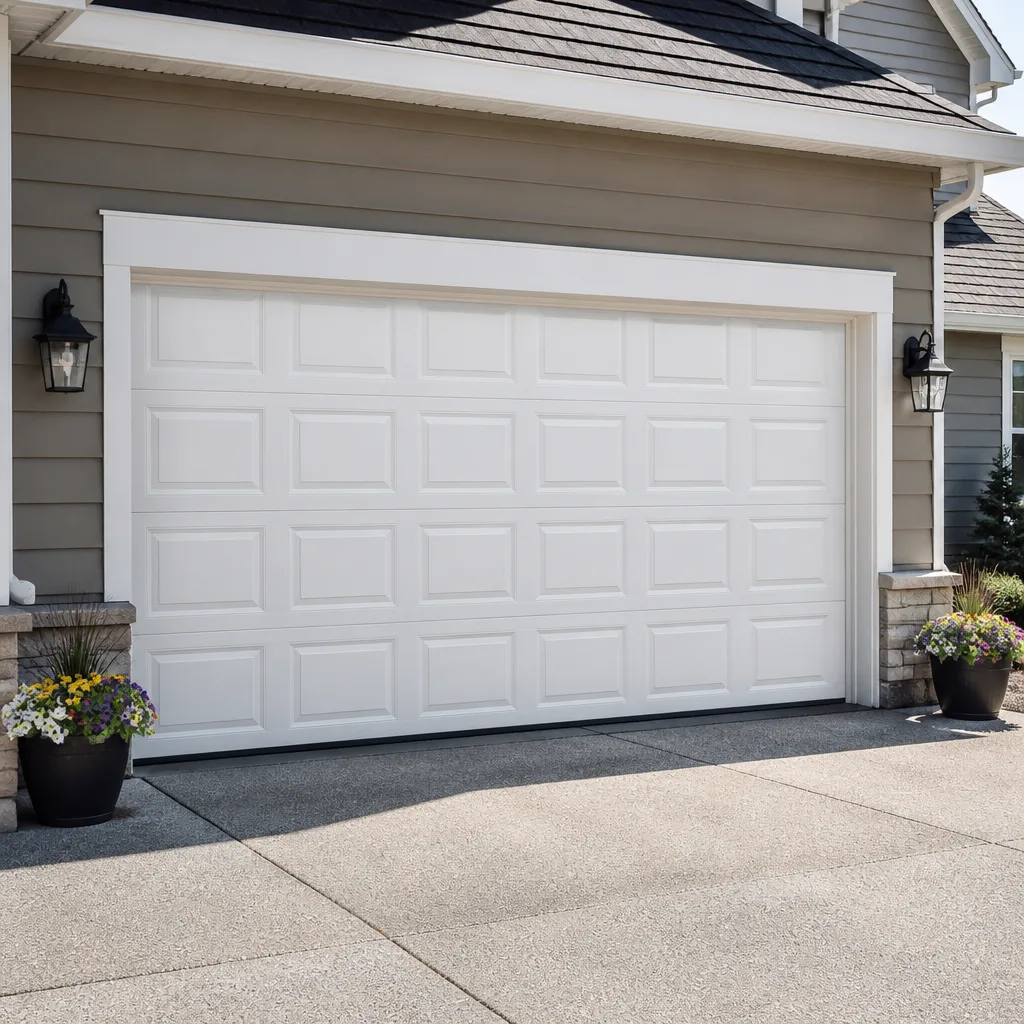 Raised-panel steel
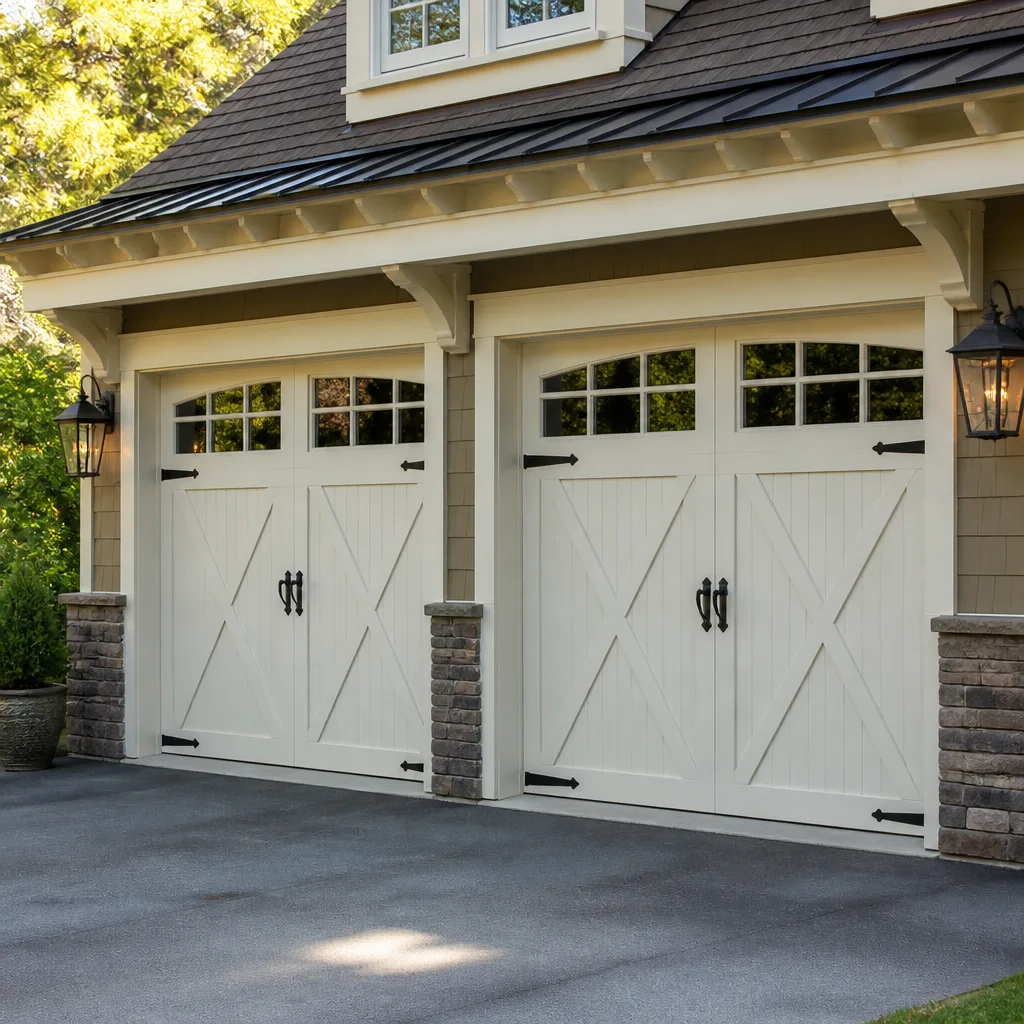 Carriage house
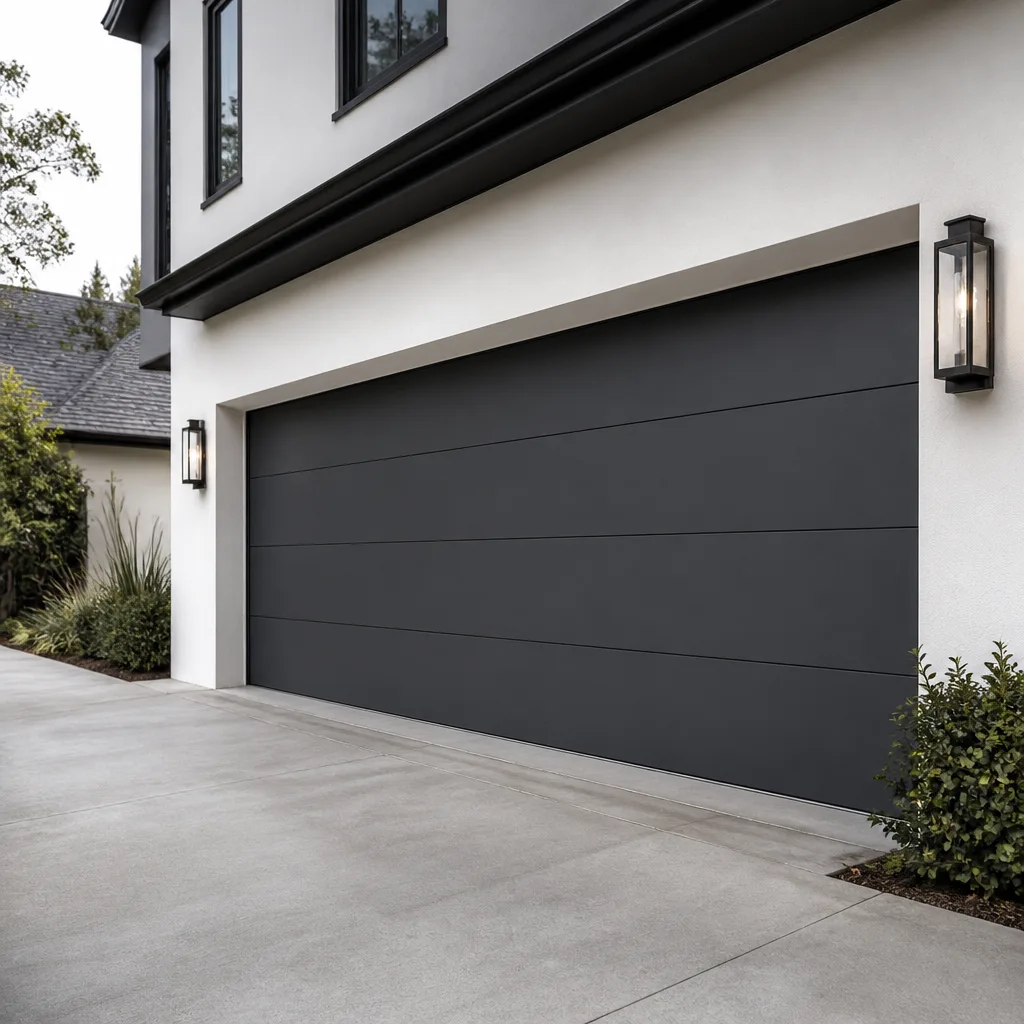 Modern flush
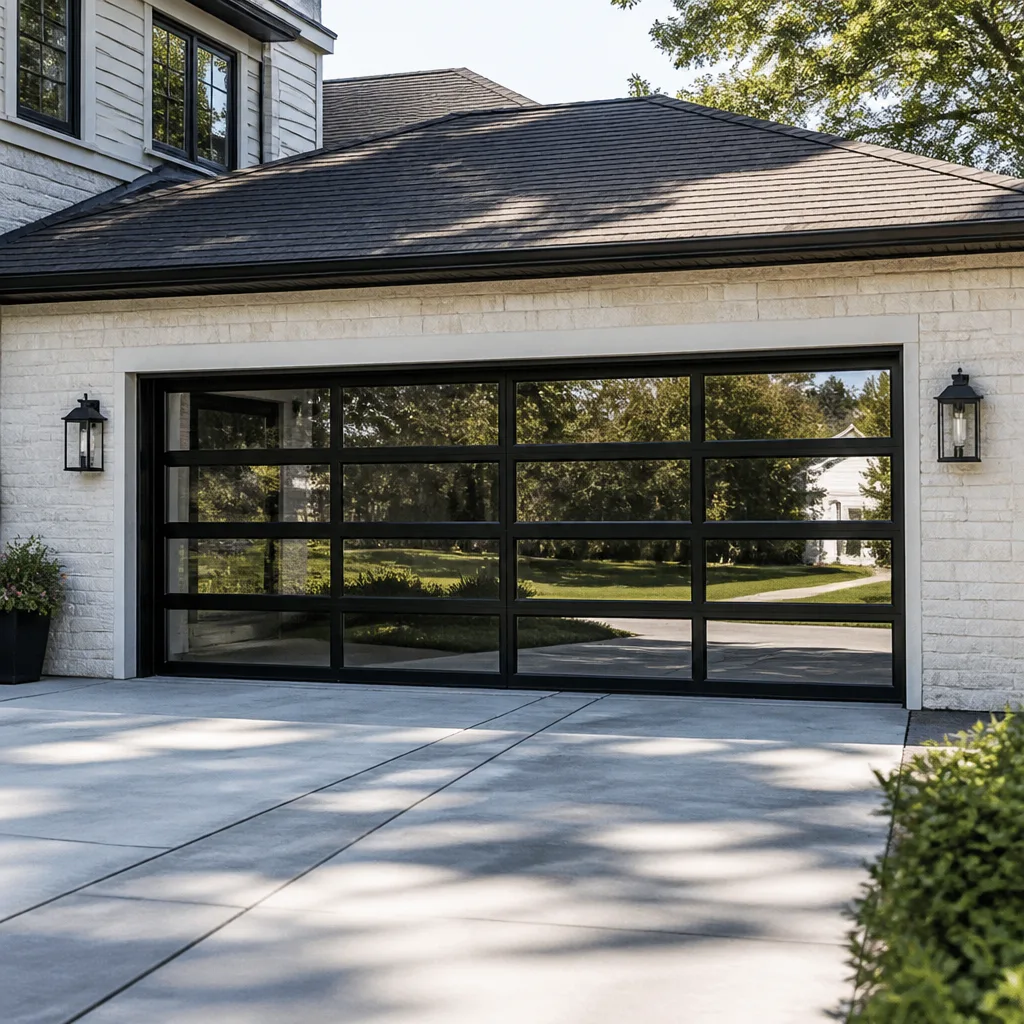 Full-view glass
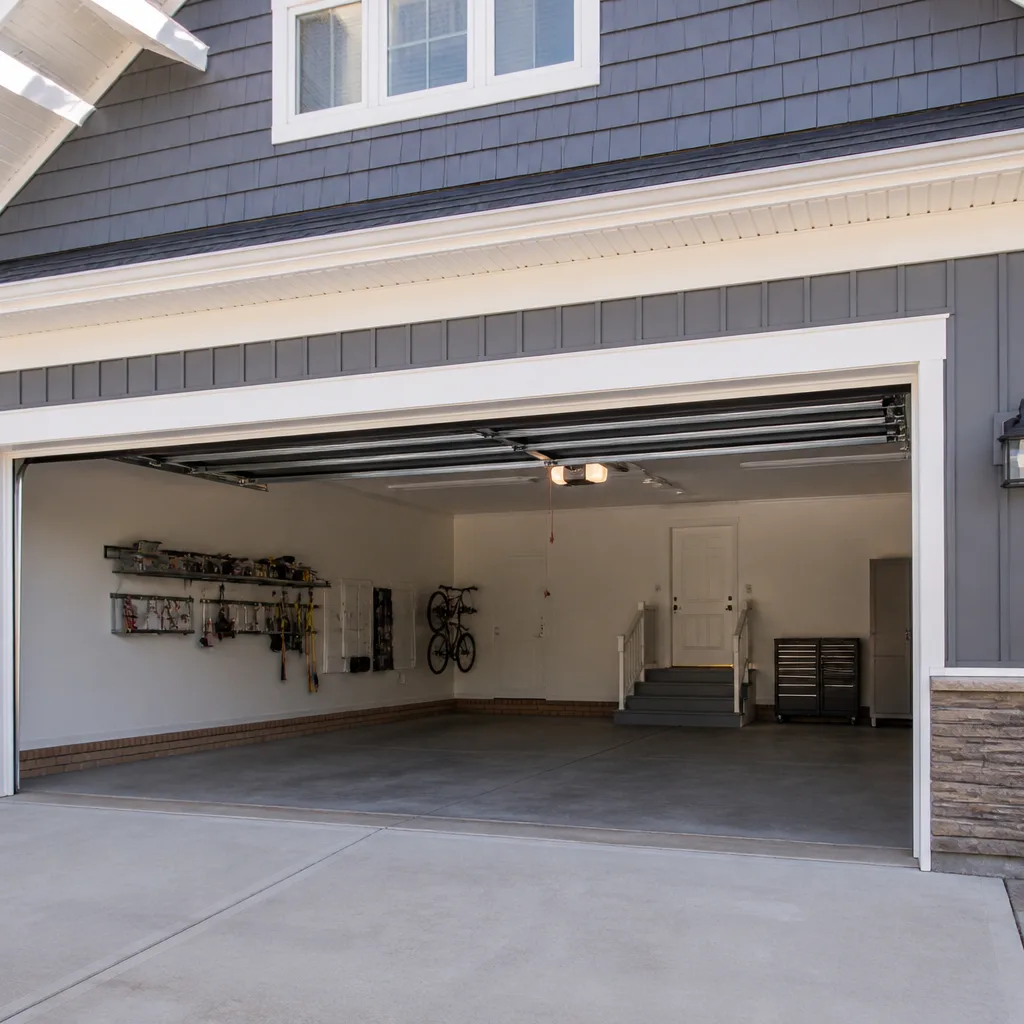 LiftMaster openers
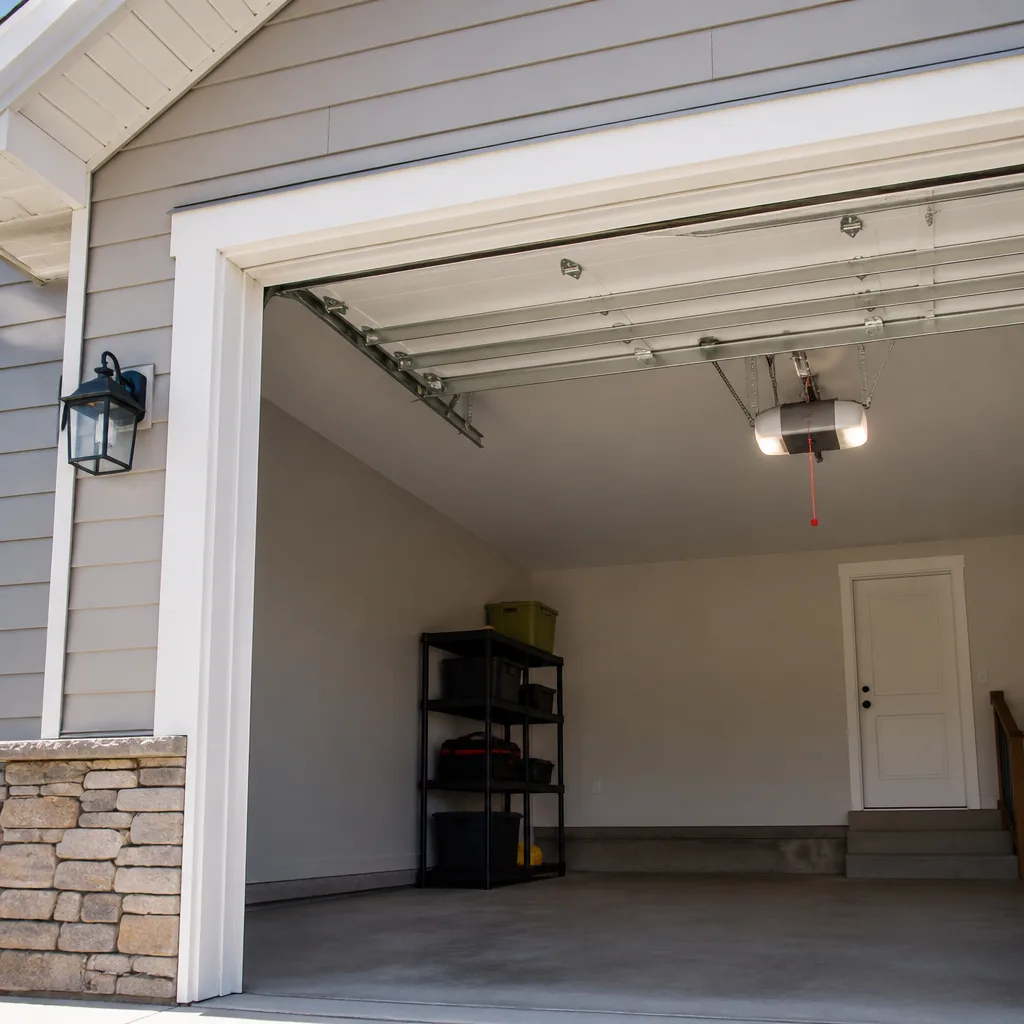 Chamberlain openers
Full 25-point door and opener safety check with every visit - springs, cables, rollers, tracks, and your LiftMaster or Chamberlain opener included
You get a price before we start. It does not change when the pro arrives.
Get your free estimateGarage Door Repair Troubleshooting in Paterson: Common Problems and How to Fix Them
A garage door that reverses before it closes is almost never a sensor problem. In most cases the sensors are doing exactly what they’re supposed to do: detecting that something is wrong upstream, usually in spring tension or track alignment. Replacing the photo-eyes feels productive, but it leaves the actual failure in place and you’ll be back to the same symptom within a week. The same logic applies across the board. Homeowners chase the noise, the slowness, the gap at the bottom. Technicians read the system behind it. This guide teaches you to do the same, so a repair in Paterson fixes the right component the first time instead of the most obvious one.
Quick Answer
Most garage door problems in Paterson trace back to one of five systems: springs, cables, rollers and tracks, the opener drive, or the safety sensors. To tell an opener fault from a mechanical fault, pull the manual release cord and lift the door by hand. If it’s heavy, binds, or won’t stay halfway up, the problem is mechanical and the opener is fine. If the door moves freely and the opener still fails, the issue lives in the drive system. Springs and cables are never a DIY job. Travel limits, force settings, and photo-eye alignment are.
Styles & brands we work with
- Raised-panel steel
- Carriage house
- Modern flush
- Full-view glass
- LiftMaster openers
- Chamberlain openers
Table of Contents
- The 30-Second Manual Disconnect Test
- What Your Door’s Noise Is Telling You
- Why Your Door Is Slow in Winter but Fine in Summer
- Three Fixes You Can Do Safely, Two You Can’t
- How to Describe Symptoms So We Arrive With the Right Parts
- When It’s the Opener, Not the Door
- What Garage Door Repair Costs in Paterson
- Common Mistakes to Avoid
The 30-Second Manual Disconnect Test
Before you call anyone, run this test. It separates the two halves of your system, the door itself and the opener that drives it, and it takes less time than finding your phone. Every technician starts here, and you can too. The result tells you which service you actually need, which matters because garage door repair and opener repair are different jobs with different diagnostics.
- Close the door fully and confirm nothing is under it.
- Pull the red manual release cord hanging from the opener trolley. You’ll hear a click as the trolley disengages.
- Lift the door by hand to about waist height, then let go.
- Watch what happens, then read the result below.
If the door feels heavy, fights you on the way up, scrapes or binds, or drops instead of holding, the mechanical side has a problem. That points to springs, cables, rollers, or track alignment. The opener may be perfectly healthy and simply unable to overcome the drag. If the door glides up easily, holds its position when you let go, and slides back down with light resistance, the door is balanced and the fault is in the opener: the motor, the logic board, the drive gear, the belt or chain, or the safety circuit. In our experience, roughly half the “my opener is broken” calls turn out to be a door that’s out of balance. Reconnect the trolley by running the opener until it clicks back into the release, then test normally.
This one test tells a technician more over the phone than five minutes of description. It also stops the most common misdiagnosis in Paterson: replacing an opener that was never the problem.
What Your Door’s Noise Is Telling You
The type of noise narrows the failing component faster than anything else. Grinding, popping, and rattling each point at a different part of the system. Listen once with the door closed and the opener running, then again with the door moving. A door that’s quiet when parked and loud in motion has a moving-part problem. A door that rattles even at rest has a loose-hardware problem.
- Grinding, steady and mechanical. Usually a worn drive gear inside the opener, or dry, seized rollers dragging in the track. If the grinding comes from the opener head, it’s internal. If it comes from the door, it’s the rollers or hinges.
- Popping or banging, sudden and loud. This is the sound homeowners fear, and for good reason: it often means a torsion spring has broken or a cable has jumped its drum. Stop operating the door and call a technician. Never keep cycling a door with a suspected broken spring.
- Rattling and clanking, loose and metallic. Loose hinge bolts, a slack chain or belt, or a torsion bar with worn bearings. Usually straightforward to tighten or replace.
- Squealing or squeaking. Metal-on-metal friction from dry rollers, hinges, or the torsion bar. Lubrication addresses it when caught early.
Here’s where Paterson’s weather matters. The city sees a real freeze-thaw cycle through winter, with cold nights and warmer days. That cycling works on the same components repeatedly: steel contracts overnight and expands by afternoon, grease stiffens in the cold, and condensation forms on cold metal. Springs that are near the end of their life tend to fail on the coldest mornings of the year, not in July. A popping sound in January is a different conversation than a popping sound in June, and a technician who knows Paterson’s winters will suspect spring fatigue before anything else.
Why Your Door Is Slow in Winter but Fine in Summer
A door that drags in cold weather and runs normally in warm weather almost never has an opener problem. It points to lubrication that thickens in the cold or spring tension that’s marginal and only shows up when everything tightens. The motor isn’t tired. The door is fighting it harder.
Cold affects three things on your door. First, the lubricant on rollers, hinges, and the torsion bar gets stiffer, and stiff grease is drag. Second, steel and the door’s panels contract slightly, which can change clearances and make a track that was fine in summer feel tight. Third, the springs themselves behave differently in cold, and a spring that was already near its limit can no longer lift the same weight smoothly. When all three line up on a cold Paterson morning, a door that was fine in September suddenly grinds, hesitates, or reverses.
The fix depends on what’s actually wrong. If lubrication is the culprit, a proper clean-and-relube of the moving parts usually restores smooth operation. If the door is out of balance, the springs need adjustment or replacement, and that’s a technician job. What you should not do is turn up the opener’s force setting to push through the drag. That masks the symptom, strains the motor, and shortens the drive’s life. If the door only misbehaves in cold weather, describe that pattern when you call. It’s a specific diagnostic clue.
Three Fixes You Can Do Safely, Two You Can’t
Some adjustments belong in your hands. Others don’t belong in anyone’s hands except a trained technician’s, and that isn’t a sales line. It’s a physical fact about stored energy. Springs under tension and cables under load can cause serious injury when released incorrectly, and no amount of YouTube confidence changes that. With that clear, here’s the split.
Safe for a homeowner
- Photo-eye alignment. If the door closes partway and reverses, check that the two small lenses on either side of the opening face each other and the indicator lights are steady. Wipe them, nudge them back into line, and clear any cobwebs, leaves, or a sagging bracket blocking the beam. This is the single most common false alarm.
- Travel limits. If the door stops short of the floor or hits the ground and reverses, the travel limit is set wrong. On most openers there are up and down adjustment screws on the head unit, and small turns move the stopping point.
- Force settings. If the door reverses when it meets light resistance, the force setting may be too low. Adjust in small increments and retest. If you find yourself turning it up repeatedly, stop. The door has a mechanical problem and the force setting is being used to hide it.
Not safe for a homeowner, regardless of DIY skill
- Torsion spring replacement. Torsion springs store enormous energy. Winding or unwinding one with the wrong tools can release that energy suddenly. Leave this to a technician, always.
- Cable re-spooling or replacement. Cables are under constant tension and a snapped or loose cable can whip with force. This one is not adjustable from the ground.
If the manual disconnect test shows the door is heavy or won’t hold, you’re in the second category. Call a technician before operating the door again.
How to Describe Symptoms So We Arrive With the Right Parts
A good phone description gets a technician to your door with the right parts on the first visit instead of a second trip. That saves you time and keeps the repair moving. The trick is to describe behavior, not guesses. “The opener is broken” tells us nothing. “The door goes up about a foot and stops, and the manual release shows it’s heavy” tells us we’re dealing with a balance problem, not the motor.
- What the door does. Won’t open, won’t close, reverses partway, stops short, opens but won’t come down, runs but the door doesn’t move.
- When it happens. Every time, only in cold weather, only after a power cut, only when the sun hits the sensors, only on the last few inches.
- What you hear. Grinding, popping, rattling, squealing, or nothing at all. Whether the opener hums but doesn’t move the door.
- What the manual release test showed. Heavy or light, holds or drops.
- The brand and model. Check the label on the opener head and the door panel. If it’s a LiftMaster, Chamberlain, Genie, Clopay, Amarr, Wayne Dalton, Craftsman, or Raynor, tell us. Brand-specific diagnostics save a lot of guessing, and it’s how a technician arrives with the right belt, gear, or roller rather than a generic kit.
Those five details make a phone diagnosis possible and turn a repair into one visit instead of two.
When It’s the Opener, Not the Door
Once the manual disconnect test rules out the door itself, the opener becomes the suspect, and openers fail in predictable ways. If the door is balanced and free and the opener still won’t move it, you’re into opener repair territory, which is a distinct service with its own diagnostics. The drive system wears differently from the door.
- Opener hums but the door doesn’t move. Often a stripped drive gear, a snapped belt or chain, or a broken trolley. Common on older belts.
- Nothing happens at all, no sound. Check the wall switch and remote first, then the logic board or a blown capacitor.
- Door reverses on its own. Usually the safety sensors, sometimes a force setting too low. Run the photo-eye check before assuming the opener is at fault.
- Opener works from the wall switch but not the remote. A remote pairing or battery issue, not a drive failure.
- Door opens but won’t close. Almost always a sensor beam blocked or misaligned. The opener is protecting you, not malfunctioning.
Brand matters here. Modern LiftMaster and Chamberlain openers share a technology platform, including myQ smart-home control, so a technician familiar with one knows the other. Legacy brands like Craftsman and Raynor behave differently, and a universal guess can cost you a callback. For opener-specific diagnostics, see our garage door opener repair page. Whether the door won’t open, the opener is grinding, or it’s time for full replacement, one call covers all of it.
What Garage Door Repair Costs in Paterson
Most common garage door repairs in Paterson fall in a typical range of $150 to $450, depending on the component and how much of the system is affected. Torsion spring replacement, opener repair, and track or roller work each sit in different spots on that scale. These are estimated ranges, and the written estimate you get before any work starts sets the final price.
- Torsion spring replacement (one spring): typically $180 to $340. A matched pair is usually replaced together, so budget roughly double for a pair.
- Opener repair (gear, belt, logic board): typically $150 to $350, depending on the part.
- Roller and hinge replacement: typically $120 to $250 for a full set.
- Track adjustment or realignment: typically $100 to $220.
- Safety sensor replacement or realignment: typically $90 to $180.
Prices are quoted and agreed before any work starts. You’ll know the number before a technician touches the door, and the written estimate is the price you pay. If a quote comes in with mystery fees attached, ask what each one covers. Free estimates are standard for us, and a good estimate is itemized.
Common Mistakes to Avoid
- Replacing the sensors when the door reverses. A reversing door usually means a spring or track problem the sensors are correctly flagging. New sensors won’t fix a door that’s out of balance.
- Cranking up the force setting. Turning up force to push through drag hides the symptom and wears out the opener. Fix the drag instead.
- Ignoring a popping sound. Popping often means a failing torsion spring. Continuing to cycle the door risks a cable snap and a much bigger repair, especially on Paterson’s cold winter mornings.
- Using a general handyman for spring or cable work. These parts need the right tools and training. A generalist can do more harm than good, and the callback risk is high.
- Skipping lubrication for years. Dry rollers and hinges drag, and the door slows. A clean-and-lube keeps the drive system healthy and is far cheaper than a motor.
- Not noting when the problem happens. “Only in cold weather” or “only in the afternoon sun” narrows the diagnosis fast. Write it down before you call.
- Calling with “the opener is broken.” Run the manual release test first so the technician knows whether it’s the door or the drive before they arrive.
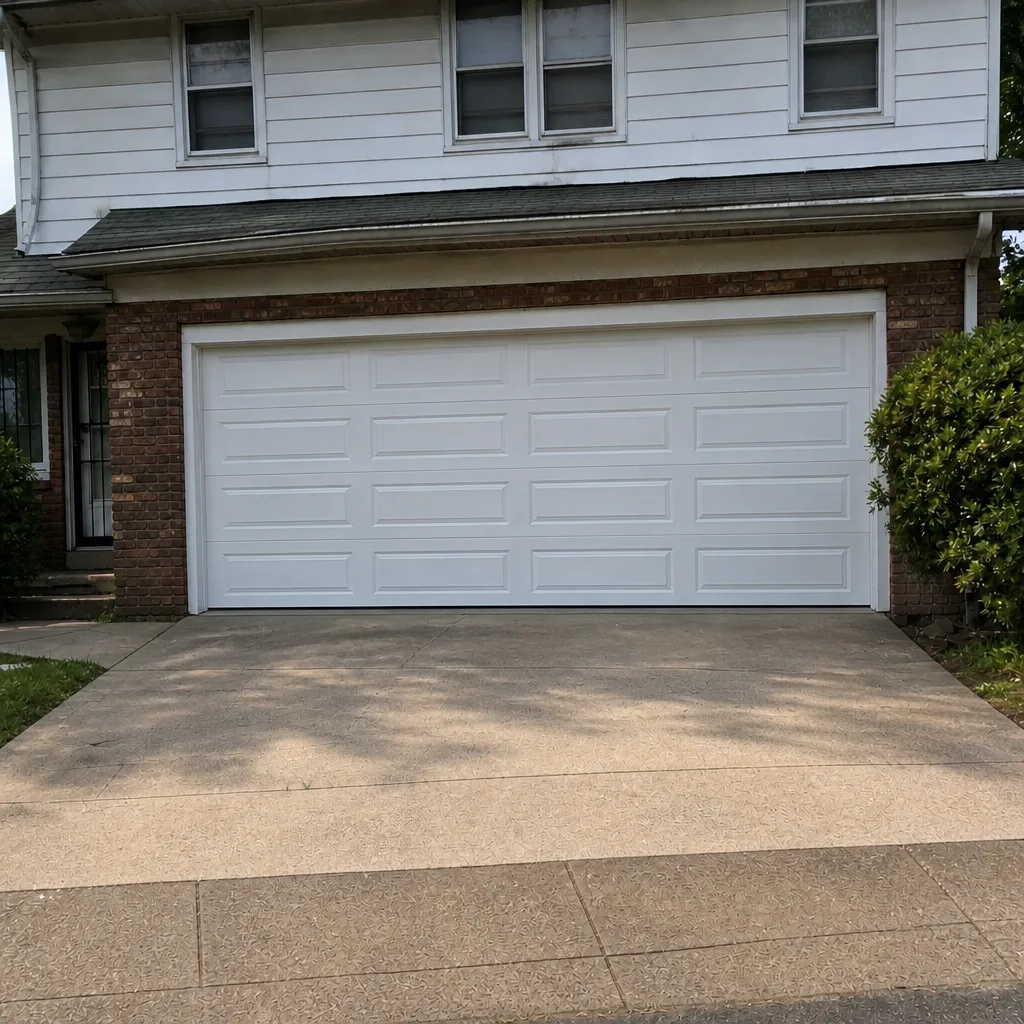
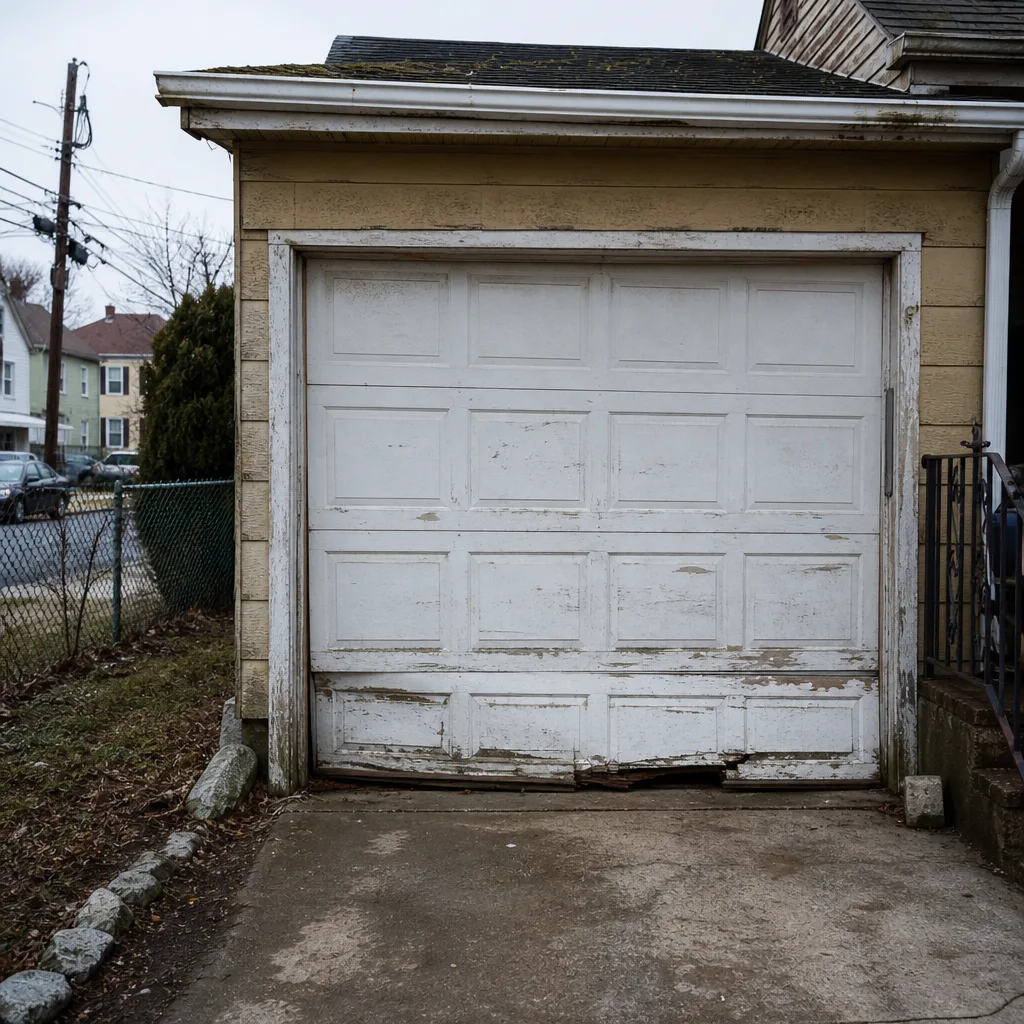
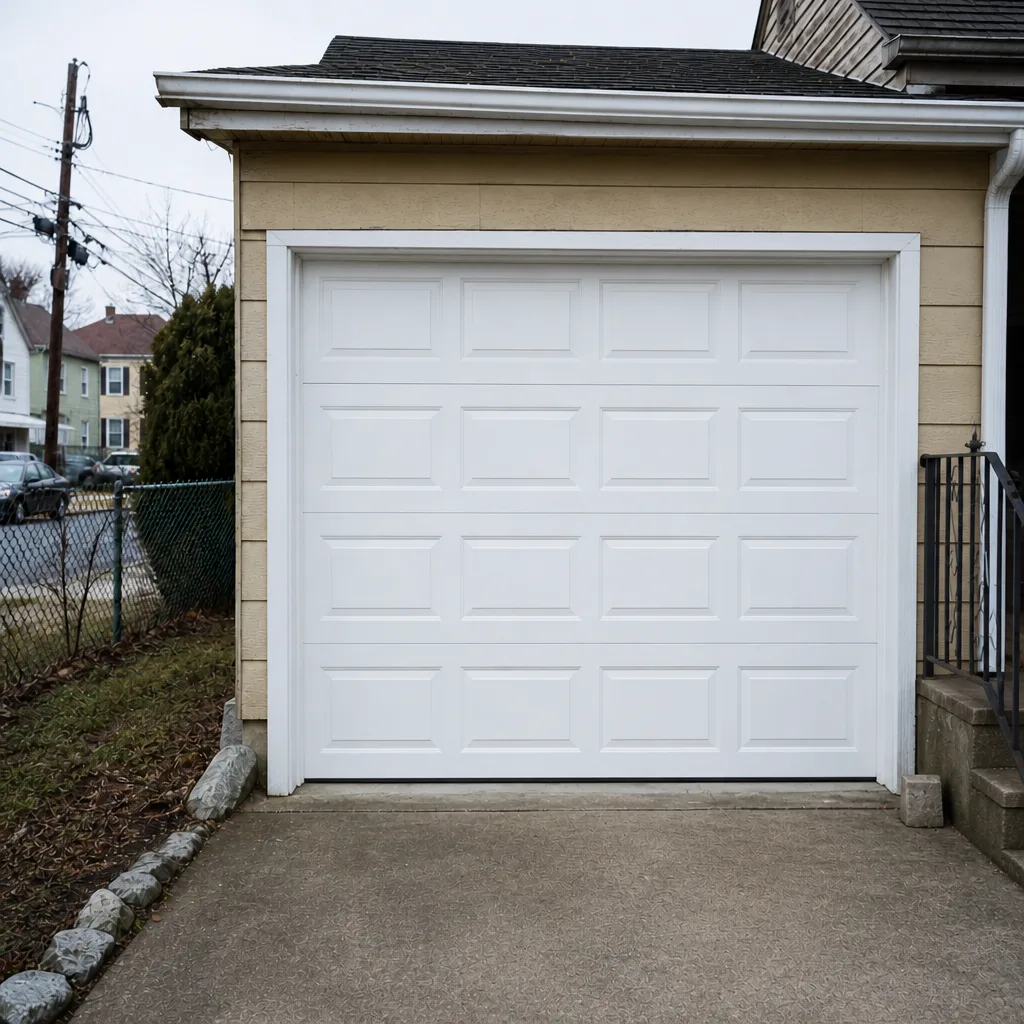
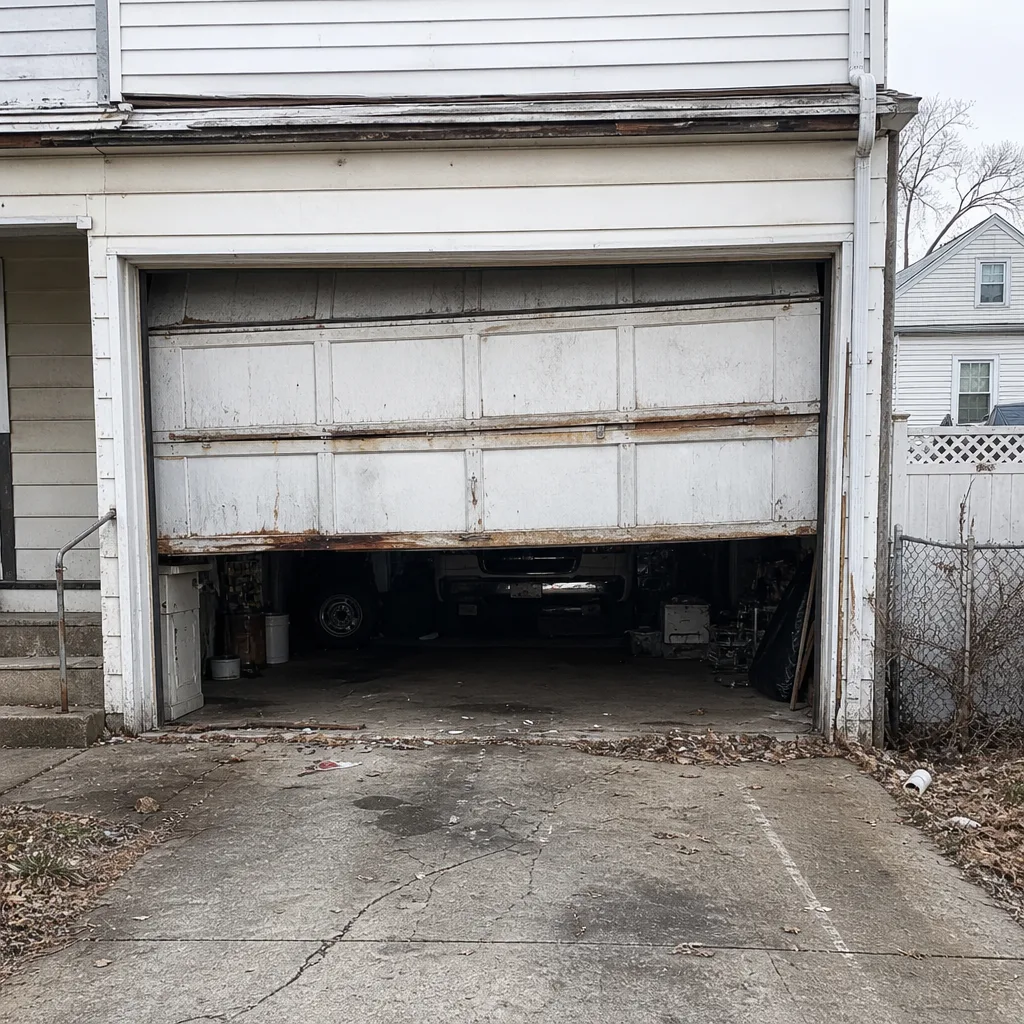
See the difference
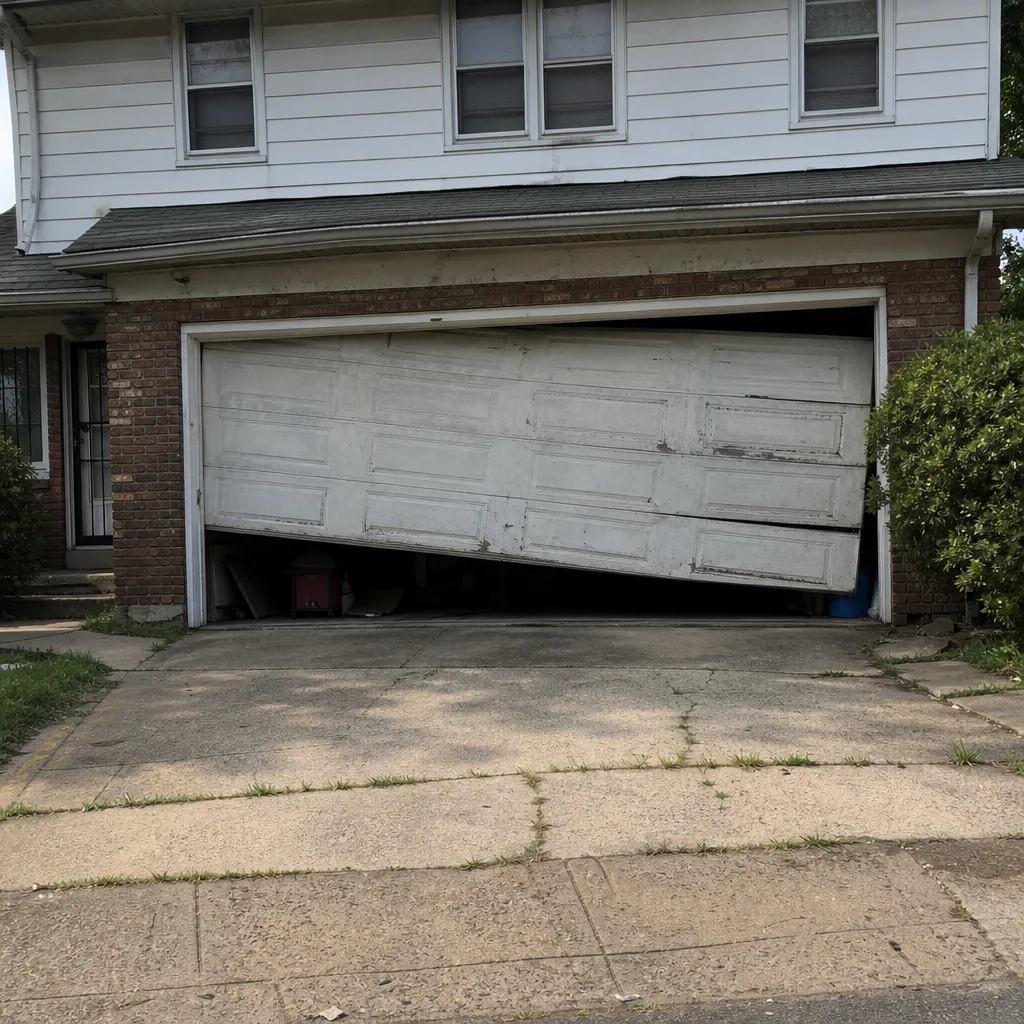 Before
 After
 Before
 After
 Before
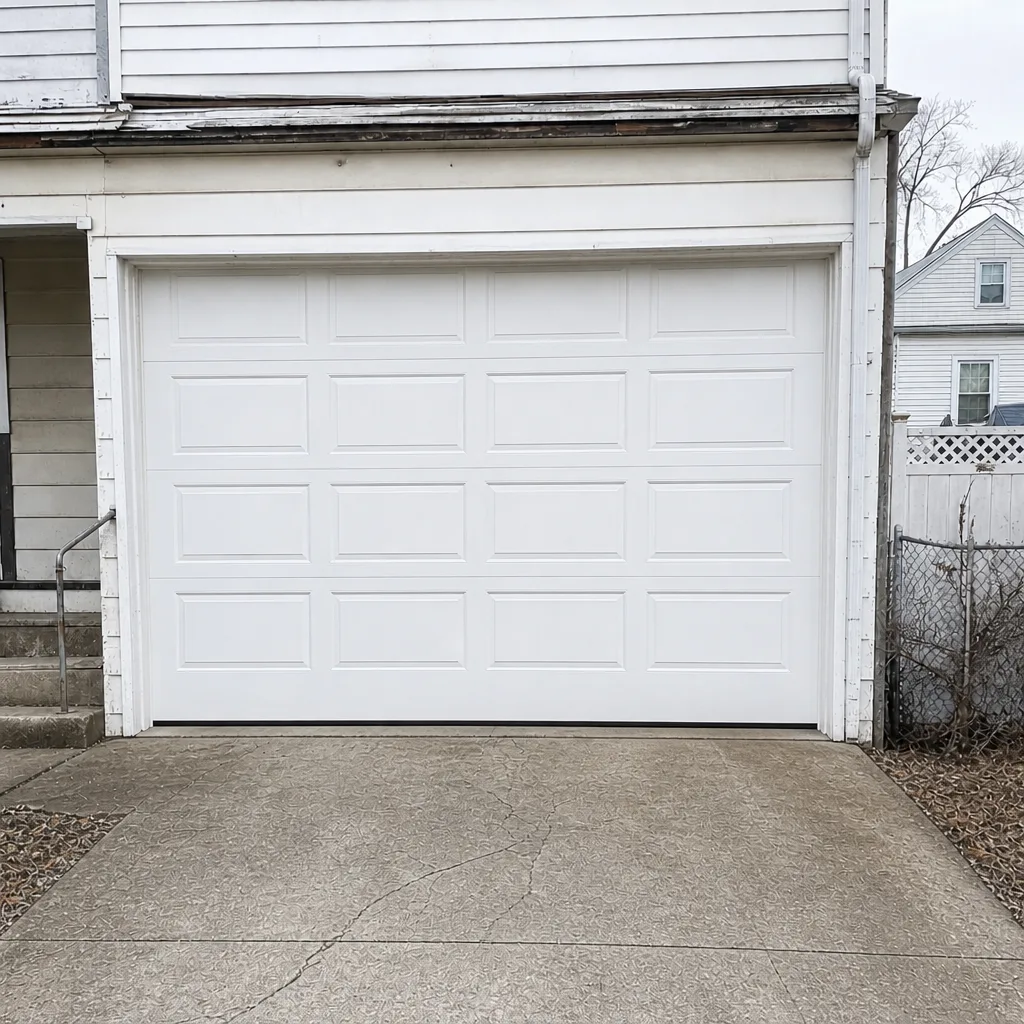 After
When to Call a Professional
Call a technician the moment you suspect a spring or cable. Any popping sound, a door that’s suddenly heavy in the manual release test, a door that drops when you let go at waist height, or a cable hanging loose all warrant a stop and a call. Don’t operate the door until it’s inspected. Also call if the opener hums without moving the door, if you smell burning from the opener head, if the manual release test shows a balance problem, or if your door is over ten years old and you’ve never had it serviced. Lancaster Garage Door Service offers free estimates in Paterson, and our technicians have up to 14 years of experience across LiftMaster, Chamberlain, Genie, Clopay, Amarr, Wayne Dalton, Craftsman, and Raynor systems. Call (844) 902-2470.
Frequently Asked Questions
It usually reverses because the safety sensors are detecting a problem, not because the sensors are faulty. A door that’s out of balance, has a track misalignment, or has failing spring tension can trip the safety circuit and reverse. Check that the photo-eyes are aligned and clear first, then run the manual disconnect test. If the door is heavy, call a technician. Call (844) 902-2470 for a free estimate.
Same-day service is often possible for common repairs like sensor realignment, opener parts, and roller replacement, depending on the parts required and the schedule. Call (844) 902-2470. We answer 24/7. Fast dispatch from 7am to 7pm, Sunday through Friday.
No, the price is set by the written estimate before any work starts. You’ll know the number first, and the estimate is the price. If a technician finds something different once the door is open, they’ll explain it and re-quote before proceeding. Call (844) 902-2470 for a free estimate.
Yes, we work with licensed and insured local professionals. Brand-specific diagnostics across the eight major brands means they know your system, not just garage doors in general. Call (844) 902-2470 to talk through your door.
Cold weather stiffens lubricant and tightens clearances, so a door that’s marginally balanced drags in winter and runs fine in summer. It’s usually a lubrication or spring-tension issue, not an opener motor problem. Don’t turn up the force setting to compensate. Call (844) 902-2470.
Pull the manual release cord and lift the door by hand. If it’s heavy or binds, the problem is mechanical. If it moves freely and the opener still fails, the opener is the issue. That test takes 30 seconds and tells a technician which diagnostic path to take. Call (844) 902-2470 with the result.
The Bottom Line
Garage door troubleshooting comes down to reading behavior instead of chasing symptoms. Run the manual disconnect test first. Listen to the noise. Note when the problem happens, especially if it’s cold-weather-only. Fix the three things you can safely adjust yourself, and call a technician for springs and cables. Paterson’s freeze-thaw winters are hard on springs and lubrication, so if your door is slowing down as the season turns, address it before it fails on a cold morning. One call covers the door and the opener. Whether your door won’t open, your opener is grinding, or it’s time for full replacement, Lancaster Garage Door Service handles repair, opener repair, and new installation across eight major brands. For your neighborhood, see our Paterson page.
Ready to get it fixed? Call (844) 902-2470 for a free estimate. We answer 24/7. Fast dispatch from 7am to 7pm, Sunday through Friday.
Written by the team at Lancaster Garage Door Service.