
Last updated November 15, 2026
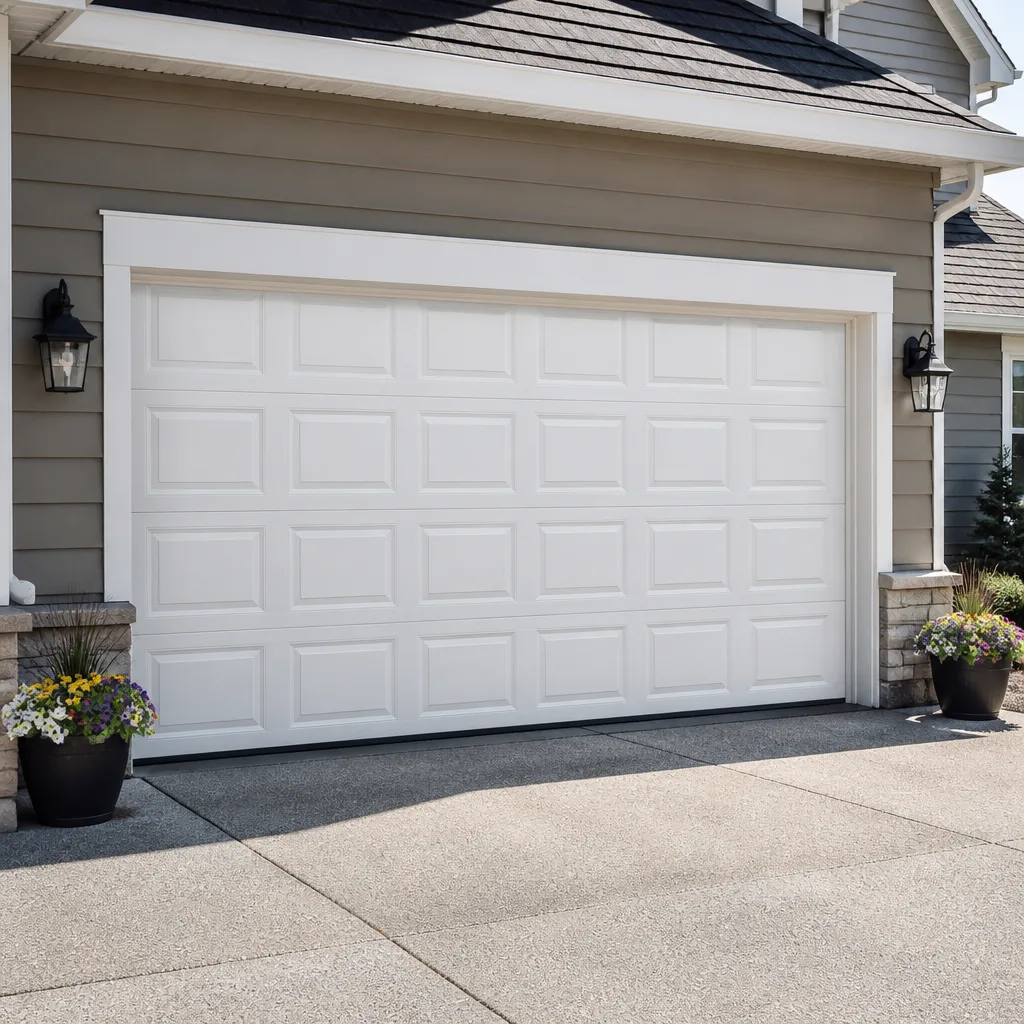 Raised-panel steel
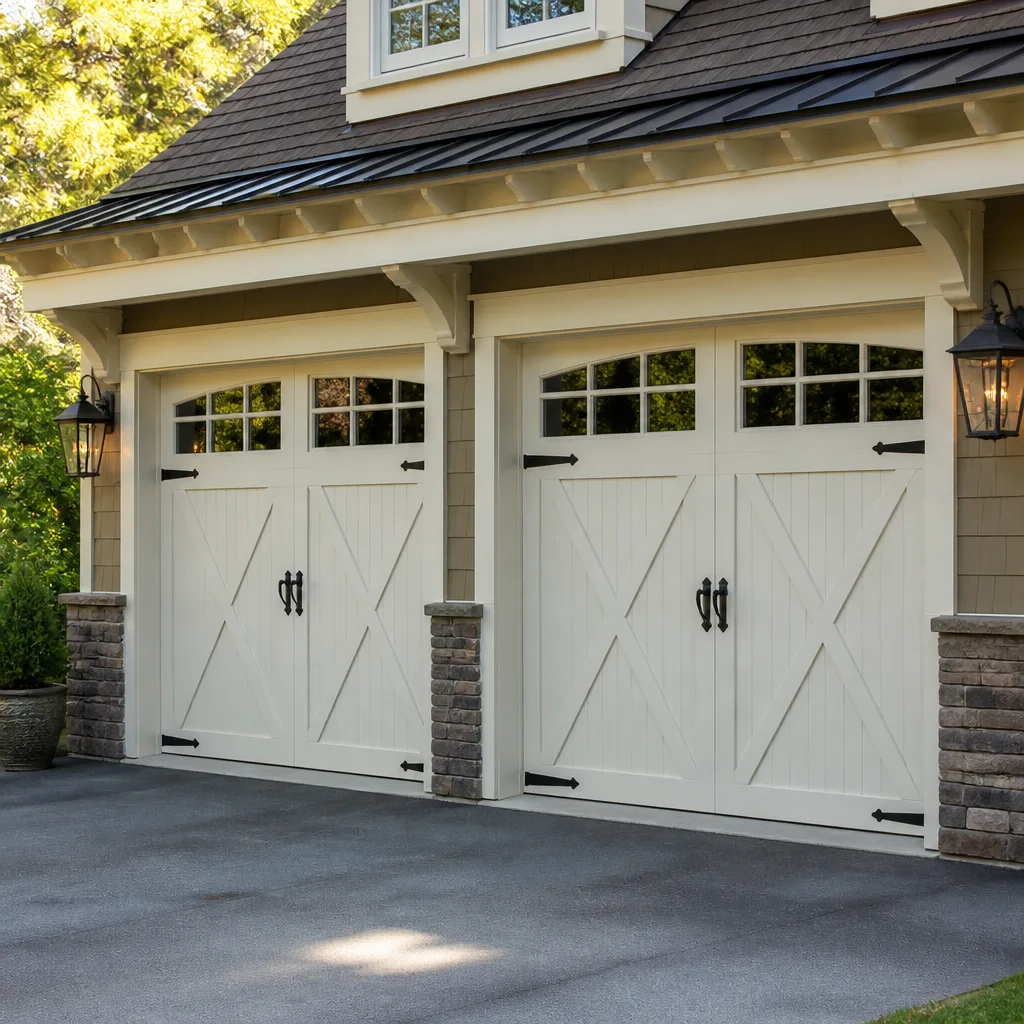 Carriage house
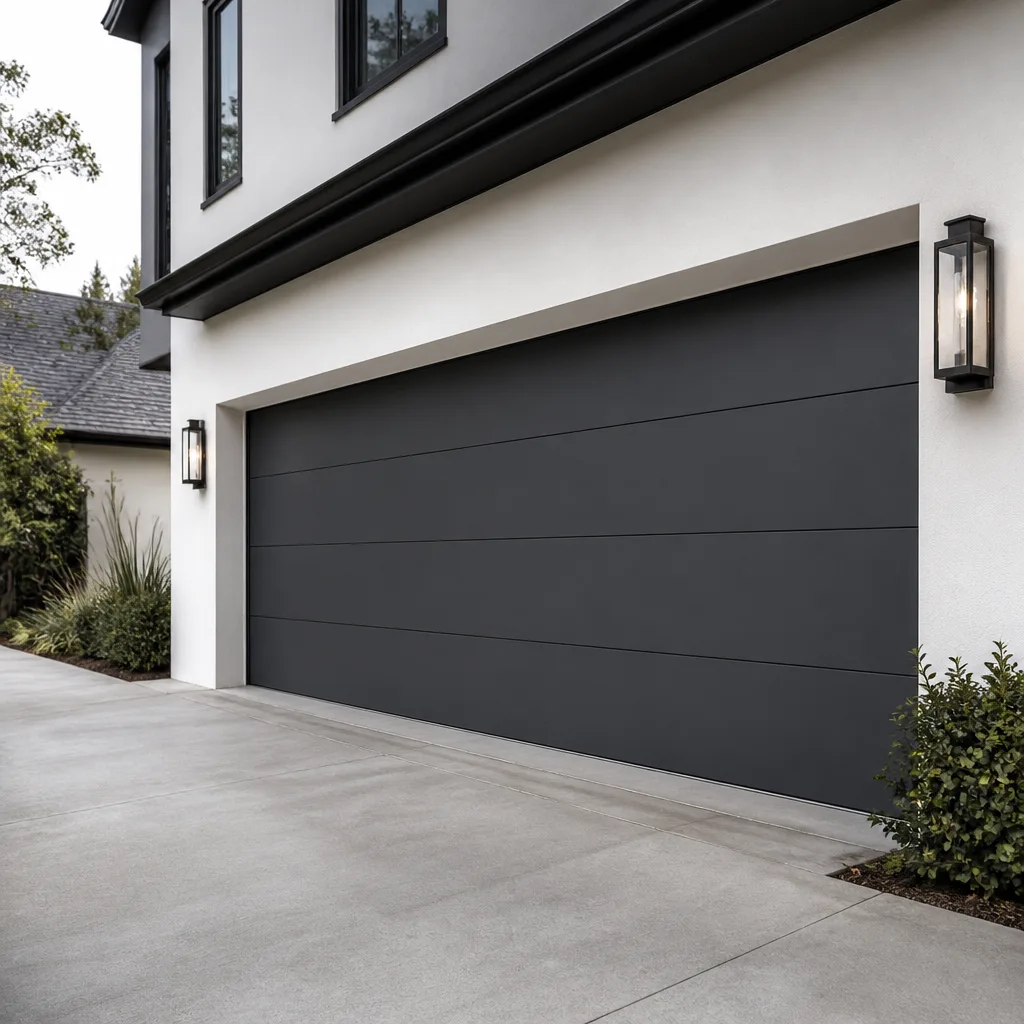 Modern flush
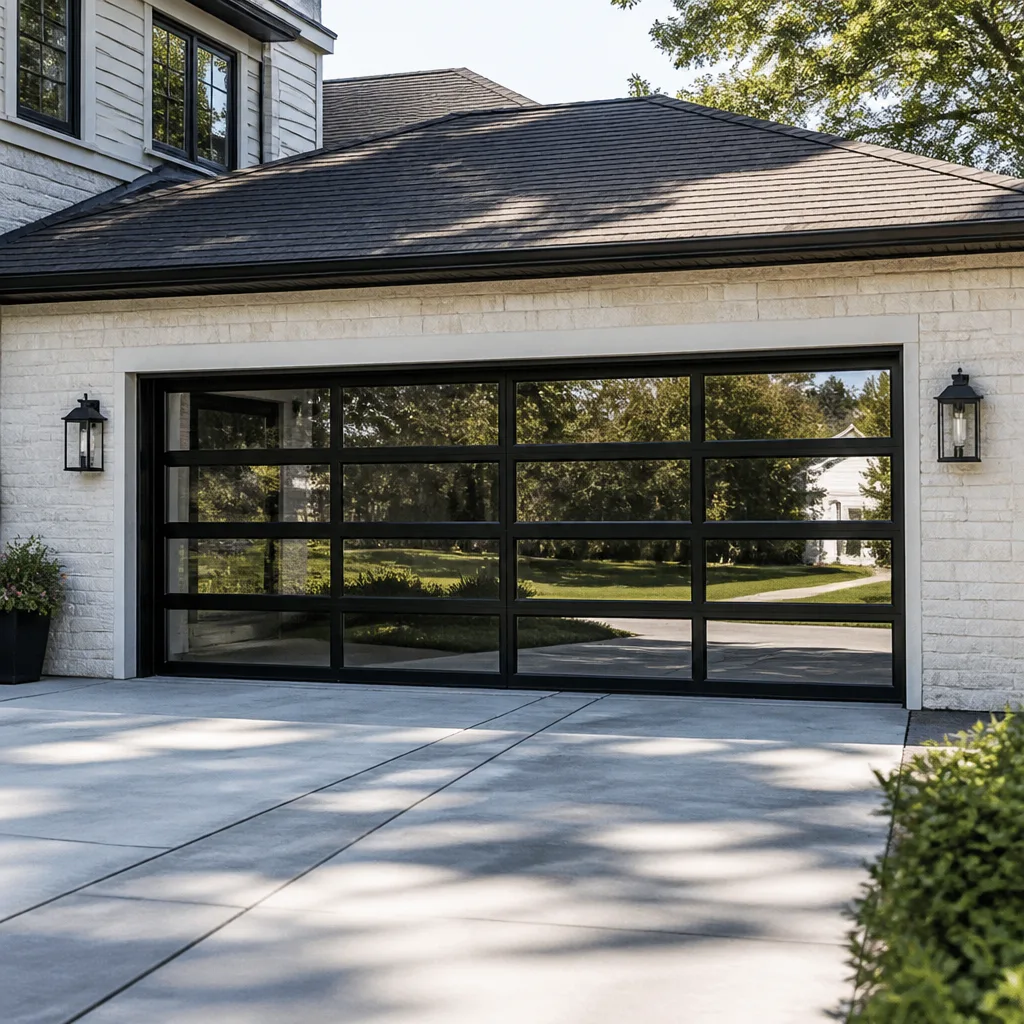 Full-view glass
 LiftMaster openers
 Chamberlain openers
Full 25-point door and opener safety check with every visit - springs, cables, rollers, tracks, and your LiftMaster or Chamberlain opener included
You get a price before we start. It does not change when the pro arrives.
Get your free estimateGarage Door Repair Maintenance Schedule: What to Do and When
Lubricating your garage door tracks is one of the most commonly recommended maintenance tips, and one of the most damaging things you can do. Tracks are supposed to be clean and dry. Grease and spray lubricant collect grit, the rollers stop rolling and start skidding, and the door begins to drag and shudder. We see the results of that advice in Paterson often: black, gummed-up track and rollers that are flat on one side. This guide lays out what your door actually needs and when, built around four seasonal checkpoints and a real Paterson calendar. You’ll get the lubrication map, the balance test with a number attached, what you can check yourself and what belongs to a technician, plus the cost of skipping it.
Quick Answer
Your garage door needs four seasonal checkpoints a year, not monthly fussing. Each one targets what the season does to the door: spring tension in late winter, humidity and corrosion in summer, hardware snugging and lubrication in fall, and a full balance and safety test in spring. A technician’s annual tune-up covers springs, cables, rollers, hinges, and opener force settings. The rest of the year, you leave the tracks alone.
Styles & brands we work with
- Raised-panel steel
- Carriage house
- Modern flush
- Full-view glass
- LiftMaster openers
- Chamberlain openers
Table of Contents
- Why Four Checkpoints Beat Twelve Monthly Ones
- The Paterson Garage Door Calendar: Month by Month
- The Lubrication Map: What Gets Oil and What Never Does
- The Balance Test: What a Real Pass Looks Like
- Homeowner Checklist vs. Technician Checklist
- What Deferred Maintenance Actually Costs
- Brand Matters: Diagnosing Genie, Clopay, Amarr, and Wayne Dalton Systems
- Opener Maintenance Belongs on the Same Schedule
Why Four Checkpoints Beat Twelve Monthly Ones
A garage door is not a machine that wears evenly. It wears in bursts, driven by weather. Cold contracts steel and tightens springs. Humidity swells wood sections and blooms rust on hinges and bearing plates. Heat softens grease and lets it migrate off the parts that need it. Between those shifts, the door mostly just sits there. Checking it every month gives you almost nothing new to find and trains you to ignore the parts that matter.
Four checkpoints, timed to the seasons, put your attention where the stress is. In our experience across Paterson, the doors that fail are rarely the neglected ones. They’re the over-handled ones: tracks wiped with oil, springs sprayed with whatever was in the garage, hinges tightened until the metal fatigues. The right attention at the right moment beats constant attention.
What changes and when
- Late winter: spring tension peaks in the cold, and the door gets heavier to lift by hand. This is when tired springs show themselves.
- Spring: the ground thaws, the door stops binding on frost heave, and balance is easiest to test accurately.
- Summer: humidity works on wood sections and bare hardware. Corrosion season for anything unpainted.
- Fall: hardware loosens over a season of use. This is the tune-up window before winter loads the springs again.
The Paterson Garage Door Calendar: Month by Month
Paterson sits in a stretch of northern New Jersey where winter cold is hard on steel and summer humidity is hard on wood. A door on a wood-framed garage near the river corridor sees more moisture in July than a door on a dry suburban lot. Here’s how the year actually breaks down for a door in this city.
December through February: the cold stretch
This is when spring tension matters most. Torsion springs tighten as temperatures drop, which sounds harmless until you realize the door also gets heavier because cold grease stiffens the rollers. If your door has been lifting unevenly or the opener strains more in the cold, that’s the season showing it. Don’t force it open repeatedly trying to diagnose it. A trained technician can measure spring tension and tell you whether it’s normal cold-weather stiffness or a spring on its way out.
March and April: the thaw and the balance check
Once the frost is out of the ground, the door stops fighting the concrete and the real condition of the balance shows. This is the best month to run the balance test (covered below) and the safety reverse test. It’s also when technicians find the wear that winter hid: stretched cables, worn rollers, hinge screws that worked loose over the cold months.
May through August: humidity and corrosion
Summer in Paterson puts wood door sections through a swell-and-shrink cycle. Sections that fit tight in winter can bind in July. Hardware that’s painted holds up; bare or chipped metal starts to rust. If you have a Clopay or Amarr wood-composite door, check the bottom section and the joints for swelling, and keep paint intact on any bare steel. This is also when lubricant migrates in heat, so a fall re-lube makes more sense than a summer one.
September through November: the pre-winter tune-up
This is the checkpoint that pays for itself. Before the cold loads the springs again, a technician tightens hardware, replaces worn rollers, checks cable condition, and lubricates the right parts. Doors that get a fall tune-up go into winter smoother. Settle the schedule now, not in January when the door is screaming.
The Lubrication Map: What Gets Oil and What Never Does
This is where most maintenance advice goes wrong. Lubricant is not a blanket treatment for a garage door. It belongs on moving metal-on-metal contact points and nowhere else. Get the map wrong and you create the very drag and noise you were trying to fix.
What gets lubricant
- Hinges: a drop at each hinge pivot point. These are metal-on-metal and do wear.
- Rollers: the bearing inside each roller, not the roller surface that runs in the track.
- Springs: a light coat on the coils to reduce friction between windings. Use a proper garage door lubricant, not motor oil or WD-40.
- Bearing plates: the plates that carry the torsion shaft need a small amount where the shaft passes through.
What never gets lubricant
- Tracks: clean and dry. Lubricant on a track grabs grit and makes rollers skid instead of roll. If you’ve already greased them, have them cleaned properly.
- Bottom seal and weather stripping: lubricant degrades the rubber. Keep them clean and dry.
- The opener rail: a screw-drive or belt-drive rail needs its manufacturer’s specified treatment, often none. Generic grease attracts debris.
- Photo-eye lenses: never. Keep them clean with a dry cloth so the safety reverse keeps working.
Frequency matters as much as location. Once in the fall is enough for most Paterson doors. A door that runs several times a day can take a light second application. More than that and you’re over-oiling, which just collects dust.
The Balance Test: What a Real Pass Looks Like
A balance test tells you whether the springs are carrying the door’s weight or whether the opener is doing work it shouldn’t. Most advice says “lift the door halfway and see if it stays.” That’s not a real test. Here’s one with a number attached.
How to run it safely
- Disconnect the opener with the manual release cord. The door should be fully closed first.
- Lift the door by hand to about halfway. Use one hand on the bottom section, steady and controlled.
- Let go gently and see where it settles.
- It should stay within a few inches of where you released it. If it drops more than about a foot, the springs are weak or the door is out of balance. If it creeps up, the springs are too tight.
- Reconnect the opener and test the safety reverse: place a piece of wood on the floor under the door, close it, and confirm the door reverses on contact.
Stop the test immediately if the door feels unusually heavy or you hear popping from the springs. Never try to adjust, wind, or replace torsion springs yourself. Those springs are under enormous tension and can cause serious injury, including severed fingers or worse. If the balance test fails, that’s a job for a trained technician. If your door’s opener is involved, our garage door opener repair team can diagnose the drive side separately and confirm whether it’s the springs or the opener.
Homeowner Checklist vs. Technician Checklist
The line between what you can safely do and what should go to a technician isn’t about competence. It’s about what will hurt you. Here’s the clear split.
What a homeowner can self-certify
- Visual inspection of tracks for dents, bends, or debris
- Checking that the track bolts are present (not torquing them)
- Listening for new noise: scraping, popping, grinding
- Watching the door travel for wobble or uneven closing
- Testing the safety reverse with a piece of wood
- Cleaning the tracks with a dry cloth
- Applying lubricant to the hinge and roller pivot points
- Checking that the paint on wood or steel sections is intact
What a technician should do
- Tension check and adjustment of torsion or extension springs
- Cable inspection and replacement (cables can snap with dangerous force)
- Roller replacement, which requires unloading the door
- Balance testing with proper measurement after any adjustment
- Opener force and travel limit calibration
- Hinge replacement where metal has fatigued
- Track alignment correction
If you’re unsure which category a problem belongs to, that’s fine. A free estimate clears it up, and our garage door repair team will tell you what’s maintenance and what’s a repair before anything starts.
What Deferred Maintenance Actually Costs
Here’s where the schedule pays for itself. Skipping a checkpoint doesn’t save money; it moves the cost forward and adds to it. A worn roller is a small part. Left until it fails, it can chew up the hinge, then drag the cable, then strain the opener. Each replacement is a separate line on the bill.
The cost trajectory of one worn roller
- Replace at the right interval: a typical roller runs a small line-item in a routine tune-up. That’s the whole cost.
- Replace after it seizes: the roller plus likely a hinge, plus possible track damage. Several times the part cost.
- Ignore a seized roller full cycle: a strained opener, a stretched cable, possibly a spring that’s been fighting the drag. The ticket becomes a repair job rather than a maintenance job.
We’re not going to quote you a fake number here. In this market, a single worn roller is a minor line item; the same roller ignored can add a hinge, a cable, and opener diagnostics to the bill. The pattern holds across every part on the door. Small, on-schedule replacements keep the total low. Catch-up repairs compound.
If you want an exact figure for your door in Paterson, call for a free estimate. Price is quoted and agreed before any work starts, so you decide with the number in hand.
Brand Matters: Diagnosing Genie, Clopay, Amarr, and Wayne Dalton Systems
Different brands fail in different ways, and the maintenance schedule should account for it. A door isn’t generic hardware. The springs, rollers, hinges, and opener are matched to a system, and knowing that system shortens the diagnosis.
What we look for by brand
Clopay and Amarr doors are common in Paterson’s residential stock, and both show similar wear at the bottom section and hinges first. Wood-composite sections take on moisture in our summer humidity, so the paint and seal check on those brands belongs on the spring and fall checkpoints.
Wayne Dalton systems are worth noting because the spring configuration varies by model line. A technician who doesn’t know the line may misdiagnose a normal break as a spring failure or vice versa. Our team has worked these configurations enough to tell the difference quickly.
Genie openers have their own drive systems, and diagnosing a Genie is different from diagnosing a LiftMaster or Chamberlain unit (those two share a platform, which speeds up diagnosis when you’re used to both). This is why our Lancaster Garage Door Service team treats opener work as its own specialty rather than a footnote under general repair.
Opener Maintenance Belongs on the Same Schedule
Most maintenance guides focus on the door and forget the opener. That’s a mistake. The opener is doing the work the springs should be doing, and if the door is out of balance, the opener is the first part to feel it. The four checkpoints should include the opener on every one.
What to check at each checkpoint
- Fall: force and travel limit calibration. An opener that’s set too strong will push through an obstruction instead of reversing, which is a safety issue, not just a convenience one.
- Winter: listen for grinding or unusual strain in cold weather. Cold grease in the opener gearbox can make it sound worse than it is, but a technician can tell the difference.
- Spring: test the safety reverse and the photo-eye. Both should work reliably on every cycle.
- Summer: check for heat-related limit drift. Doors that close unevenly in hot weather often have an opener travel setting that needs re-setting.
If your opener is a Craftsman, a Raynor, or a LiftMaster/Chamberlain smart-home unit, the maintenance differs by model, but the checkpoints are the same. Knowing the model keeps you from a misdiagnosis and a callback. Covering this city, our Paterson team works on all of these systems and can tell you which part is actually at fault before anything is replaced.
Common Mistakes to Avoid
- Lubricating the tracks. The most common mistake and the most damaging. Tracks need to be clean and dry. Grease grabs grit and makes rollers skid instead of roll.
- Winding or adjusting springs yourself. Torsion springs are under enormous tension. This is one of the genuinely dangerous jobs on a garage door. Leave it to a trained technician.
- Over-tightening hinge screws. Chasing a rattle by cranking the screws strips the wood or fatigues the hinge. Snug is enough.
- Skipping the fall tune-up before winter. Cold loads the springs and stiffens the parts. Going into winter unprepared is the opposite of saving money.
- Ignoring the opener because the door still opens. A straining opener is telling you the door is out of balance. Left long enough, it becomes an opener repair, not a door repair.
- Using the wrong lubricant. Motor oil and general-purpose spray don’t belong on spring coils or roller bearings. Use a proper garage door lubricant.
- Treating every Paterson door the same. A wood-composite door in the humid river corridor and a steel door on a dry lot need different checkpoints. One schedule doesn’t fit every door.
See the difference
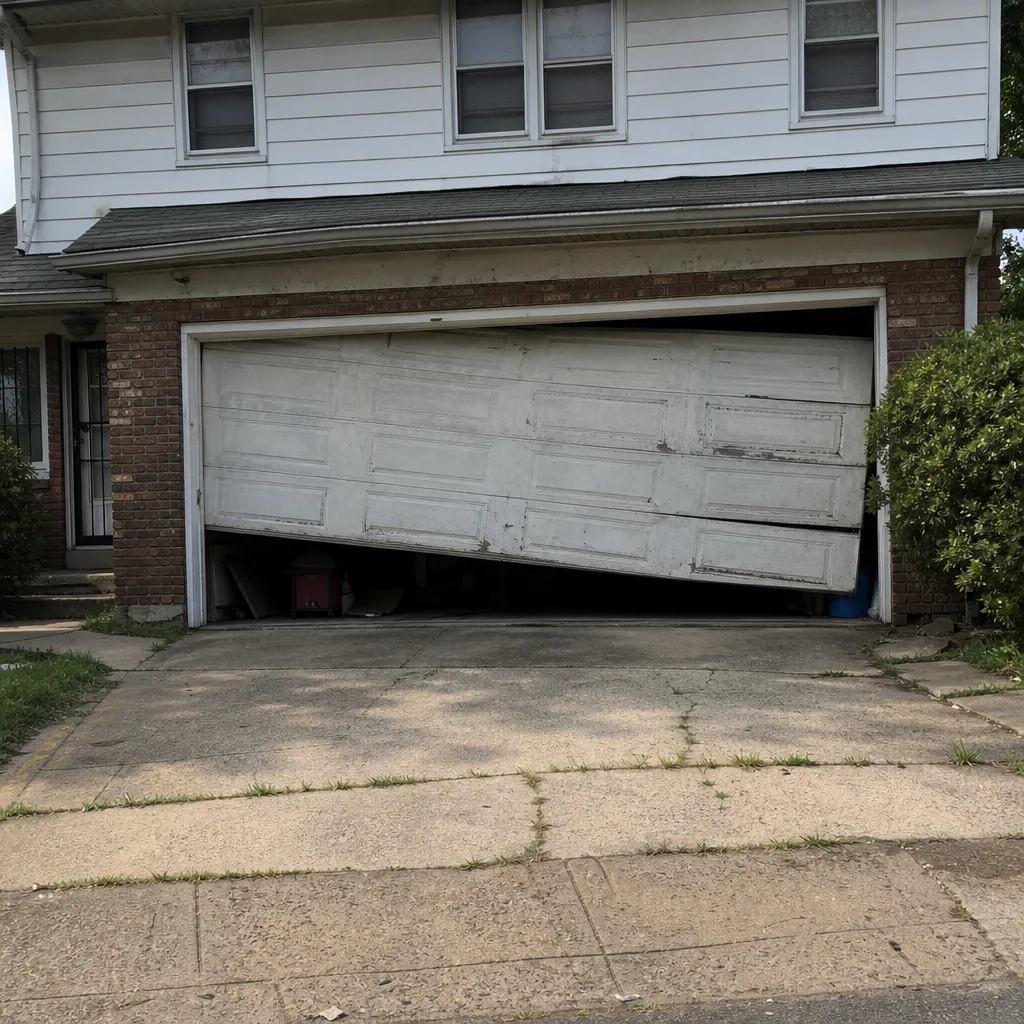 Before
 After
 Before
 After
 Before
 After
When to Call a Professional
Some jobs are routine tune-up territory. Others need a trained eye. Call us if the balance test fails (the door drops more than about a foot from halfway), if a spring has visibly broken or the door is suddenly very heavy, if a cable is frayed or hanging, if the safety reverse doesn’t work, if the door travels crooked, or if the opener strains or grinds. Those are all signs the door needs a professional, not a spray can.
Lancaster Garage Door Service offers free estimates in Paterson. Call (844) 902-2470. We answer 24/7. Fast dispatch from 7am to 7pm, Sunday through Friday. The price is quoted and agreed before any work starts, so you’ll know the number before the first bolt is touched. From the springs to the drive, from repair to full installation, one call covers all of it.
Frequently Asked Questions
Once a year for a full technician tune-up, with four homeowner checkpoints spread across the seasons. The fall tune-up before winter matters most here because cold loads the springs hard. If your door runs several times a day or is wood-composite in the humid river corridor, keep to the four checkpoints without skipping.
No. Tracks should be clean and dry. Lubricant on the tracks collects grit and causes the rollers to skid instead of roll, which makes the door drag and noise. Lubricate the hinges, roller bearings, spring coils, and bearing plates only. Call (844) 902-2470 if you’ve already greased the tracks and need them cleaned properly.
It measures whether the springs are carrying the door’s weight. Lift the door halfway by hand and let it settle. It should stay within a few inches of where you released it. If it drops more than about a foot, the springs are weak or the door is out of balance, and the opener is picking up the extra load. That’s a technician job.
Yes. Our technicians are trained and insured, and they work on the eight major brands: LiftMaster, Chamberlain, Genie, Clopay, Amarr, Wayne Dalton, Craftsman, and Raynor. Our technicians have up to 14 years of experience. Call (844) 902-2470 for a free estimate.
Call (844) 902-2470 and we’ll tell you what’s available. We answer 24/7, and we run fast dispatch from 7am to 7pm, Sunday through Friday. A call outside those hours gets booked into the next opening. Same-day service is often possible for repair calls; installation and replacement are measured and scheduled.
The price is quoted and agreed before any work starts. If the diagnosis changes once the technician is on site, you’ll hear it before anything is replaced, and you decide. The written estimate sets the final price. Call (844) 902-2470, estimates are free.
The Bottom Line
Your garage door doesn’t need monthly attention. It needs the right attention at four moments: late winter for spring tension, spring for the balance and safety test, summer for humidity and corrosion, fall for the pre-winter tune-up. Lubricate the hinges, rollers, springs, and bearing plates. Keep the tracks clean and dry. Run the balance test, and if the door drops more than about a foot, call a professional. What you skip compounds into bigger repairs later. What you do on schedule keeps the door quiet, safe, and cheap to own. In Paterson, that schedule is worth keeping.
If you need help with any step in this guide, or want the annual inspection done right, Lancaster Garage Door Service offers free estimates and handles repair, opener repair, and full installation on the major brands. Call (844) 902-2470. We answer 24/7. Fast dispatch from 7am to 7pm, Sunday through Friday.
Written by the team at Lancaster Garage Door Service.