
Last updated November 15, 2026
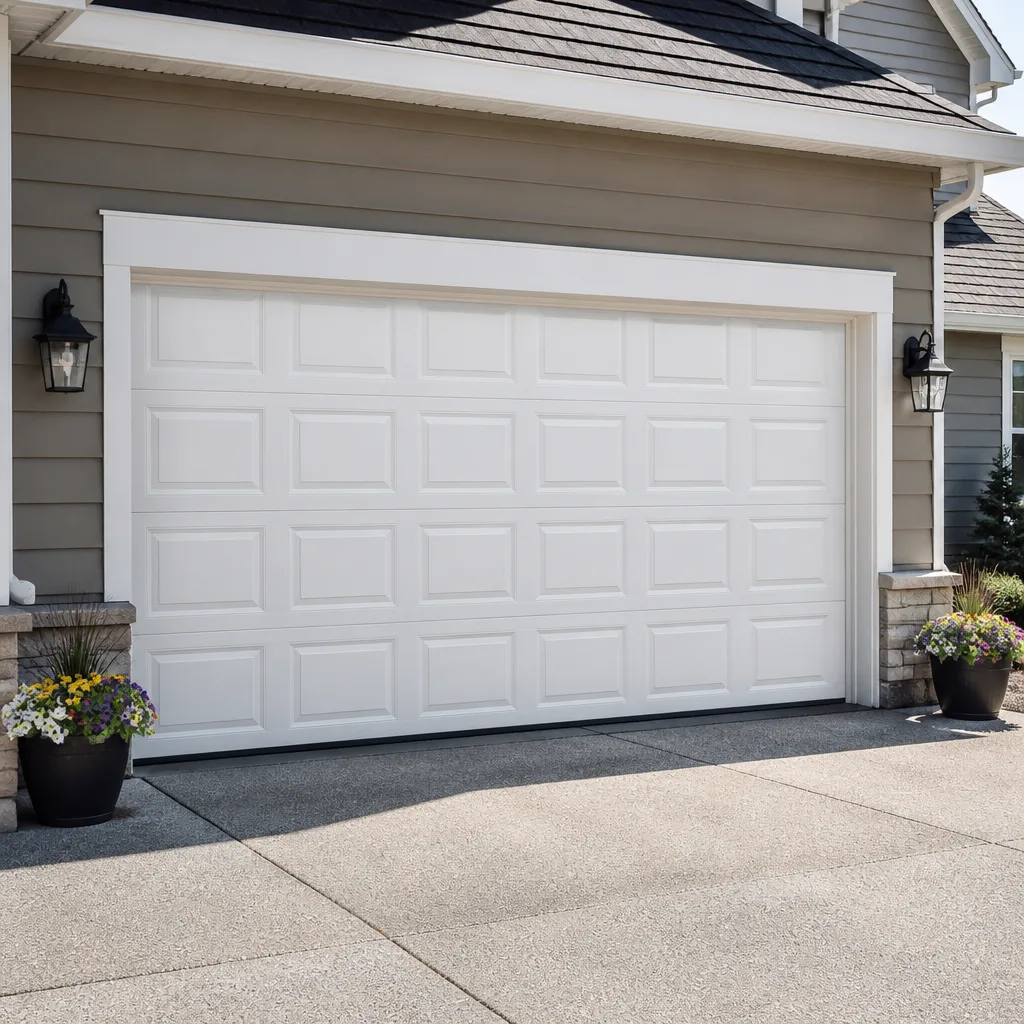 Raised-panel steel
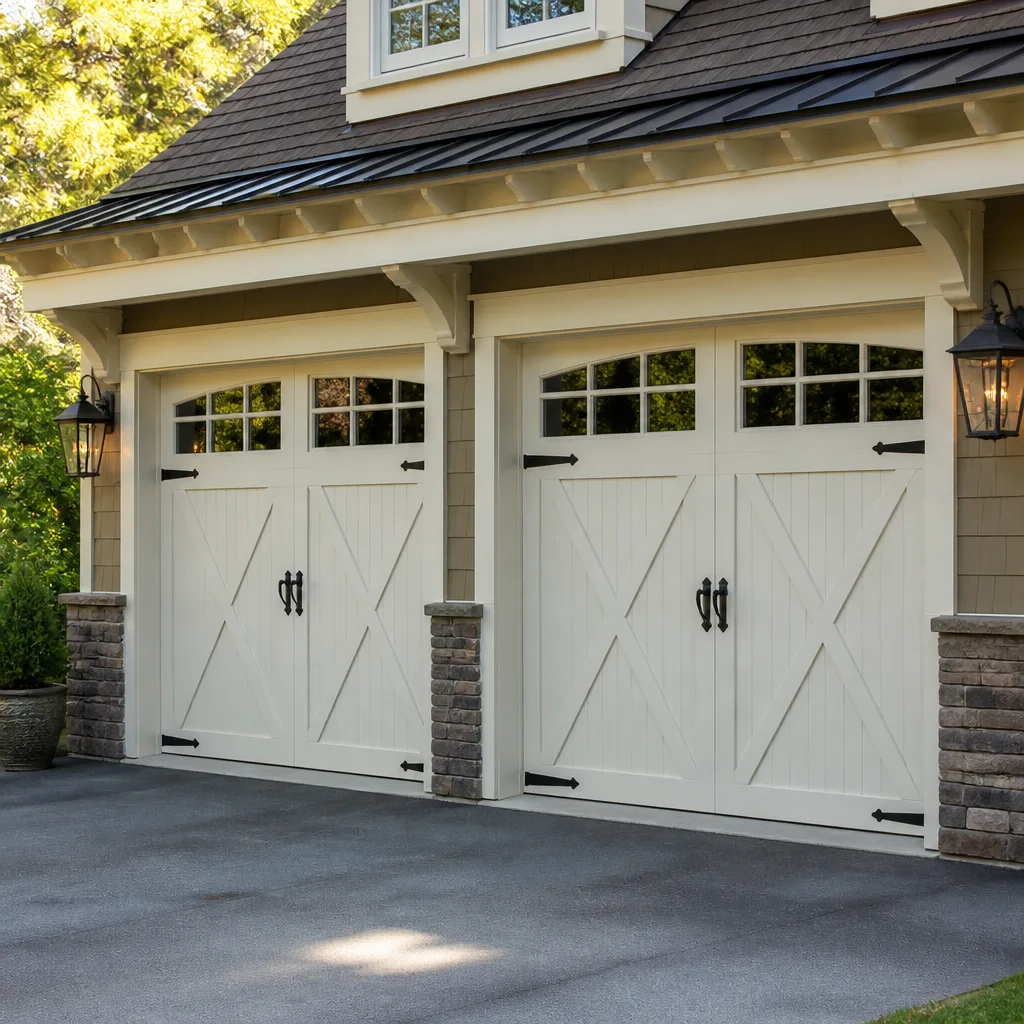 Carriage house
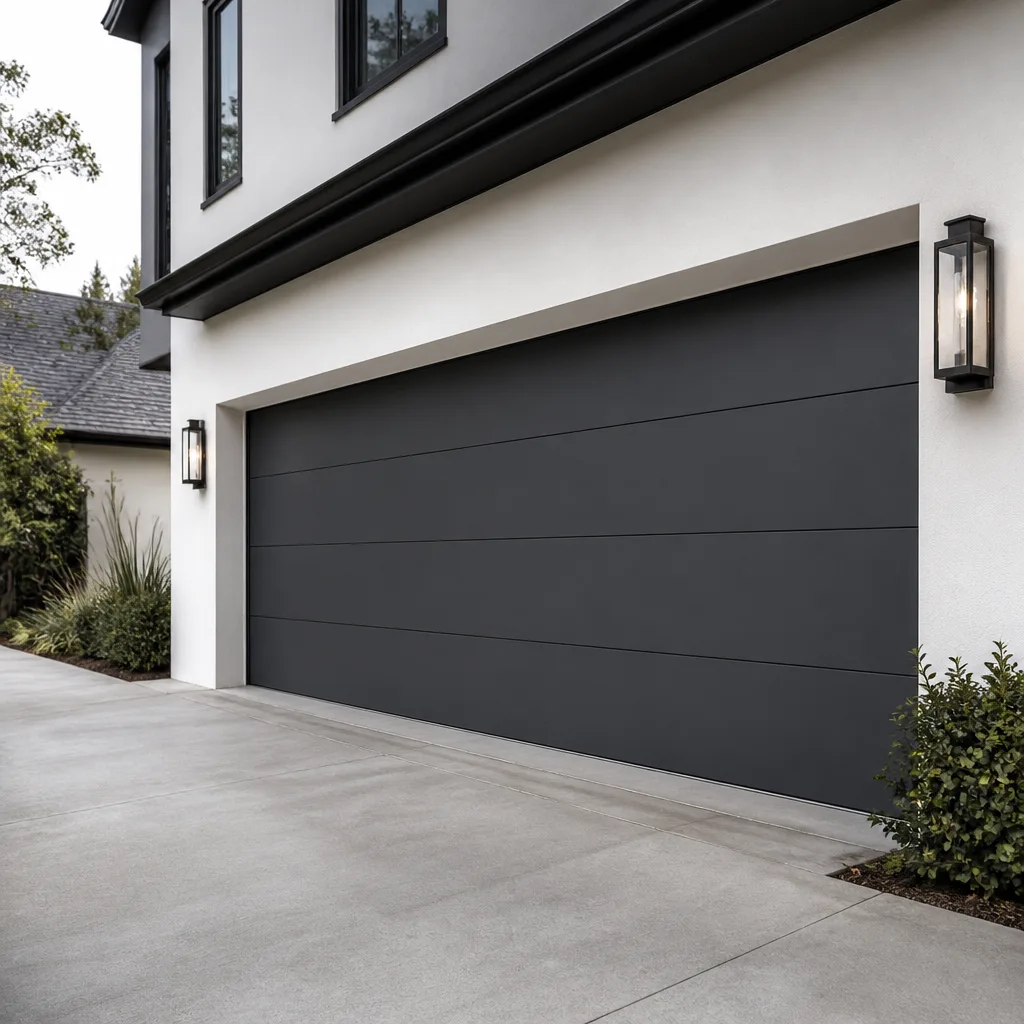 Modern flush
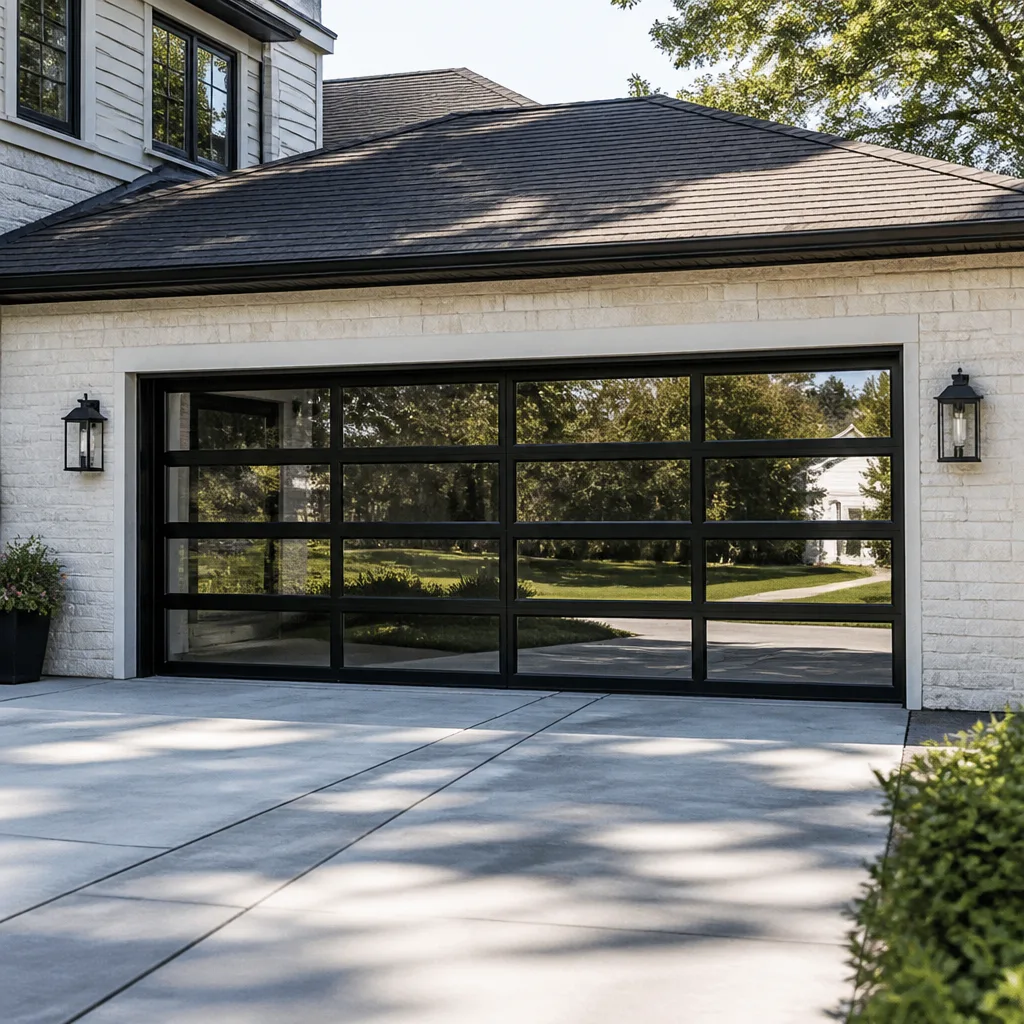 Full-view glass
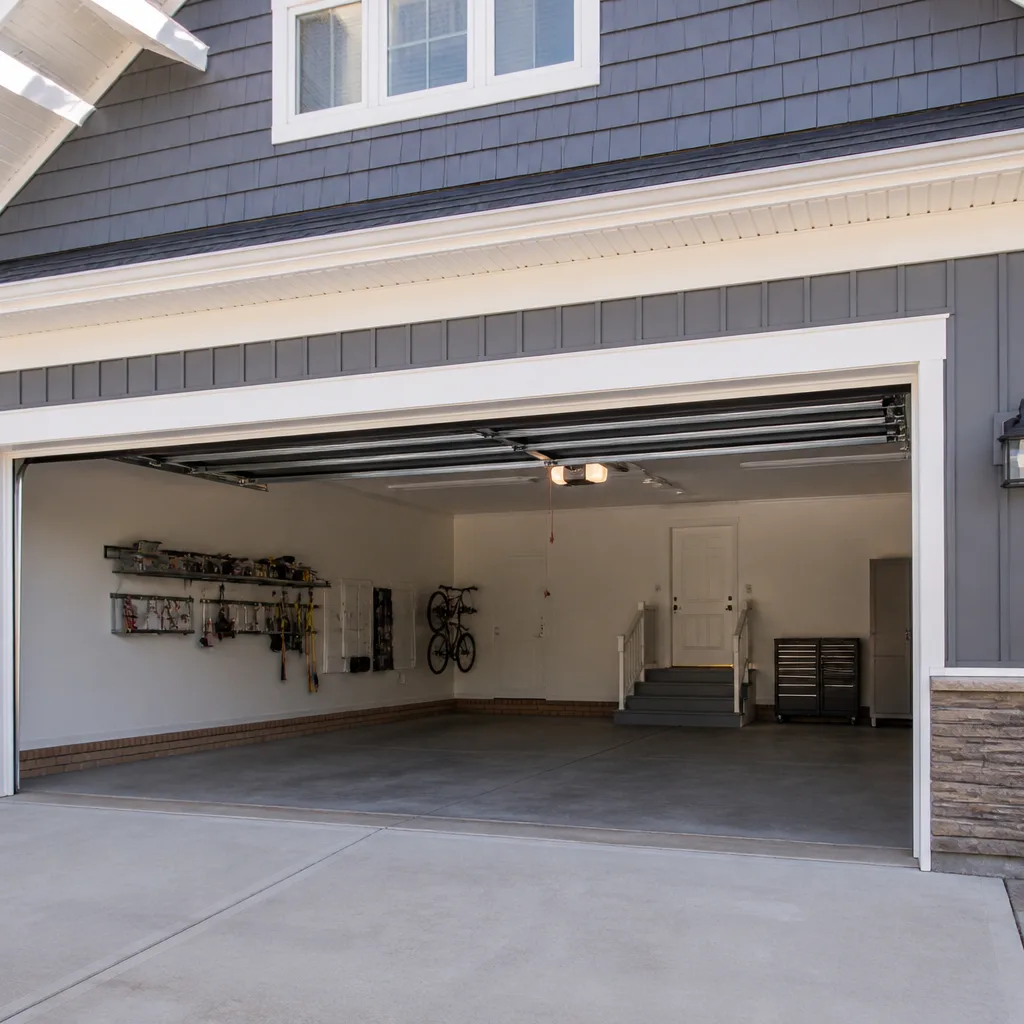 LiftMaster openers
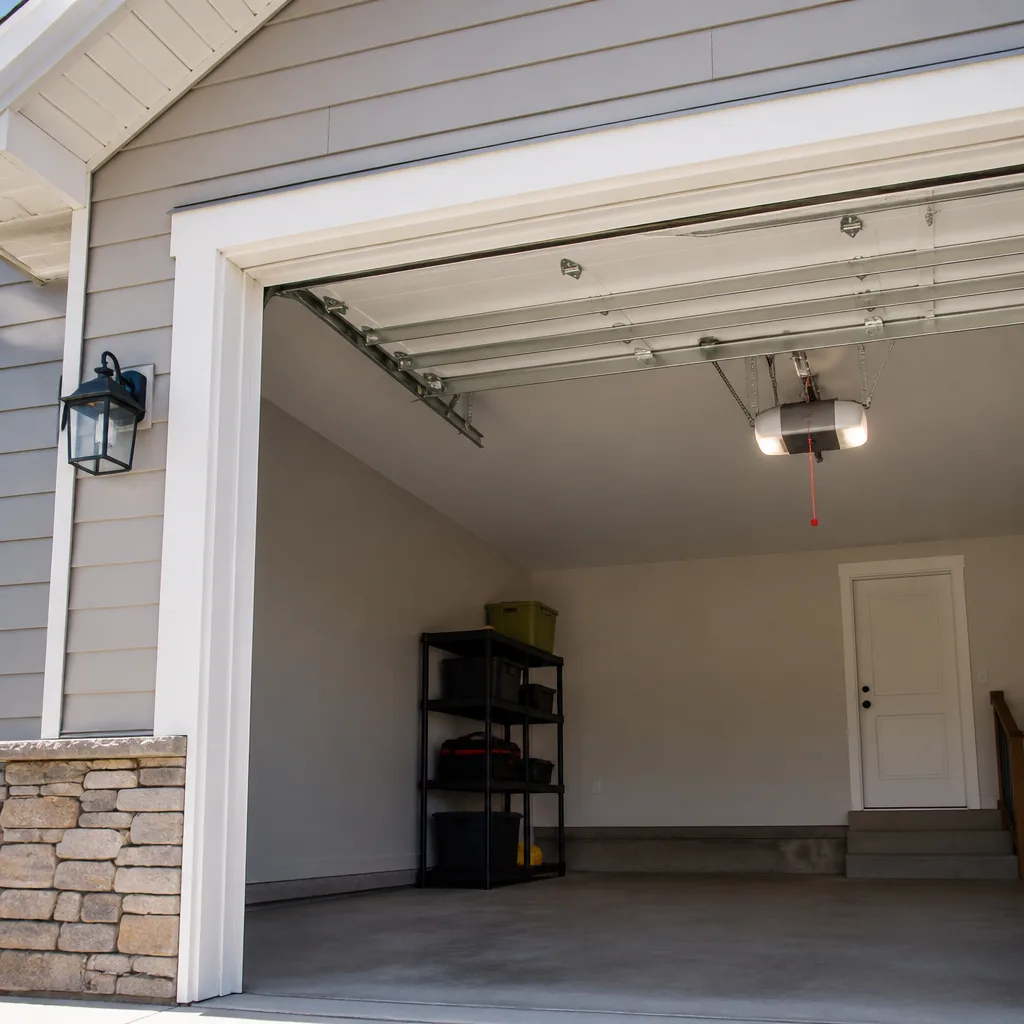 Chamberlain openers
Full 25-point door and opener safety check with every visit - springs, cables, rollers, tracks, and your LiftMaster or Chamberlain opener included
You get a price before we start. It does not change when the pro arrives.
Get your free estimateDIY vs Professional Garage Door: The Paterson Homeowner’s Decision Guide
Most DIY-versus-professional advice treats every garage door task the same, and that’s where it goes wrong. Swapping weatherstripping and replacing a torsion spring are not the same decision, not even close. A spring wound to operating tension stores enough energy that a mistake can injure you badly; weatherstripping stores none. So the honest answer changes task by task, and any guide that lumps them together isn’t actually helping you. In this guide we break the garage door down job by job, show where DIY genuinely saves money in Paterson, where it genuinely doesn’t, and how to tell the difference before you start.
Quick Answer
Some garage door work is fine for a careful homeowner and some isn’t. Weatherstripping, bottom seals, and light hardware adjustments are realistic DIY tasks. Torsion springs, cables, and drums are not: the stored energy and the tools required make the risk outweigh the savings. Opener installation sits in a gray zone where the mounting is manageable but the safety calibration usually isn’t. For anything involving springs, cables, or a full replacement, a licensed and insured professional is the safer and often cheaper call in the end.
Styles & brands we work with
- Raised-panel steel
- Carriage house
- Modern flush
- Full-view glass
- LiftMaster openers
- Chamberlain openers
Table of Contents
- Why the DIY Question Is Really a Risk Question
- The DIY Viability Table: Task by Task
- The Real Cost Comparison for DIY-Viable Tasks
- Why Opener Installation Sits in a Gray Zone
- What a Failed DIY Repair Actually Costs in Paterson
- The Tools and Training Behind Professional Spring Work
- When It’s Time to Call a Professional
Why the DIY Question Is Really a Risk Question
The garage door is the heaviest moving object in most homes. A standard single door runs well over a hundred pounds, and a double door runs considerably more. All of that weight is held in tension by springs. When a torsion spring is wound to operating tension, it stores a serious amount of energy, and releasing that energy suddenly is where injuries happen. This isn’t a liability disclaimer tacked onto a sales pitch. It’s physics, and it’s the reason the DIY decision for a spring is different from the DIY decision for a door seal.
So the right way to think about any garage door job is to ask two questions, in order:
- What’s the worst thing that happens if I get this wrong? A leaky seal is annoying. A snapped cable or a released spring is dangerous.
- Do I have the tools and the training to do it safely, not just once, but correctly? Some tasks need nothing more than a screwdriver. Others need winding bars, the right spring size, and the knowledge to match them.
If the honest answer to either question worries you, that’s your answer. And it’s not a knock on your competence. Plenty of capable homeowners in Paterson handle the low-risk tasks themselves and wisely hand off the high-risk ones. That’s exactly the judgment this guide is meant to support.
The DIY Viability Table: Task by Task
Here’s the breakdown we give homeowners who ask whether they should tackle a job themselves. It’s organized by the actual risk and difficulty of each task, not by what’s easy to sell.
- Weatherstripping: DIY-viable. This is the rubber or vinyl strip around the door opening. It’s low-risk, the parts are inexpensive, and getting it slightly wrong just means a draft, not an injury.
- Bottom seal replacement: DIY-viable with the correct seal type. The bottom seal slides into a channel on the door’s bottom edge. The catch is matching the seal profile to your door, since the wrong type won’t seat properly and will pull loose.
- Lubrication and light hardware tightening: DIY-viable. Hinges, rollers, and track bolts benefit from periodic attention. This is straightforward maintenance.
- Opener installation: conditional. The mechanical mounting is within reach for many homeowners, but the safety calibration often isn’t. More on this below.
- Cable replacement: not viable. Cables are under the same tension as the springs and can whip free with serious force. This needs a trained technician.
- Spring replacement: not viable. Torsion springs and their winding require specialized tools and real training. This is the single clearest “call a professional” in the whole trade.
If your task lands in the first three rows, you can reasonably consider doing it yourself. If it lands in the last two, the answer in our experience is almost always to bring in someone who does it every day.
The Real Cost Comparison for DIY-Viable Tasks
Homeowners often assume DIY always saves money. For the low-risk tasks it often does, but only if you count the full picture: parts, tools you don’t already own, and your time. Here’s how the math actually works for the tasks where DIY is genuinely a real option.
Weatherstripping
- Parts: a modest cost for the strip itself, plus a few fasteners.
- Tools: usually a utility knife, a staple gun or the fasteners the kit calls for, and a measuring tape, most of which many homes already have.
- Time: a couple of hours for a typical single door if the old strip comes off cleanly.
- Professional route: you pay for the labor convenience and the certainty that the right profile goes on right the first time.
Bottom seal
- Parts: the seal is inexpensive, but matching the profile matters. Buying the wrong one is the most common waste of money.
- Tools: minimal; the seal slides into the existing channel.
- Time: a short job once you have the right seal in hand.
The honest takeaway: for these tasks the DIY savings are real, but they’re modest. The bigger value of doing them yourself is convenience, not a big financial win. Where DIY genuinely gets expensive is when it goes wrong on a task that shouldn’t have been attempted, which is the next subject.
Why Opener Installation Sits in a Gray Zone
Opener installation is the task that fools the most capable homeowners. The mechanical part, mounting the rail, hanging the unit, and attaching the arm to the door, is within reach for someone comfortable with a ladder and basic tools. That’s why so many people start. The problem is the steps most DIYers skip: aligning the safety sensors and setting the force adjustment.
Those two steps are what make the opener safe and reliable over time. The safety sensors at the bottom of the door are supposed to reverse the door if something is in its path. If they’re misaligned by a fraction, the door can fail to reverse, or it can reverse for no reason and leave you frustrated. The force adjustment tells the opener how hard to push before it gives up and reverses. Set too high and the door keeps pushing against an obstruction; set too low and it reverses on its own on a cold morning.
We work on garage door opener repair constantly, and a large share of the problems we’re called for on newer openers trace back to installation calibration, not to defective parts. Whether it’s a LiftMaster, a Chamberlain, or an older Craftsman unit, the calibration steps are where a careful installation quietly fails six months later. If you’re installing an opener yourself, budget real time for the sensor alignment and force test, and test the reversal with a piece of wood on the floor before you call it done.
What a Failed DIY Repair Actually Costs in Paterson
When a DIY repair goes wrong, the cost isn’t just the service call to fix it. It’s the downstream damage. An improperly adjusted cable can pull a track out of alignment, and a mis-sized spring can strip a drum. Those are jobs a technician then has to address, and they usually cost more than the original repair would have.
Paterson homes sit in a climate with real swings: hot, humid summers and cold winters. That cycle works on door hardware in ways homeowners don’t always see. Cables stretch and seals crack faster than in milder regions, and a spring that’s slightly off-spec will show its weakness within a season or two. So a mistake here doesn’t just fail; it fails at the worst possible time, often on a morning you need to get to work.
Here’s the pattern we see most often:
- A homeowner replaces a spring or cable without matching specs.
- The door runs fine for a few weeks, so the repair seems successful.
- The misalignment binds the rollers or strains the drum, and the door starts dragging or sticking.
- The eventual repair includes the original problem plus the damage the first attempt caused.
The savings from the DIY attempt evaporates once that second repair is on the table. In our experience, the homeowners who come out ahead are the ones who knew which tasks to keep and which to hand off.
The Tools and Training Behind Professional Spring Work
The point of this section isn’t to intimidate you. It’s so you understand what you’re actually paying for when a professional handles a spring. The tool list is short but specific, and the knowledge behind it is what keeps the job safe.
- Proper winding bars: springs are wound with bars sized to the spring, and using the wrong tool or a substitute like a screwdriver is how serious injuries happen.
- The correct spring size: springs come in matched wire gauges and lengths. The wrong size changes the door’s balance and puts strain on every other component.
- Balance testing: after the spring is set, the door should hold position midway up. This test tells the technician the tension is right before anyone lets go.
- Trained hands: a technician who has done this hundreds of times knows how the spring feels as it winds and can spot a problem before it becomes a hazard.
Our technicians have up to 14 years of experience, and much of that experience is exactly this: spring work done safely, with the right parts the first time. When you hire for a spring job, you’re paying for the tools, the sizing knowledge, and the judgment that keeps the door safe after the repair. That’s the expertise the DIY route can’t provide.
See the difference
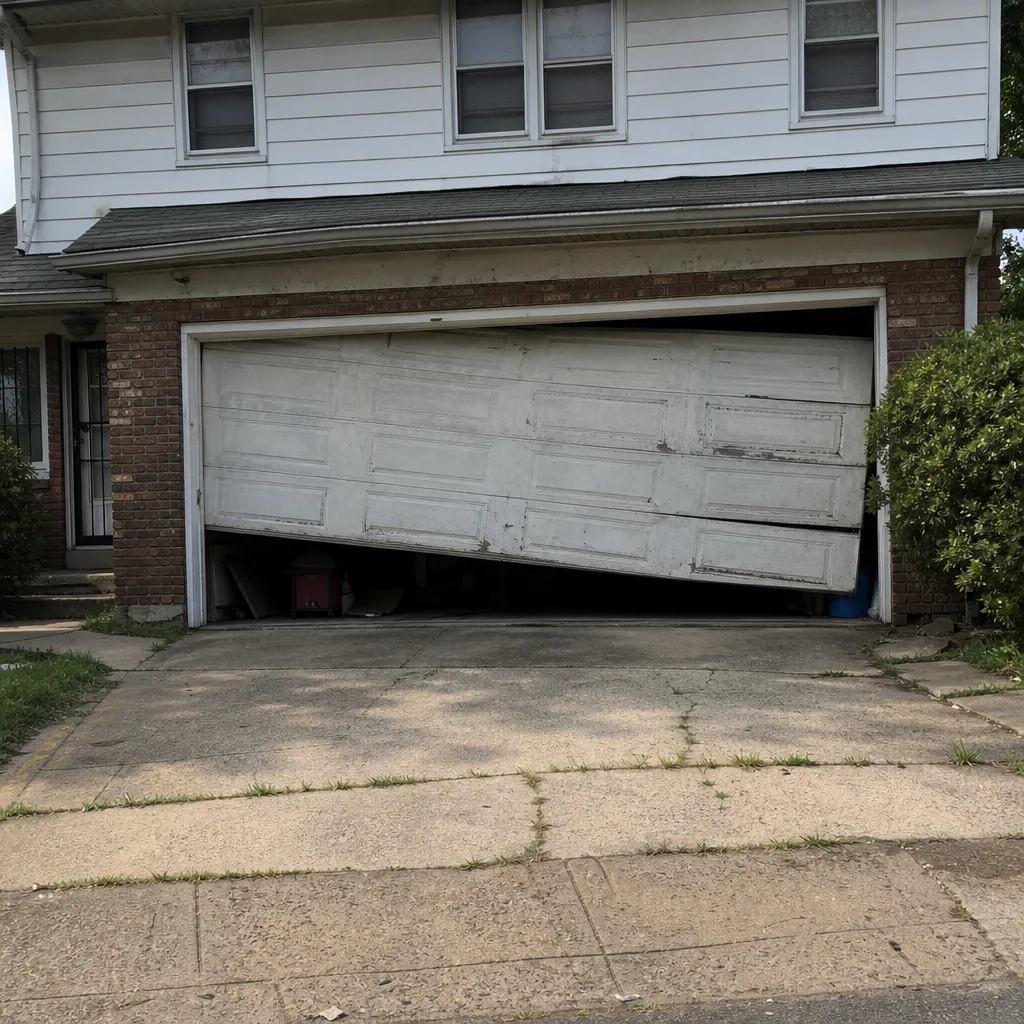 Before
 After
 Before
 After
 Before
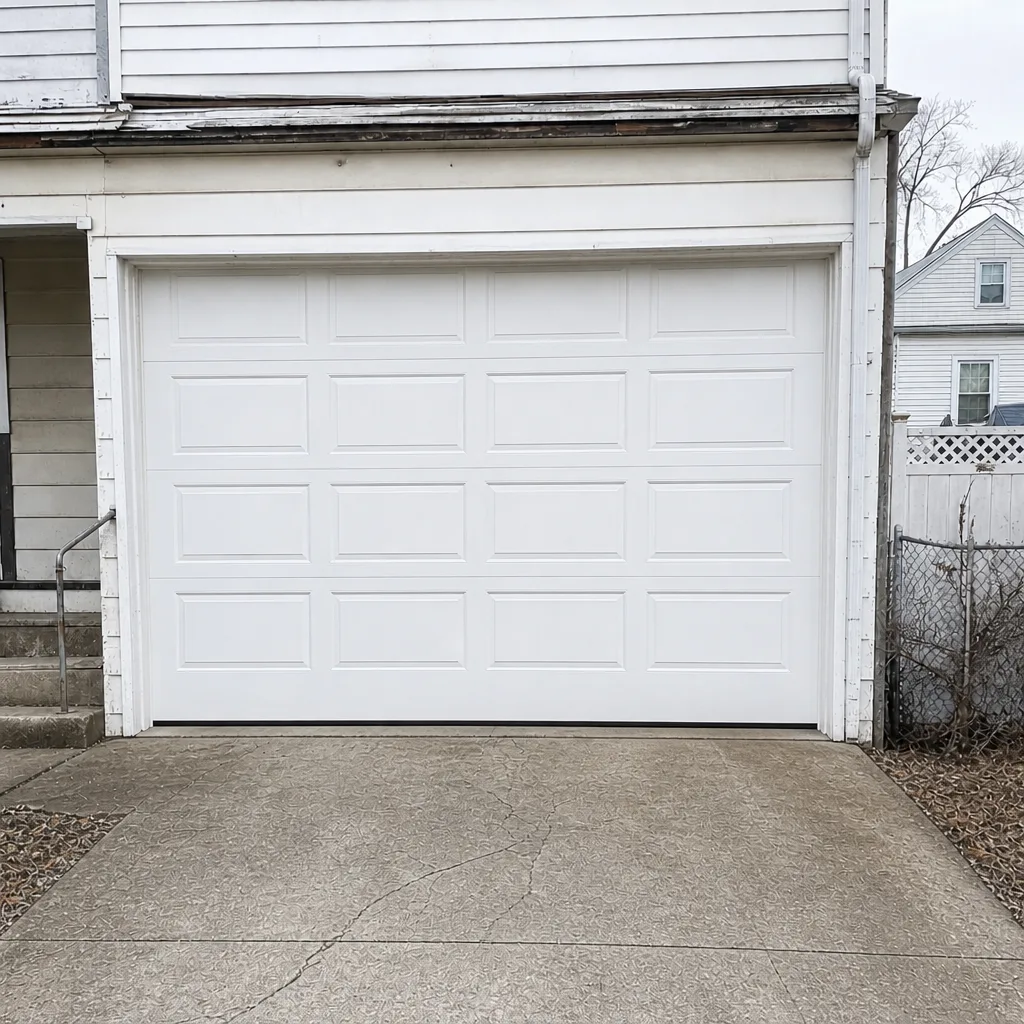 After
How Should Paterson Homeowners Decide, Task by Task?
The decision isn’t about whether you’re handy. It’s about matching the task to the risk. If your job is on the low-risk side of the list, doing it yourself is a reasonable choice, and we’d rather you know that than feel pressured into a call. If it’s a spring, a cable, or a drum, the risk is high enough that the professional route is the better decision even for a capable homeowner.
For Lancaster Garage Door Service, the work we’d most encourage you to hand off is the work that can hurt you. That’s also the work where a licensed and insured technician brings the most value. If you’re unsure where your job falls, that uncertainty is worth resolving before you start.
Common Mistakes to Avoid
- Treating every task the same. The biggest mistake is assuming that if you can fix a seal, you can fix a spring. They’re not comparable risks. Separate the tasks before you decide.
- Using a screwdriver as a winding bar. This is the classic spring injury. The tool is the wrong shape and can slip out. If you don’t have the proper bars, don’t start the job.
- Skipping the safety sensor and force test on opener installs. Mounting the opener is the easy part. The calibration is what keeps it safe. Test the reversal before you trust it.
- Buying the wrong bottom seal profile. The seal has to match your door’s channel. The wrong one won’t seat and will pull loose in a season. Measure before you buy.
- Ignoring how Paterson’s climate stresses hardware. The hot summers and cold winters we get here work on cables and seals faster than homeowners expect. Check hardware seasonally, not just when it fails.
- Assuming the DIY savings always hold. A failed attempt often costs more than the original repair. Count the downside before you count the savings.
- Forgetting the door is a system. Springs, cables, drums, rollers, and tracks all depend on each other. Changing one without checking the others can undo the repair.
When to Call a Professional
Call a professional when the task involves a spring, a cable, a drum, or a full replacement. Call when the door binds, jerks, or comes off its track. Call when you’ve installed an opener and can’t get it to calibrate correctly, or when the safety reversal fails. Call when the door is older and you’re not sure the hardware can take another DIY adjustment. In each of these cases, the risk or the complexity is high enough that the professional route is the sensible one.
If you’re in Paterson and you’d rather have a trained eye look before you commit to a repair, we can help. We work on systems from brands like LiftMaster, Chamberlain, Genie, Clopay, Amarr, Wayne Dalton, Craftsman, and Raynor, so we know what actually fails on the door and opener you have, not a generic system. Lancaster Garage Door Service offers free estimates in Paterson. Call (844) 902-2470. We answer 24/7. Fast dispatch from 7am to 7pm, Sunday through Friday.
Frequently Asked Questions
No. Replacing a torsion spring is not a safe DIY task because the spring stores enough energy that releasing it without proper tools and training can cause serious injury. The correct winding bars, the right spring size, and balance testing are what keep the job safe. Call (844) 902-2470 for a free estimate instead.
DIY is usually cheaper for weatherstripping because the parts cost is modest and the task is low-risk. You’ll spend a few hours and a small amount on materials, and the savings are real but not large. If you’d rather not deal with it, call (844) 902-2470 for a free estimate.
The most likely cause is the force adjustment or the safety sensor alignment, both of which are the steps most often skipped in DIY installation. The opener is pushing against something it thinks is an obstruction, or the sensors are misaligned. Call (844) 902-2470 for a free estimate on diagnosing and correcting the calibration.
The parts are inexpensive, and the main cost is matching the correct profile to your door’s channel and installing it cleanly. Prices vary by seal type and door width, so we quote per job and agree the price before any work starts. Call (844) 902-2470. Estimates are free.
Yes. Craftsman and Raynor are among the brands we work on, alongside LiftMaster, Chamberlain, Genie, Clopay, Amarr, and Wayne Dalton. Older installed systems are common in Paterson, and we know their specific failure points. Call (844) 902-2470 for a free estimate.
A failed repair often leaves downstream damage, like a misaligned track or a stripped drum, that costs more to fix than the original job would have. The repair then covers both the original problem and the new damage. Call (844) 902-2470 for a free estimate before a DIY attempt makes it worse.
Yes. Our technicians are licensed and insured. If you’d like the details before booking, we’re glad to provide them when you call. Call (844) 902-2470. We answer 24/7. Fast dispatch from 7am to 7pm, Sunday through Friday.
The Bottom Line
The DIY decision for a garage door isn’t one question, it’s a series of them, and the answer depends on which task you’re facing. Weatherstripping and bottom seals are realistic DIY projects for a careful homeowner. Torsion springs and cables are not, because the stored energy they carry makes a mistake genuinely dangerous. Opener installation is a gray zone where the mounting is manageable but the safety calibration usually isn’t. In Paterson, the climate adds its own stress to cables and seals, so hardware needs attention more often than homeowners expect. Match the task to the risk, hand off the high-risk work, and the door stays safe and functional.
Whether your door won’t open, your opener is grinding, or it’s time for a full replacement, one call covers all of it. Learn more about our garage door repair and explore the ways we serve Paterson. Call (844) 902-2470 for a free estimate. We answer 24/7. Fast dispatch from 7am to 7pm, Sunday through Friday.
Written by the team at Lancaster Garage Door Service.