
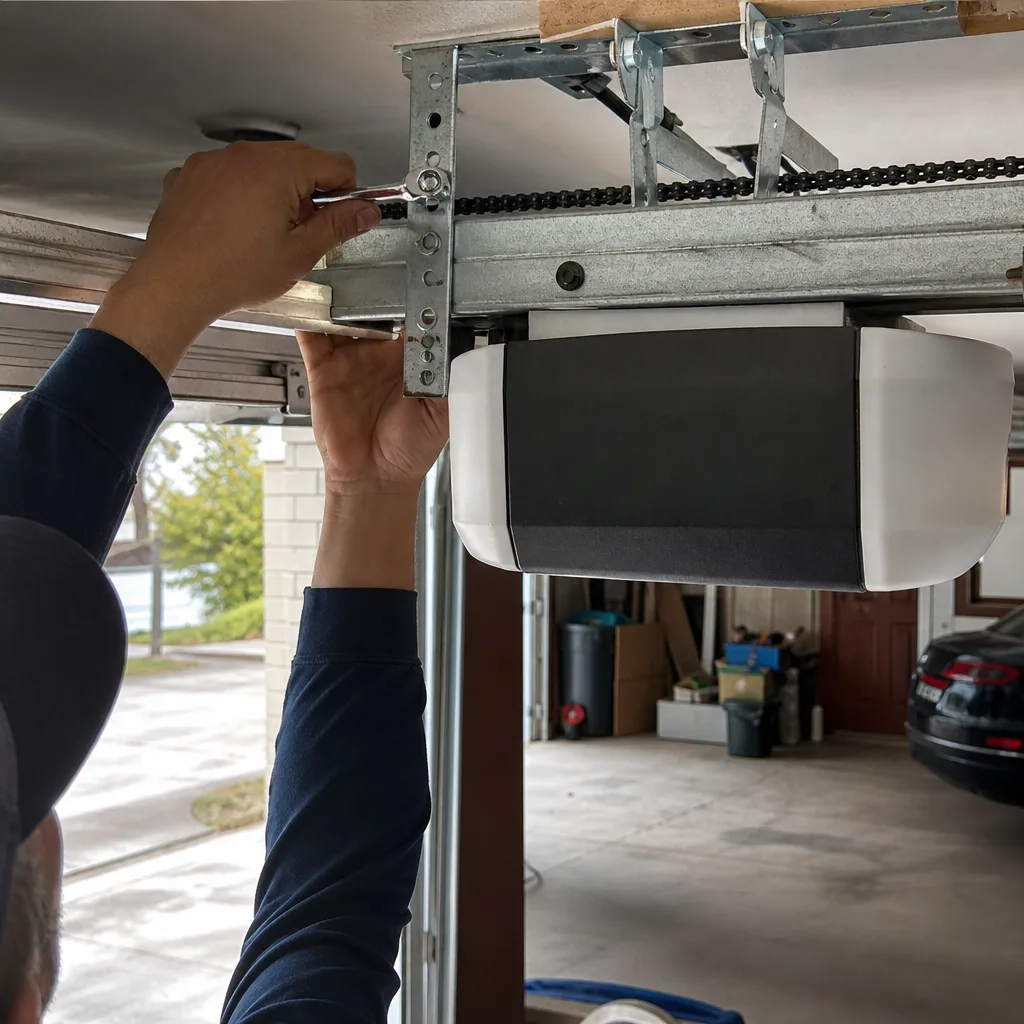
Last updated November 15, 2026
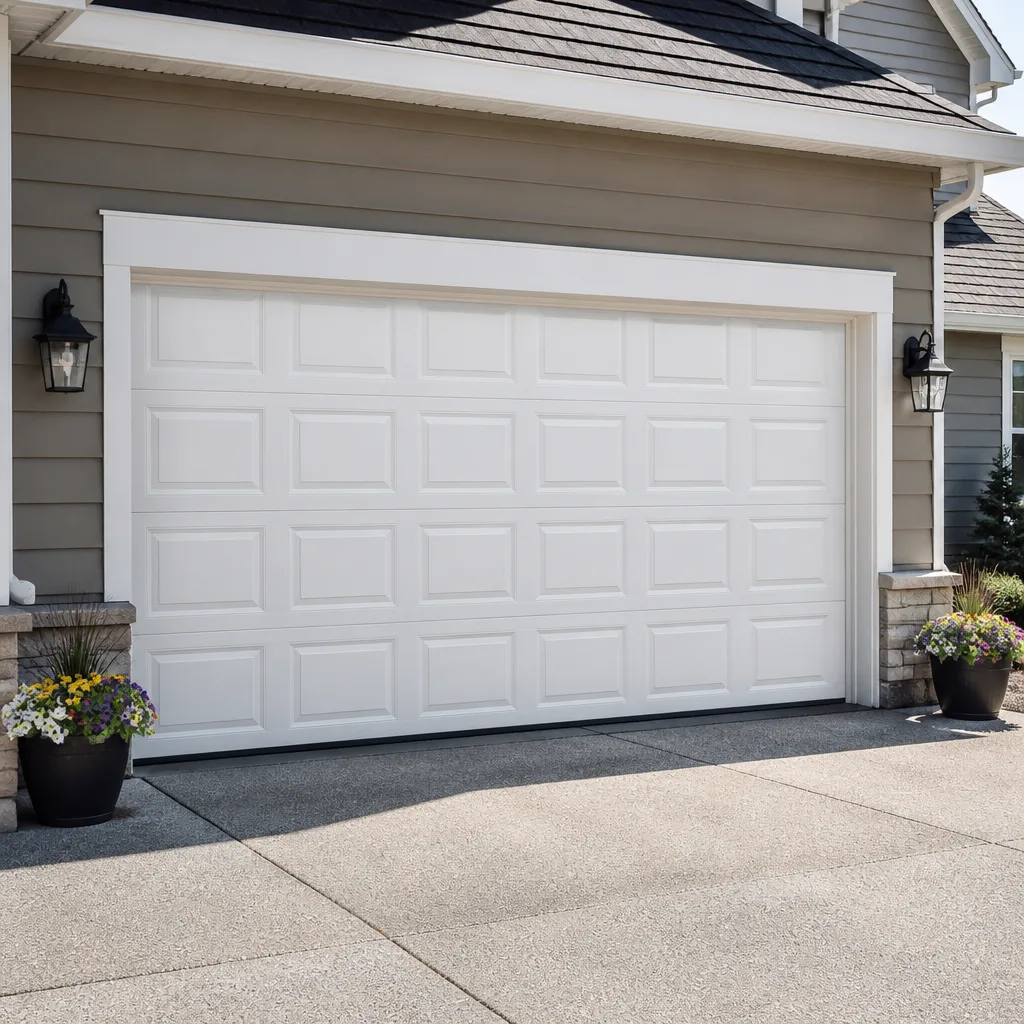 Raised-panel steel
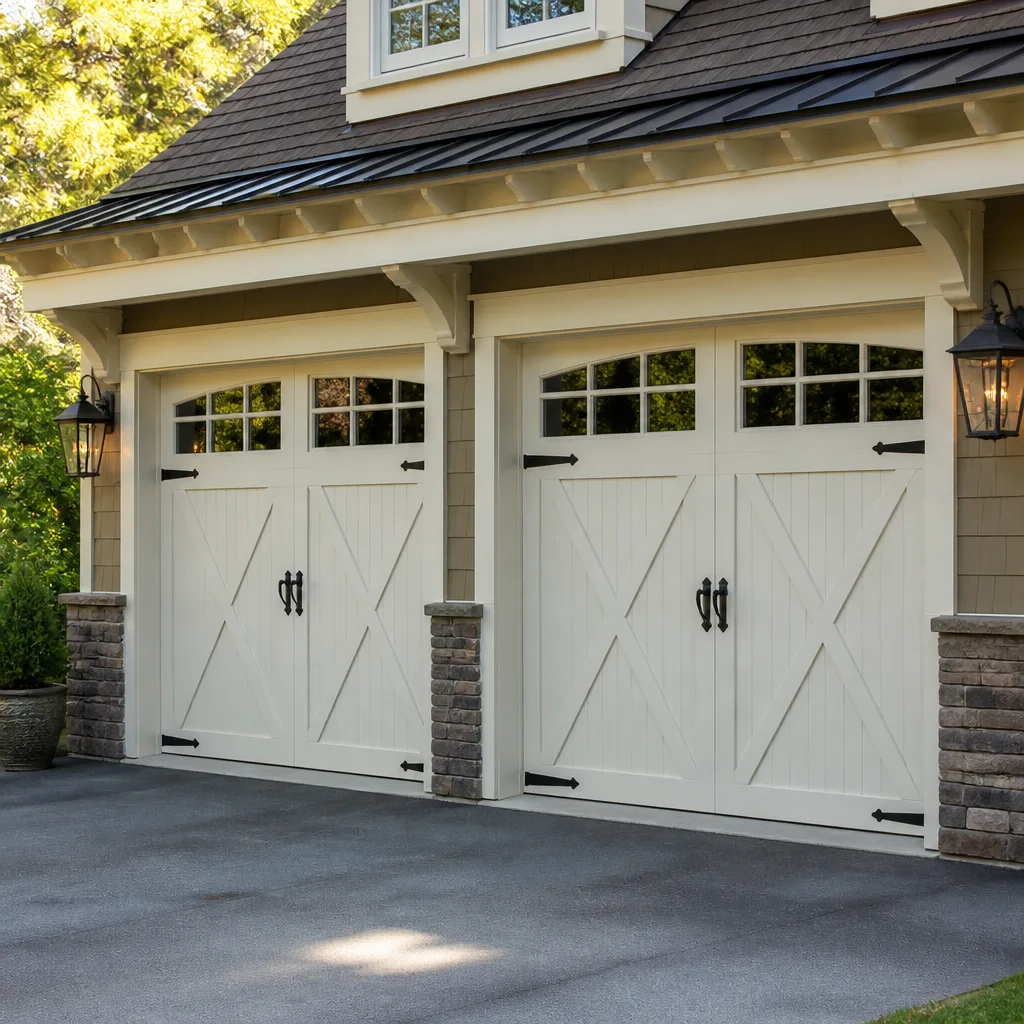 Carriage house
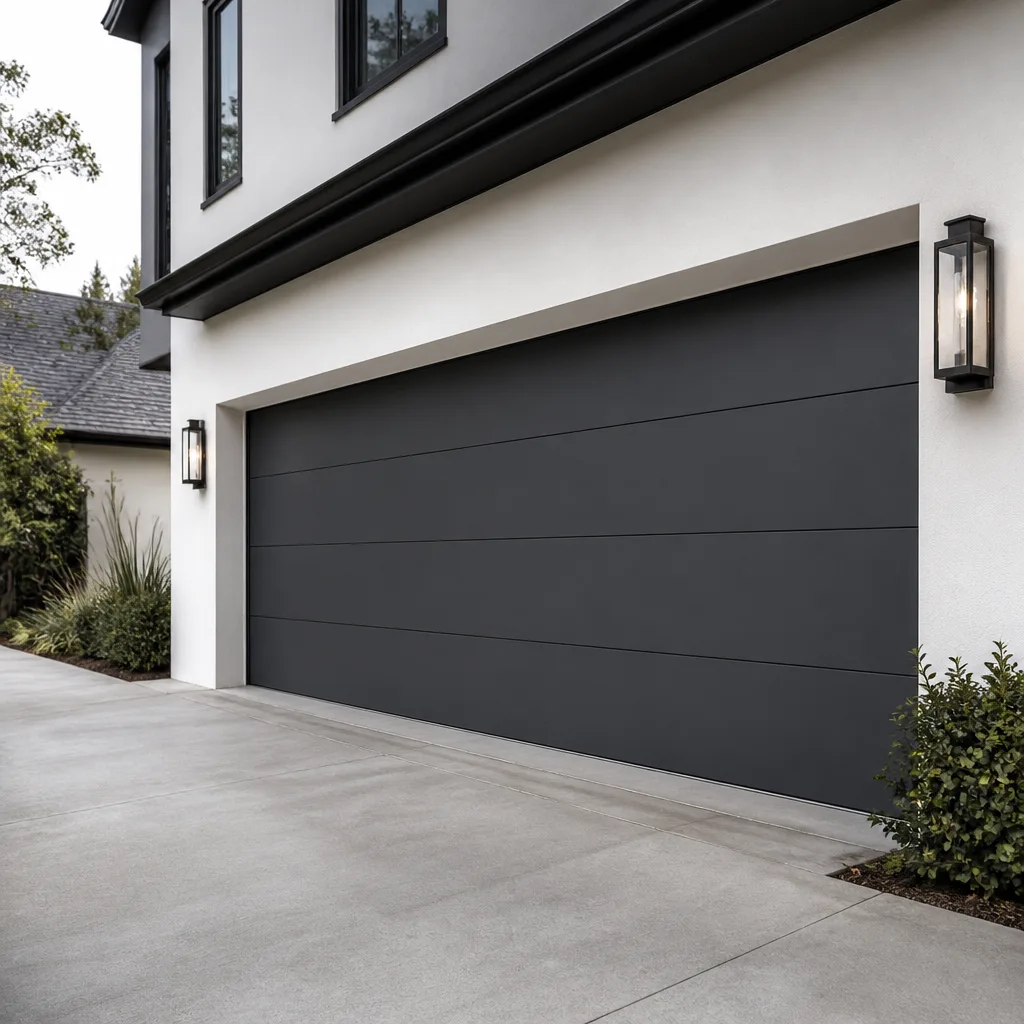 Modern flush
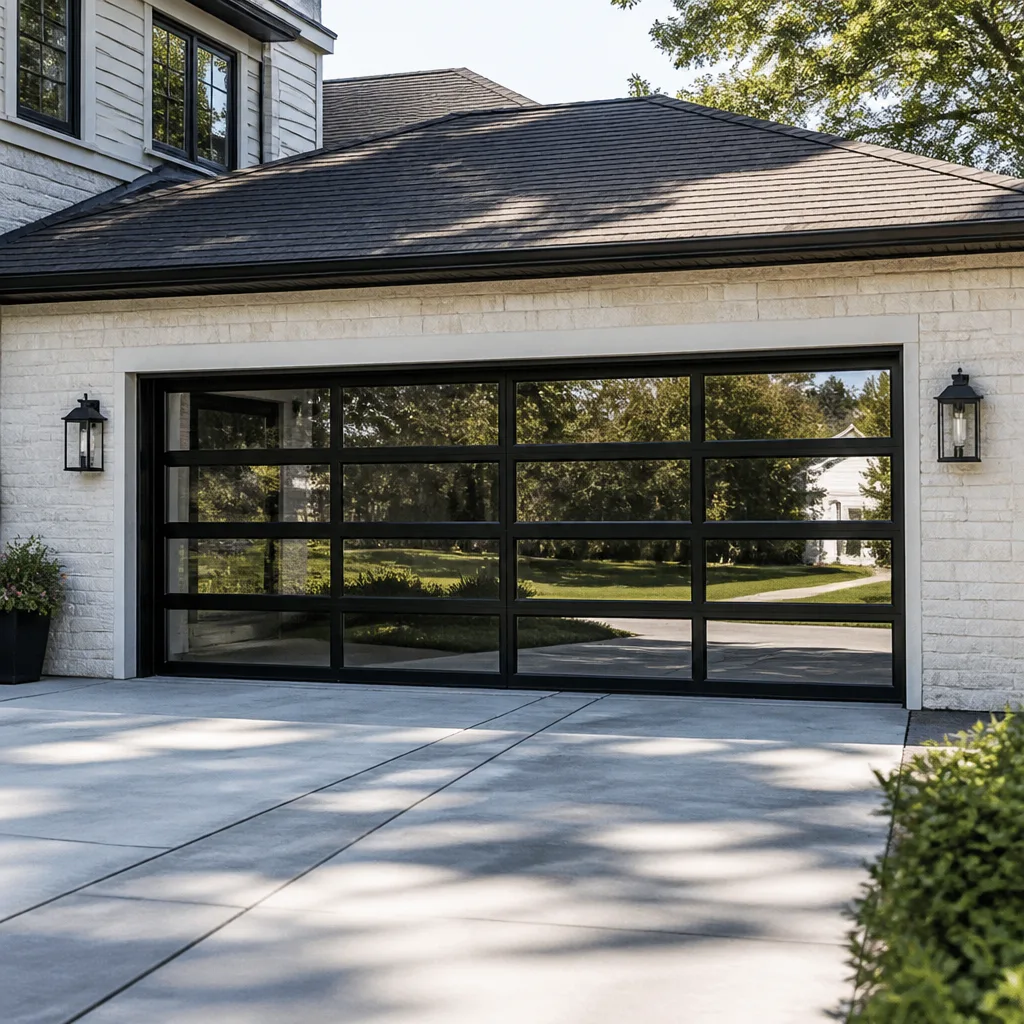 Full-view glass
 LiftMaster openers
 Chamberlain openers
Full 25-point door and opener safety check with every visit - springs, cables, rollers, tracks, and your LiftMaster or Chamberlain opener included
You get a price before we start. It does not change when the pro arrives.
Get your free estimateGarage Door Repair Maintenance Checklist for Paterson Homeowners
The most common avoidable garage door service call we see in Paterson doesn’t come from a homeowner who ignored the door for 14 years. It comes from someone who paid attention and did the wrong thing. Generic online advice treats every door the same, so people spray lubricant into nylon rollers that need to stay dry, or coat their tracks in grease and wonder why the door drags. A torsion system is not an extension system, and a steel Clopay door on a track is not a wood door on a jamb. This guide splits every maintenance task into what you can safely handle and what belongs to a technician, with a plain explanation of where that line sits and why it’s there. You’ll also get real product guidance, an honest balance test, and a log you can hand to any technician so they aren’t starting cold.
Quick Answer
A proper garage door maintenance checklist in Paterson covers three tiers: owner-safe inspections (weatherstripping, bottom seal, visual cable check, hardware tightness), owner-safe lubrication (white lithium on rollers and hinges, silicone on weatherstripping, nothing on the tracks), and technician-only work (spring adjustment and replacement, cable replacement, track realignment, and any opener diagnostics). Most doors need the owner-safe tier monthly and a trained technician’s eyes once a year. The old count of 14 years since this company was founded is not relevant to you.
Styles & brands we work with
- Raised-panel steel
- Carriage house
- Modern flush
- Full-view glass
- LiftMaster openers
- Chamberlain openers
Table of Contents
- How We Organize This Checklist (and Why Most Don’t)
- Owner-Safe Inspections You Can Do This Weekend
- The Lubrication Map: What Gets What, and What Gets Nothing
- The Balance Test and What It Actually Tells You
- Technician-Only Tasks: Where the Line Is and Why
- Paterson-Specific Maintenance Timing
- Building a Maintenance Log Any Technician Can Use
- Common Mistakes to Avoid
How We Organize This Checklist (and Why Most Don’t)
Most checklists are a flat list of ten items. Adjust the springs, lubricate the rollers, clean the tracks, test the safety reverse. That structure assumes a homeowner and a technician have the same tools, the same training, and the same risk tolerance. They don’t. A torsion spring under tension holds enough stored force to break a bone or worse if released the wrong way, and that risk doesn’t change because a list put the item next to “vacuum the threshold.”
So we organize differently. Every task on this list falls into one of three tiers:
- Tier 1: Owner-safe inspection and light maintenance. Nothing here involves stored mechanical energy. You look, you listen, you clean, you check fasteners by hand. If something looks wrong, you stop and write it down.
- Tier 2: Owner-safe lubrication. Applying the right product to the right component, with the specific caveat that some parts should get absolutely nothing. More on this below, because it’s where most people go wrong.
- Tier 3: Technician-only work. Springs, cables, tracks, and anything that requires the door’s stored energy to be managed or released. This is not a skill-gate to sell you a service. It’s a physical safety line.
A torsion spring system and an extension spring system fail differently, wear differently, and require different skills to inspect safely. Paterson’s housing stock includes doors of both types across neighborhoods from Totowa to Sandy Hill. When you know which one you have, the whole checklist becomes clearer. If you’re not sure which system is on your door, that’s a great question to ask during a service visit, and it’s the first thing any experienced technician checks.
If you ever want a full walkthrough, we offer Lancaster Garage Door Service as the starting point for everything in this guide, and our team handles the full door lifecycle, from repair to full replacement.
Owner-Safe Inspections You Can Do This Weekend
None of these tasks require you to adjust, loosen, or remove anything structural. They’re what we call “look and listen” checks: fast, repeatable, and safe. Do them once a month, and take five minutes.
- Close the door and look at the bottom seal. A cracked or flattened bottom seal lets in rain, cold air, and small pests. Run your hand along the bottom edge; if you feel gaps, splits, or a seal that’s stiff to the touch, note it. Bottom seals are a genuine owner-safe replacement on most residential doors, and they’re inexpensive.
- Check the weatherstripping around the jambs. Look at the vertical strips on each side. Are they intact, or are they torn and peeling? Push gently and see if they spring back. Flattened weatherstripping means air and water are already getting past it.
- Stand back and look at the tracks. Do not try to bend them back yourself. Just look. A track that’s clearly kinked, has a gap at a joint, or isn’t plumb against the jamb is a technician call. A track that’s just dusty is an owner-safe cleaning task (a damp rag, no solvent).
- Run the door and listen. A door in good shape is quiet and even. A door that grinds, scrapes, or hesitates is telling you something. Write down when it happens: on opening, on closing, near the top of travel, or at the beginning.
- Visual cable check. Look at the two cables running alongside the door. You’re looking for fraying, kinks, or a steel cable with any bird-caging at the drum. Do not touch them under tension. If you see wear, call. Cable replacement is not a homeowner task.
- Hand-tighten loose bolts on the door face. Hinges, brackets, and roller hinges are held by bolts you can check with a wrench. If a bolt turns, snug it up. If a bolt won’t hold, the hole may be stripped, and that’s a repair, not a tightening.
- Test the photo-eye safety sensors. Close the door manually with the opener and interrupt the safety beam with your foot. A properly working system reverses. If it doesn’t, stop using the door and call for service; that safety reverse is the one feature that protects anyone walking under the door.
That’s almost the entire owner-safe tier. None of it takes more than twenty minutes. If you’re seeing something in the inspection that concerns you, the next section on lubrication is where most homeowners either save a service call or cause one.
The Lubrication Map: What Gets What, and What Gets Nothing
This is the section we wish every homeowner would read. Lubrication is the single most misunderstood part of garage door maintenance, and it’s where bad advice does real damage. The general advice out there, “lubricate your garage door,” is so broad that people grease the tracks, spray the weatherstripping, and expect the door to run smoothly. It doesn’t, and now they need a service visit they didn’t need a week ago.
Here is what we use, part by part.
Rollers: White Lithium Grease
White lithium grease is the right product for steel rollers and for the bearing area of nylon rollers. Lithium grease is thermally stable and sticks where you spray it without running off. If you have a Clopay or Amarr door with steel rollers, a light spray on each roller’s bearing is enough. Do not saturate the roller head. A thin coat is what’s needed. Too much grease attracts grit, and grit is the enemy of smooth rolling.
Hinges and Bearing Plates: White Lithium Grease
Hinges and bearing plates are also excellent targets for white lithium grease. A quick spray on each hinge pivot gets quieter running and slows wear. If you have an older Wayne Dalton door, the hinges may be original and slightly worn; a little lithium grease helps them stay functional even as they age.
Weatherstripping: Silicone Spray, Never Oil or Grease
Silicone is the correct lubricant for weatherstripping because it’s compatible with rubber and vinyl, doesn’t degrade them, and doesn’t collect dirt. Apply a light coat with a clean rag, wipe off the excess, and you’ll get a season of flexibility. Never use oil-based lubricants on weatherstripping. They cause the rubber to swell and break down. If you’re using a generic spray that doesn’t say “silicone,” don’t put it on the stripping.
Tracks: Absolutely Nothing
This is the critical rule. Never lubricate the tracks. Tracks are designed to be dry. The rollers roll on steel or nylon bearings, and they need contact with a dry rail to track correctly. Lubricating the tracks causes the rollers to slip, which leads to uneven travel, premature side wear, and a door that never rolls quite right. If your tracks feel rough or squeal, they need to be cleaned with a dry cloth, not greased.
Springs: Licensed Technician Only, No DIY Lubrication
Some manufacturers recommend applying a small amount of oil to torsion springs to slow corrosion, but this should only be done by a technician with the door at the correct tension and the springs fully secured. Doing this yourself is out of scope for a homeowner. It’s not worth the risk.
Brand-Agnostic Product Guidance
You don’t need a specialty manufacturer for this. Any white lithium grease in a spray can, any silicone spray sold at a hardware store, and a clean rag is what you need. You do not need a “garage door specific” product. You need the right type, used on the right part. That’s the whole game.
The Balance Test and What It Actually Tells You
A balance test sounds like an advanced maintenance step. It’s actually straightforward, and its real value is in what it tells you about your springs before they’ve visibly failed. Here’s how it works, mechanically.
- Start with the door closed and disengage the opener if you can (pull the red release cord, or the equivalent on your opener, and move the door by hand only).
- Raise the door by hand roughly halfway. Gently let go. Do not force it.
- Now observe. A well-balanced door stays close to that half-open position, moving neither up nor down much at all. A door that drops means the springs aren’t holding their share of the load anymore. A door that drifts upward means the springs are over-tensioned.
- Make a note of which way the door drifts, and how far. Repeat once to be sure, then stop. Do not chase the test repeatedly or hold the door mid-air.
A torsion spring is calibrated to support the door’s weight at every point of travel. When the door is heavier than the springs expect, the door falls instead of staying put. That’s the test. It’s not magic; it’s a weight-vs-spring-force observation, and the direction of the drift (down vs up) tells a technician which side of the balance is off. That’s why we prefer to ask “which way did it drift?” rather than “does it stay halfway?” The direction is the data.
Also: never adjust spring tension yourself. A torsion spring under tension can release stored energy very suddenly if you slip a winding bar, and that’s how serious injuries happen. If your balance test shows drift, note it, and call for garage door repair. That’s the safest move. We’ve seen doors that got a half-turn “just to get it to close,” and it always becomes a bigger repair later.
On an extension spring system, the same balance concept applies but the hardware is different, and the test looks different. Extension springs run along the sides of the door. If your door uses extension springs and you’re unsure of their condition, a visual inspection for stretch or deformation is the max you should do. Replacement and adjustment are technician work.
Technician-Only Tasks: Where the Line Is and Why
Some things are not homeowner tasks. If you remember nothing else from this guide, remember this section. These are the jobs where a mistake can hurt you or someone else, and no amount of video watching changes the physics.
Spring Adjustment and Replacement
Both torsion springs and extension springs hold the full weight of the door. Adjusting or replacing them requires winding bars, proper technique, and an understanding of how to safely release the stored energy. Getting it wrong can result in a spring failure that sends metal across the garage. Our technicians have up to 14 years of experience with these systems, and we still use a controlled procedure every time. This is not a trade you learn from a five-minute video.
Cable Replacement
Cables are under tension and work directly with the springs. A cable that’s frayed or loose means the door’s safety is compromised. Cables must be replaced with the correct gauge and swaged correctly, not by wrapping or tying off. A cable failure can drop the door suddenly. If your visual cable inspection showed fraying, stop operating the door until it’s assessed.
Track Realignment
Tracks are the door’s guide rails. If a track is bent or out of plumb, it needs to be safely re-aligned while the door is supported. A homeowner trying to bend a steel track back into place, or worse, using a hammer, will usually make it worse and damage the door in the process. Track work is measured and corrected, not forced.
Opener Diagnostics and Repair
An opener is a drive system with a motor, control board, logic, and in most modern models, safety sensors and connectivity. When an opener grinds, tries to close and reverses, or stops midway, the cause could be in the drive gear, the travel limits, the sensor alignment, the control board, or the door’s balance itself. Correct diagnosis requires pulling the door’s balance and the opener’s behavior apart, which is one reason our team treats garage door opener repair as a dedicated service line, not a footnote under general repair. Brand matters here, too. LiftMaster and Chamberlain share a technology platform, and knowing which platform you have speeds up the entire diagnostic. Craftsman and Raynor models each have their own service conventions. Recognizing the model from experience is what shortens the visit.
Bottom Seal Replacement (a Brand-by-Brand Nuance)
Bottom seal replacement is often an owner-safe task, but there are exceptions. Doors from brands like Wayne Dalton may use a proprietary bottom seal profile that doesn’t work with generic replacement seals. If your door’s bottom seal doesn’t match a standard T-style or bulb-style profile, don’t force it. Call and ask which profile fits your model. This is a case where we’d rather you call and avoid a second trip.
Paterson-Specific Maintenance Timing
Timing matters. The calendar of a garage door in Paterson is not the calendar of a door in, say, Phoenix. The local environment puts specific stresses on specific components, and knowing them makes maintenance smarter.
The Freeze-Thaw Cycle and the Bottom Seal
Paterson sits in a climate that gets both hard freezes and thaws in the same season, sometimes the same week. That freeze-thaw cycle is hard on rubber. The bottom seal is the most exposed rubber on any garage door, and it takes the temperature swings directly. Each freeze makes the rubber stiffer; each thaw relaxes it back. The cumulative effect is a seal that cracks earlier than a homeowner expects. Inspect the bottom seal closely in late fall, before winter, and then again in early spring, after the worst of the freeze-thaw cycle is over. Those are the two moments when a failing seal is easiest to spot.
The Passaic River and Urban Particulate
Paterson’s geography and built environment both matter here. The proximity to the Passaic River means more atmospheric moisture in the air year-round than you’ll see a few miles inland. That moisture is not salt air (we’re inland, not on the coast), but it is enough to keep steel components just slightly more prone to wear and corrosion. On top of that, Paterson is a dense urban environment. Urban particulate – dust, fine grit, and the general airborne debris of a busy city – finds its way into garage door mechanisms, and that is the number one accelerant for roller wear. Rollers that would last for years in a suburban setting with less airborne debris wear faster in Paterson’s urban core, particularly on doors facing the busiest streets.
What does this mean in practice? Clean your tracks monthly with a damp cloth (not a lubricated one), wipe down the rollers periodically, and don’t skip the visual inspections. Dust and grit are the reason those inspections matter. If your Clopay or Amarr door is on a busy block, add a light lithium wipe to the rollers more frequently than you would on a quiet street.
A Simple Paterson Maintenance Calendar
- Monthly: Run the owner-safe inspection list and clean the tracks with a dry or slightly damp cloth.
- Late fall: Inspect weatherstripping and bottom seal closely; apply silicone to weatherstripping; check roller lubrication.
- Early spring: Repeat the bottom-seal inspection; check roller lubrication and hardware tightness; note any balance-test drift in your log.
- Every dry season: Do a fuller balance test and write down the result. If the door drifts, stop.
- Annually: Book a trained technician for a full inspection. No need to overdo it; once a year is the standard cadence for a door in active use.
One more local note: Paterson has a mix of older housing stock and newer construction, and the doors on those homes are not uniformly modern. A door from a 1950s or 1960s build may still have an original Wayne Dalton or Craftsman opener, and those need different diagnostic attention than a modern LiftMaster or Chamberlain myQ system. If you aren’t sure what you have, that’s fine. When you call, ask; if you’re in Paterson, we know the local door inventory and we know which brands show up in which part of the city. You can find more context on our Paterson page.
Building a Maintenance Log Any Technician Can Use
The single best thing you can do for your door’s long-term health is write things down. Not for the door’s sake. For the next technician’s. When a professional shows up to a door they’ve never touched, the first thing they do is try to figure out what’s been done and when. If you have a log, they skip that step and get straight to diagnosing. It saves time, it saves money, and it reduces the chance of the same part being replaced twice.
Keep a simple sheet anywhere easy to find: a note on a fridge, a page in a notebook, or a shared note on your phone. Here’s what to track:
- Date of every inspection or service (owner-performed or technician-performed).
- Component inspected or serviced (bottom seal, rollers, springs, cables, opener, etc.).
- What was found, in plain language, including any drift direction from the balance test.
- Parts replaced, with the part name and brand, if you know it. This matters on brand-specific components like bottom seals or rollers.
- Technician notes, plus the name of the service if you have a record of it.
- Any symptoms you’re tracking (“grinds when closing near the floor,” “opener reverses on cold mornings”) so patterns stand out.
A log is also a conversation tool. If you’re calling about garage door repair in Paterson, the technician can look at your notes and skip three diagnostic guesses. On a Clopay or Amarr door, the log lets us confirm which parts were already replaced and which are original, which is exactly the kind of brand-matched context that avoids repeating work. For our team, the difference between a five-minute visit and a twenty-minute one often comes down to the homeowner having notes.
If you don’t have a log yet, start one today, even if the first entry is just “started tracking.” It’s worth it.
Common Mistakes to Avoid
- Lubricating the tracks. This is the number one mistake. Tracks must stay dry. Greasing them causes slipping rollers, uneven travel, and premature wear. If your tracks are dirty, clean them; don’t grease them.
- Using a generic lubricant on weatherstripping. Oil-based sprays swell and degrade rubber. Stick to silicone, applied lightly with a rag.
- Forcing a stuck door instead of investigating. If the opener reverses on close and you keep trying it, you’re putting stress on the opener’s drive gear every cycle. Call for a look.
- Trusting a balance test that only ever gives you a yes/no. The direction of drift is the information you need. Write it down, then call.
- Adjusting spring tension yourself after watching a video. A quarter turn “just to get it to close” can turn a $180-ish spring job into a much bigger repair, and the injury risk is real.
- Assuming a bottom seal fits any door. Wayne Dalton doors in particular use proprietary seal profiles. If a generic seal doesn’t fit, don’t force it; a replacement that fits properly is cheaper than one you have to redo.
- Ignoring urban grit. In Paterson’s dense streets, airborne particulate accelerates roller wear. If you’re on a busy block, clean and re-lubricate the rollers more often than the generic once-a-year schedule suggests.
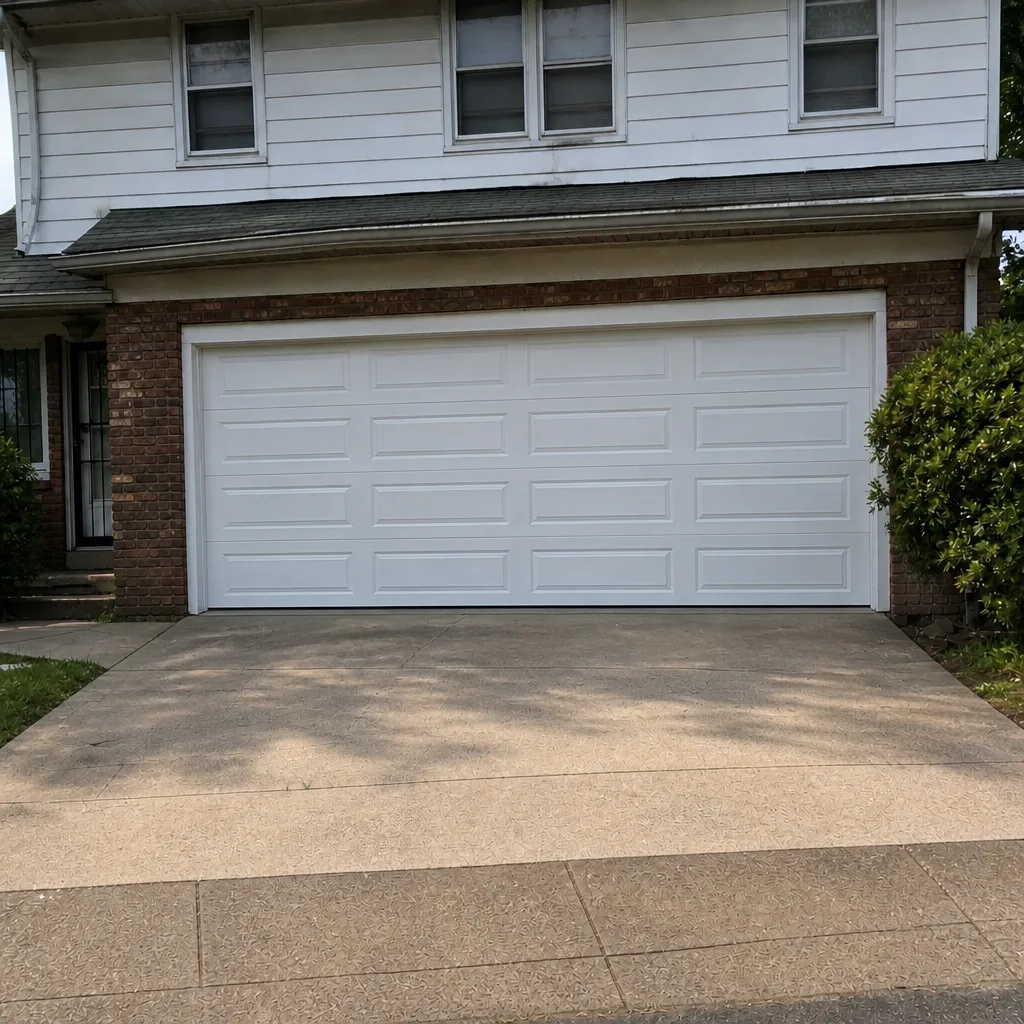
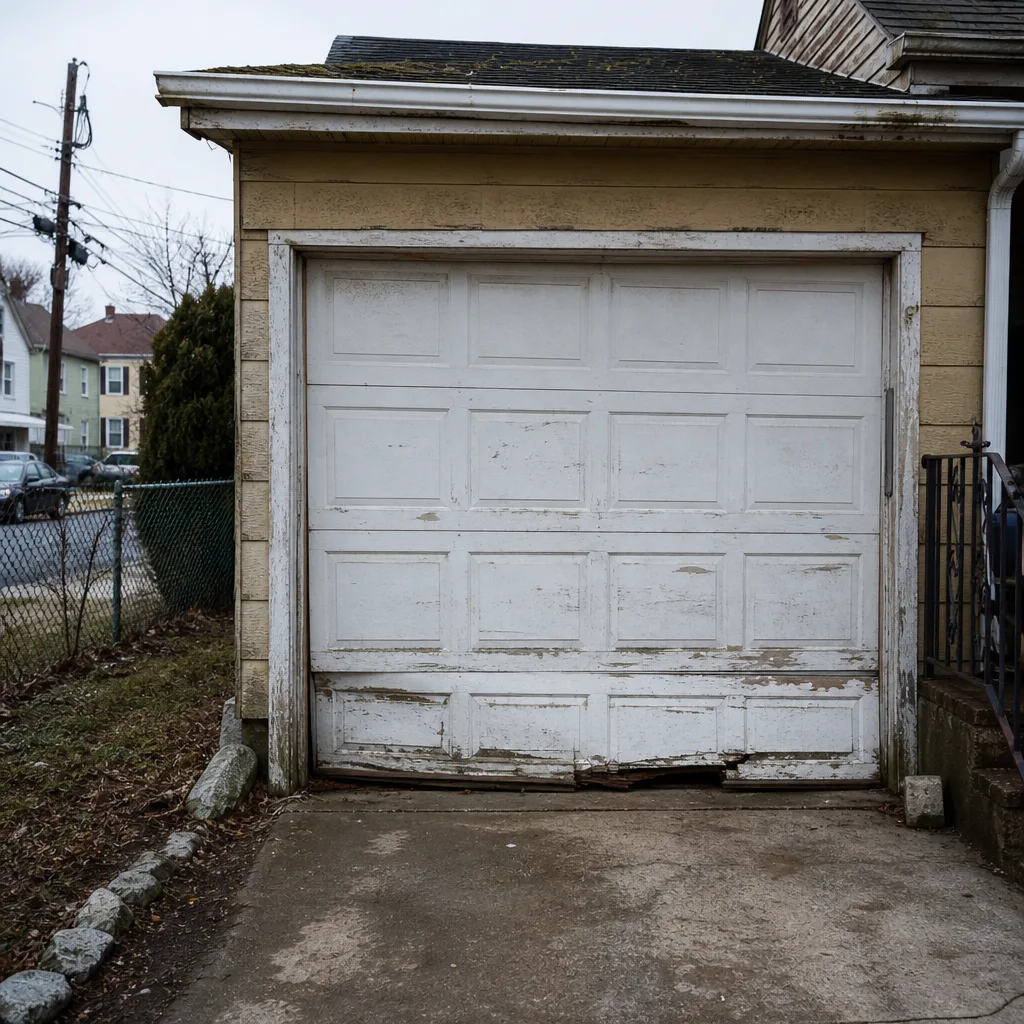
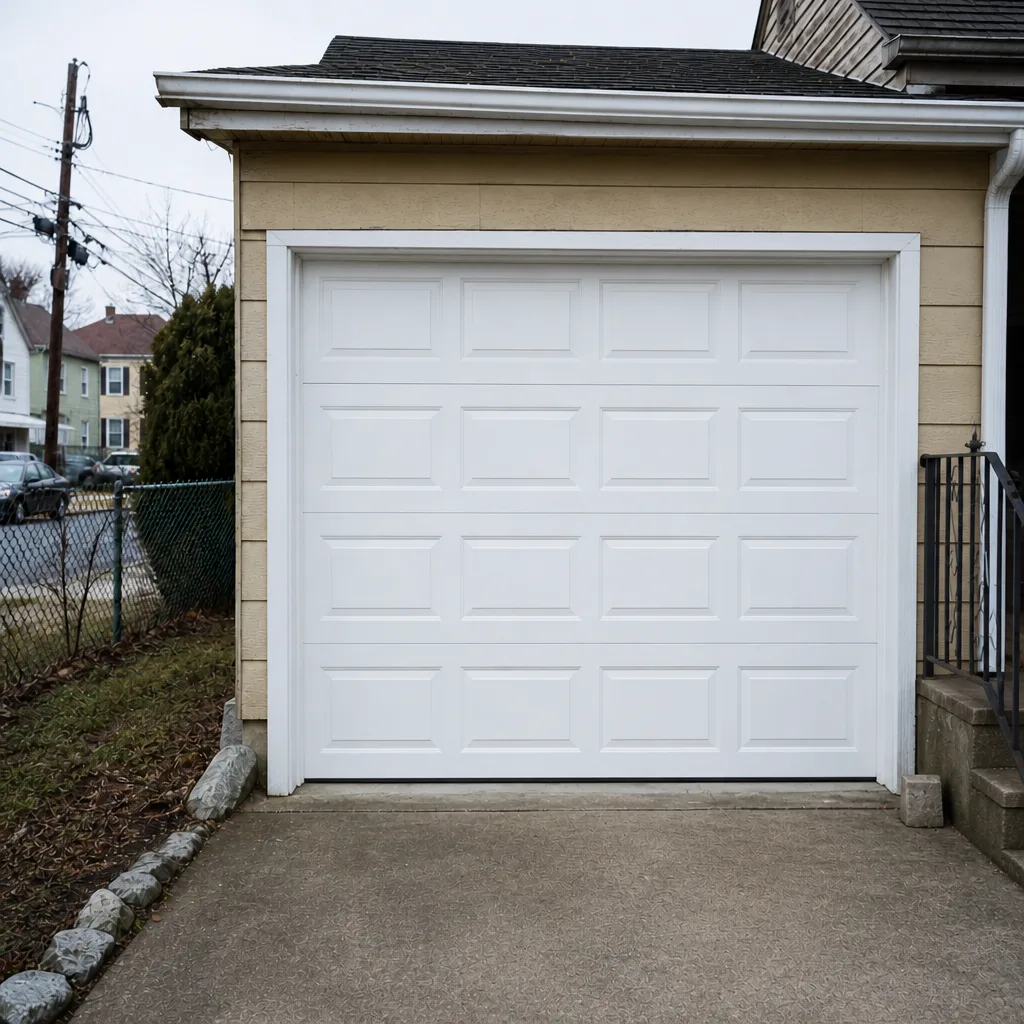
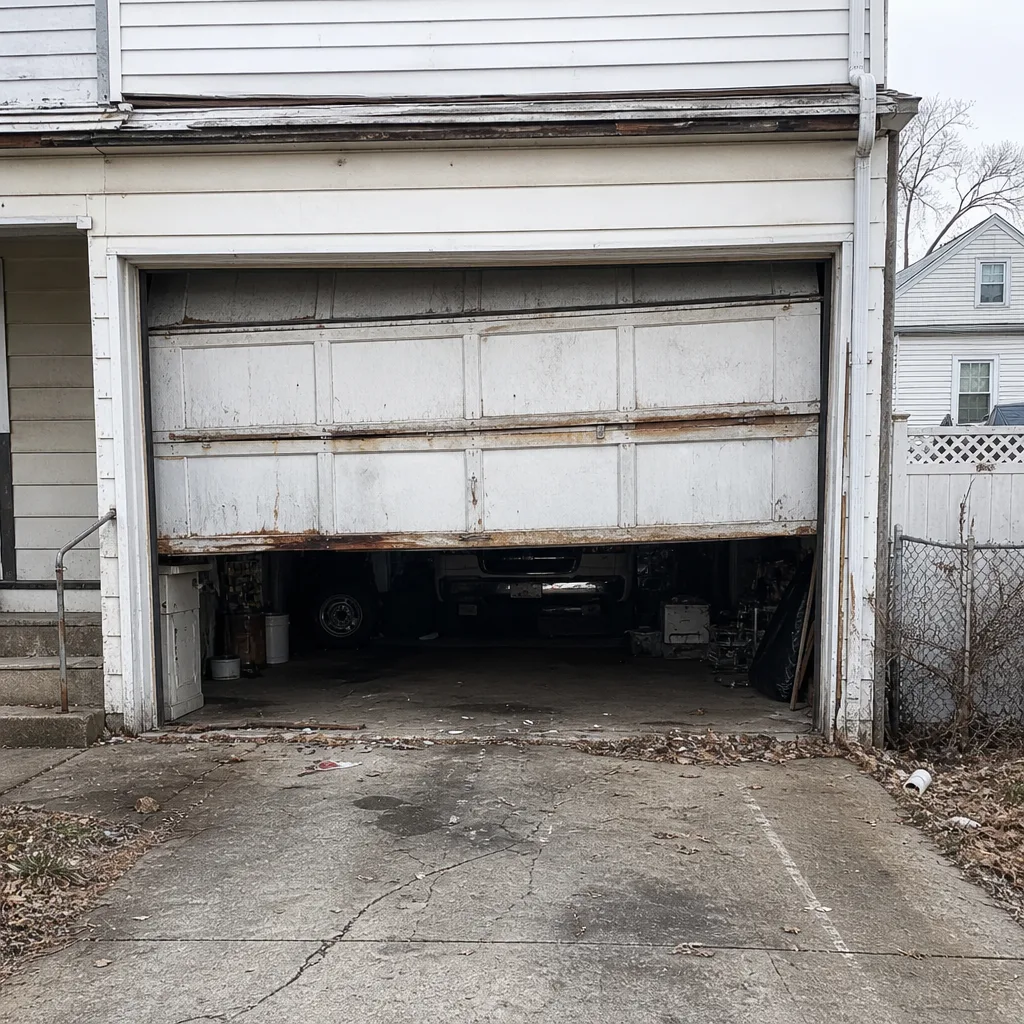
See the difference
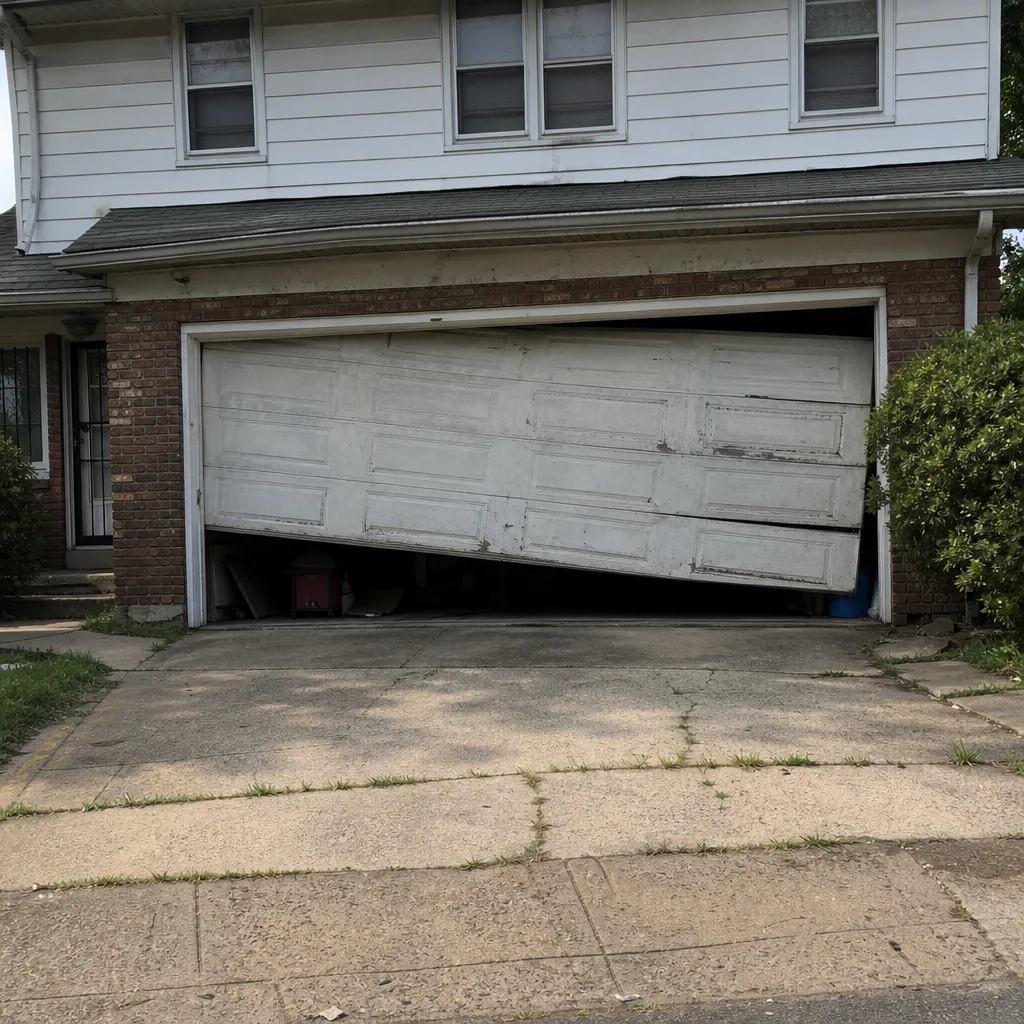 Before
 After
 Before
 After
 Before
 After
When to Call a Professional
Some situations don’t need a second opinion. If you see a frayed cable, a spring that has snapped or is visibly deformed, a track that’s bent or clearly out of plumb, or a balance test that drifts, stop and call. Don’t operate the door, don’t try to “test” it a few more times, and don’t ask a neighbor with a tool kit. Springs and cables store enough energy that they’re a genuine safety hazard. The same is true for opener diagnostics on a smart-home system like the LiftMaster/Chamberlain myQ ecosystem, where correct diagnosis depends on knowing the drive system, not just the door.
Lancaster Garage Door Service offers free estimates in Paterson. Call (844) 902-2470 for a straightforward assessment. We work on the brands you actually have: Clopay, Amarr, Wayne Dalton, Craftsman, LiftMaster, Chamberlain, Genie, and Raynor. No guesswork, no upselling, and no surprise after the fact. The estimate is free and the written quote is the price; nothing is charged or changed without agreeing to it first.
One note if your door is completely inoperable: we can often get someone out quickly, but the phone is the fastest path. Call us before trying to reset anything on your opener.
Frequently Asked Questions
Routine maintenance visits are typically priced per job by a written estimate after we’ve looked at the door, so cost depends on your door type and what’s needed. A basic inspection and lubrication is usually straightforward; spring wear or cable issues change the scope. Call (844) 902-2470 for a free estimate before any work starts, and we’ll give you the price in writing.
We can often get to a stuck door the same day, depending on what’s involved and the schedule. Call (844) 902-2470 to check availability. We answer 24/7, and a call outside dispatch hours is booked into the next opening, Sunday through Friday, 7am to 7pm. Fast dispatch from 7am to 7pm on a typical day.
No. The written estimate is the price. We quote before any work begins, and nothing changes without your agreement. If a spring is worse than expected or a cable turns out to be frayed, we tell you what the revised scope is before doing anything, and you decide.
Yes. Our technicians are state-licensed, insured and bonded, and they have up to 14 years of experience with torsion and extension spring systems. If you’d like to know more about how we handle a specific brand, we cover LiftMaster and Chamberlain, Clopay, Amarr, Wayne Dalton, Craftsman, Genie, and Raynor. Call (844) 902-2470 and we’ll answer questions.
White lithium grease and silicone spray. Nothing else. Lithium on the rollers, hinges, and bearing plates; silicone on weatherstripping; nothing on the tracks, ever. A spray can and a rag is what you need, and there’s no need to buy a specialty “garage door” product; standard lithium and silicone are fine. If a roller or weatherstrip issue goes beyond that, that’s a repair call. Call (844) 902-2470 if you’re not sure what’s normal.
Yes. The freeze-thaw cycle hardens and cracks bottom seals faster than a mild climate, and the humidity near the Passaic River keeps steel parts slightly more prone to wear. Urban air particulate speeds up roller wear on busy streets. That’s why we suggest inspecting the bottom seal in late fall and early spring, and add cleaning and roller lubrication more often than the generic annual schedule. Call (844) 902-2470 and we can talk through your specific door and street.
The Bottom Line
A garage door maintenance checklist in Paterson should split cleanly into what you can do and what requires a technician, and that split is where we should have started all along. Owner-safe work is inspections, bottom seal, weatherstripping, and lubrication done correctly: white lithium on the rollers and hinges, silicone on weatherstripping, nothing on the tracks. Technician-only work is spring adjustment, cable replacement, track realignment, and opener diagnostics, and those are the jobs where a trained hand is not just a preference but the safe path. Every door in Paterson has a specific history, and writing it down in a log helps any technician pick up where the last one left off. If a balance test shows drift or a cable looks frayed, stop and call us. You’ve got the checklist now; the rest is easier than you think.
Written by the team at Lancaster Garage Door Service.